
Pakistan EU Sign €65 Million Financing Agreements
September 23, 2026
PTA Seeks Spam Protection System for Official Emails
September 23, 2026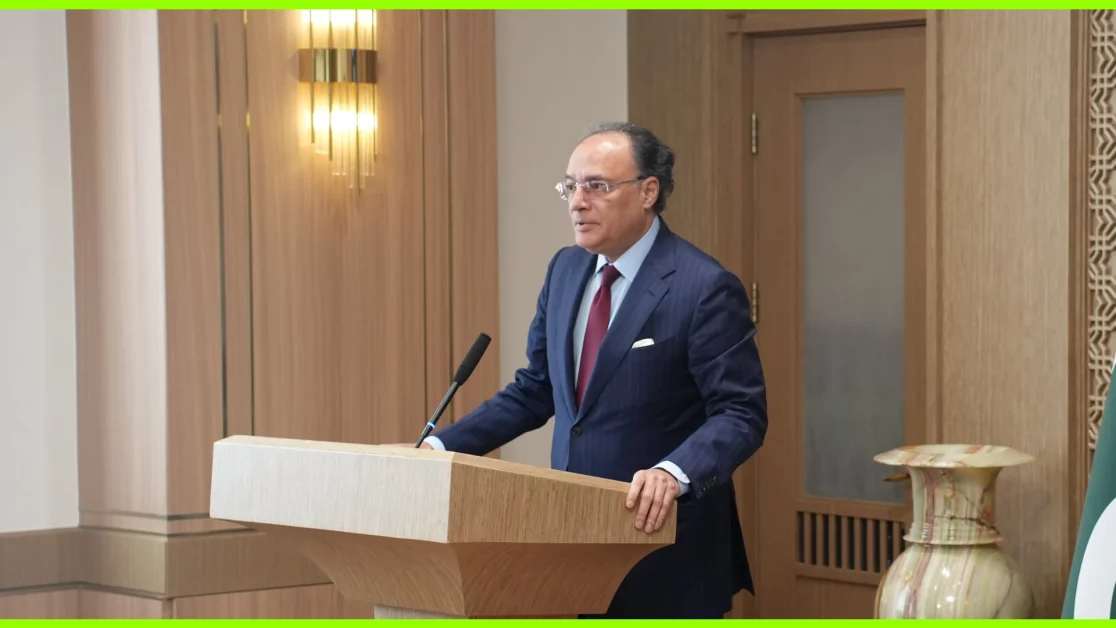
Finance Minister Muhammad Aurangzeb has stressed that Pakistan’s emerging virtual-assets framework should connect tokenization with remittances, SME financing, sovereign debt and financial inclusion.
Federal Minister for Finance and Revenue Senator Muhammad Aurangzeb has highlighted Pakistan’s move towards a regulated virtual-assets framework, calling for blockchain and tokenization initiatives to be linked to tangible economic needs.
Speaking at the opening session of “United Nations Digital Cooperation Day 2026 – Blockchain and the Tokenized Future: Sovereign Choices and Safeguards for Next-Gen DPI,” Aurangzeb said tokenization should deliver practical benefits across key areas of the economy.
He identified lower remittance costs, improved financing opportunities for small and medium-sized enterprises (SMEs), support for sovereign debt markets and wider access to financial services as potential areas where tokenization could address existing challenges.
The finance minister said technological innovation led by the private sector should operate alongside effective government safeguards. He also stressed the importance of building inclusive digital infrastructure to ensure the benefits of emerging financial technologies are accessible more broadly.
Aurangzeb further called for stronger international cooperation as countries develop policies governing blockchain, tokenized assets and next-generation digital public infrastructure.
He emphasized that emerging economies should have a meaningful role in developing international standards for these technologies, rather than simply adopting frameworks shaped by more advanced markets.
Pakistan’s evolving virtual-assets framework comes as governments and financial institutions globally examine how blockchain-based systems and tokenized assets can be incorporated into regulated financial and digital infrastructure.