
CCP Approves Pakistan Oxygen Plant Acquisition Deal
June 4, 2026
Pakistan Secures LNG Cargoes to Meet Demand
June 5, 2026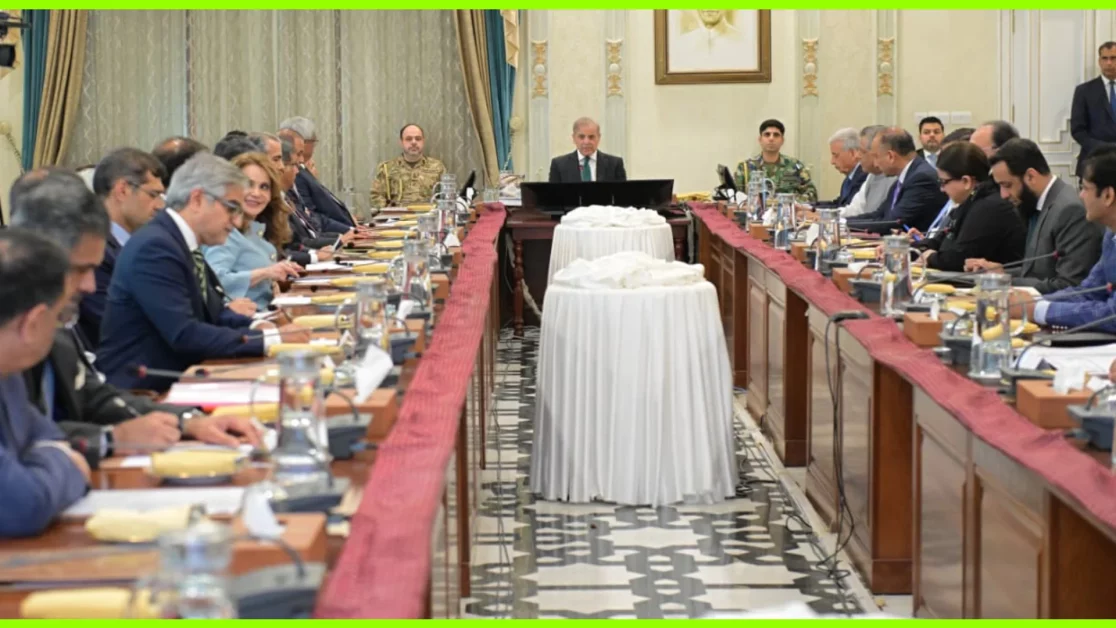
Prime Minister Shehbaz Sharif has said the government is preparing measures in the upcoming federal budget to bring Pakistan’s informal economy into the tax net, while reaffirming its commitment to export-led growth, business reforms, and economic stability.
Prime Minister Shehbaz Sharif has said the government is taking measures to bring Pakistan’s informal economy into the tax net through the upcoming federal budget, as part of broader efforts to strengthen economic growth, expand exports, and improve fiscal sustainability.
According to Dawn and Pakistan Today, the prime minister made the remarks during a meeting with a delegation of leading industrialists and businessmen in Islamabad, where discussions focused on the country’s economic outlook, budget priorities, and reforms aimed at supporting the private sector.
Addressing the delegation, Shehbaz described the business community as “ambassadors of Pakistan” and thanked them for supporting the government during challenging economic conditions. He stressed that a strong partnership between the public and private sectors was essential for sustainable economic growth and reiterated the government’s commitment to consulting stakeholders on key economic policies.
“We are on the path of export-led growth,” the prime minister said, adding that export expansion remains at the core of Pakistan’s economic strategy. He also informed participants that the upcoming budget would include measures aimed at documenting the informal economy and providing relief to the public.
According to the Prime Minister’s Office (PMO), Shehbaz said business-friendly policies had helped stabilise the economy and restore investor confidence. He outlined plans to support industries that increase domestic production, boost exports, and create employment opportunities.
The delegation was also briefed on a range of reforms and infrastructure initiatives, including changes to tax tribunals to expedite tax-related cases, the proposed establishment of special commercial courts, and projects aimed at improving transport and logistics connectivity. Officials highlighted ongoing work on the M-10 and M-13 motorways, upgrades to the ML-1 and ML-2 railway projects, and the development of a paperless freight corridor linked to Karachi’s ports.
On technology and innovation, participants were informed that a National AI Transformation Plan was under development, while the use of video analytics in the sugar and cement sectors had contributed to improved revenue collection.
Business leaders welcomed the government’s efforts to promote digital payments and a documented economy, while expressing support for tax reforms and measures aimed at improving the ease of doing business. They also appreciated reductions in electricity tariffs for industries, the abolition of the export development levy, and timely tax refund payments.
The delegation presented recommendations for the upcoming budget and pledged full cooperation with the government in advancing economic development, industrial growth, exports, and job creation.