

Sony PlayStation Ends Physical Game Discs by January 2028
July 3, 2026
Pakistan Invites Portuguese Investment to Expand Olive Industry
July 4, 2026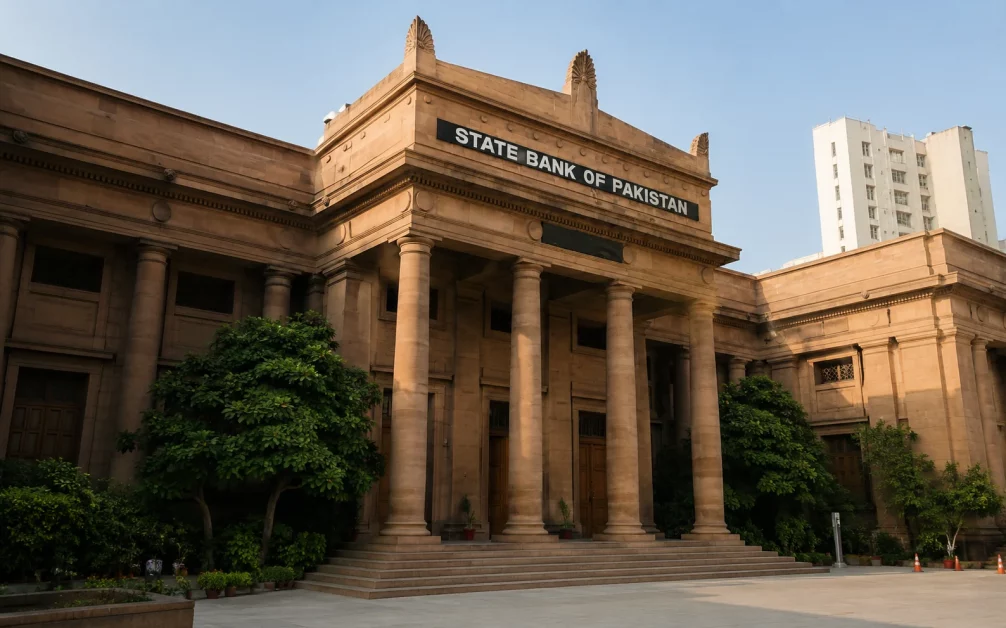
SBP has ended two remittance incentive schemes for banks but says eligible overseas remittance transfers will remain free for senders and recipients.
The State Bank of Pakistan (SBP) has brought an end to two remittance-related incentive programmes for financial institutions, marking a policy shift in how formal overseas money transfers will be supported going forward.
Through separate notifications, the central bank confirmed that the Sohni Dharti Remittance Programme (SDRP) and the Telegraphic Transfer Charges Incentive Scheme (TTCIS) ceased to operate from July 1, 2026. Despite the withdrawal of these incentives, eligible home remittances will continue to be processed without any transfer charges for overseas Pakistanis or their beneficiaries.
Under the revised arrangement, banks, authorised dealers, exchange companies and other participating institutions will no longer receive reimbursement payments previously provided by the central bank for facilitating qualifying remittance transactions. Instead, these institutions have been directed to continue offering the service while maintaining the scheme’s existing customer benefits.
The SBP also clarified the transition process for the Sohni Dharti Remittance Programme. Reward points earned on eligible transactions processed until June 30, 2026, will remain available for redemption until June 30, 2027, after which the programme will be formally closed.
Introduced to encourage overseas Pakistanis to send money through regulated financial channels, the Telegraphic Transfer Charges Incentive Scheme had enabled participating institutions to recover transfer costs while ensuring that remittance services remained free for customers. The latest decision removes that reimbursement mechanism without changing the zero-fee arrangement for users.
Although the central bank did not provide an official explanation for discontinuing the programmes, banking sector sources said the cost of maintaining the incentives had risen sharply as remittance volumes increased in recent years. They added that the expenditure had also attracted scrutiny during discussions with the International Monetary Fund (IMF).
Commenting on the development, Exchange Companies Association of Pakistan Chairman Malik Bostan said the decision was understandable but suggested that reducing the incentive level could have been considered instead of eliminating it altogether.
Industry officials noted that the Pakistan Remittance Initiative (PRI), another mechanism supporting formal remittance flows, remains unchanged.
Workers’ remittances continue to play a vital role in Pakistan’s economy by strengthening foreign exchange reserves and supporting the external account. With overseas inflows remaining robust, the latest policy change is expected to alter the funding structure for participating financial institutions without affecting the cost of eligible remittance services for customers.