
Thinking Is Becoming Optional and That’s Exactly the Real Problem
August 3, 2026
DIB Pakistan Launches Core Banking Modernisation Programme
August 4, 2026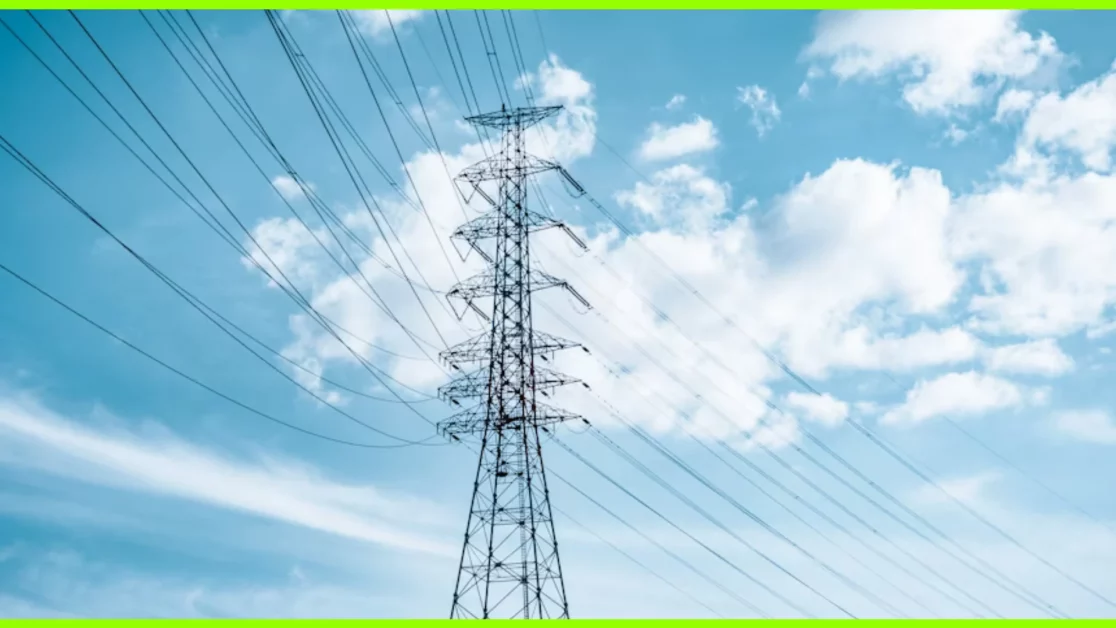
The Ministry of Privatisation has established a technical committee to assess the feasibility of splitting LESCO and MEPCO into smaller distribution companies ahead of their planned privatisation, following concerns over operational performance and efficiency.
The Ministry of Privatisation has constituted a Technical Committee to evaluate whether Lahore Electric Supply Company (LESCO) and Multan Electric Power Company (MEPCO) should be divided into smaller distribution companies (DISCOs) before their planned privatisation. The move is aimed at determining whether restructuring Pakistan’s two largest electricity distribution companies could improve operational efficiency and make them more attractive to investors.
According to Profit by Pakistan Today and Business Recorder, the committee has been tasked with studying the strategic, operational and regulatory implications of splitting both companies into two or three smaller entities before the privatisation process moves forward.
The committee is chaired by Sajid Akram, Advisor (Power) at the Privatisation Commission, and includes Ghulam Rasool, Joint Secretary (Privatisation) at the Power Division, Imran Hafeez, Additional Director Tariff at the National Electric Power Regulatory Authority (NEPRA), and Abid Lodhi, Managing Director of the Power Planning and Monitoring Company (PPMC).
According to the reports, the committee’s mandate is to “assess the feasibility of splitting the two companies into smaller units,” while evaluating “the strategic pros and cons of such restructuring against the National Electricity Plan, Power Policy and the ongoing privatisation programme.”
The committee has also been directed to “review whether any similar committee has previously examined the issue, along with its findings,” ensuring that earlier studies and recommendations are considered before any final decision is made.
Sources quoted in the reports said both LESCO and MEPCO have “underperformed compared to other Punjab-based DISCOs,” particularly in key operational indicators such as electricity theft, transmission and distribution losses, and bill recovery. These performance concerns have reportedly prompted the government to examine whether smaller, more focused utilities would operate more efficiently.
MEPCO, incorporated in 1998 and owned by the federal government through the Ministry of Energy, is Pakistan’s largest electricity distribution company by consumer base. The utility serves approximately 8.76 million consumers across 13 districts of South Punjab through a network of more than 82,000 kilometres of distribution lines and over 780 grid stations.
The company has recently been investing in grid modernisation through the deployment of Advanced Metering Infrastructure (AMI) and digital billing systems aimed at improving transparency, reducing technical losses and strengthening revenue collection.
LESCO, which also began operations in 1998, supplies electricity to around 7.05 million consumers across Lahore, Kasur, Sheikhupura, Nankana Sahib and Okara. The utility operates through eight operational circles and 41 divisions and has been implementing a long-term smart metering programme targeting full consumer conversion by 2029.
However, the reports noted that shortages of transformers and electricity meters have delayed new connections in several areas, leading to regulatory observations and consumer complaints. Audits conducted for FY2024-25 also found the performance of both LESCO and MEPCO to be “unsatisfactory,” reinforcing the government’s decision to evaluate structural reforms before proceeding with privatisation.
The formation of the technical committee represents another step in Pakistan’s broader power sector reform agenda. If the proposed restructuring is found to be feasible, splitting the two largest DISCOs could improve operational efficiency, strengthen governance, attract greater private sector interest and support the government’s long-term objective of modernising the country’s electricity distribution network.