
Aurion.AI Files Application for Rs750m PSX IP
July 29, 2026
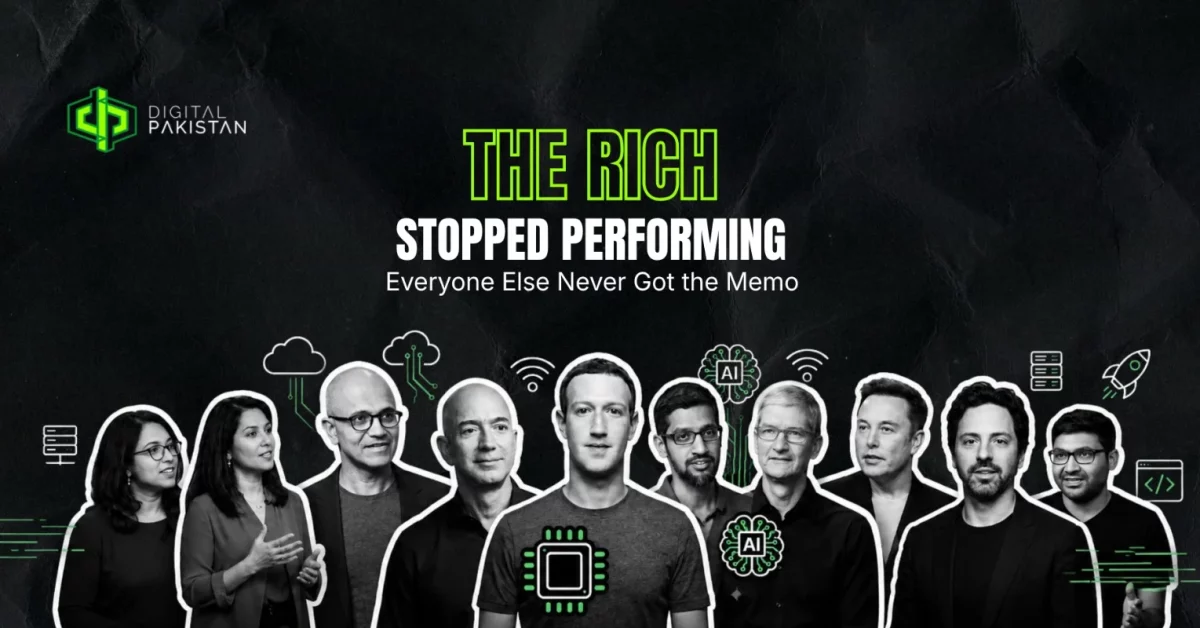
AI should have been pointed at the dull, repetitive, soul-sucking work nobody wants to do. It should have been sorting invoices, handling admin, cleaning up spreadsheets, moving boxes, and taking over the kind of manual labour that eats up human energy for no good reason.
That would have made sense. Let the machine do the boring grind so people could spend more time making art, writing books, building things, caring for each other, and living.
Instead, Big Tech looked at writers, artists, designers, and musicians and decided that was the first place to swing the axe. Of course it did. The people who make culture are always the easiest to undervalue until the day you realise the culture is gone.

Anne Fisher; Fortune
That is the part nobody wants to say out loud. AI was sold as a helper, but the industry keeps using it like a wrecking ball with a clean interface.
This is what eugenics looks like with a startup logo
People hear the word eugenics and think of old textbooks, ugly history, and men with terrible ideas pretending they were scientists. Fine. But the modern version does not need the same language because it has better branding, better fonts, and a lot more venture capital.
Now it shows up as optimisation, efficiency, fit, and performance. It shows up as systems that decide who is valuable, who is scalable, and who is worth keeping around.
That is the same rotten logic wearing a new jacket. The old version asked which people should be bred out of existence. The new version asks which people are worth hiring, funding, promoting, surfacing, or even bothering to notice.
That is not a harmless shift. That is the machine quietly teaching society to sort human beings by usefulness and then pretending it is just being objective.
Artists and writers are the first casualties
The creative class was told AI would be a tool, not a replacement. That line lasted about five minutes before companies started using it to cut costs, slash jobs, and squeeze out the very people who gave their brands taste, voice, and identity.
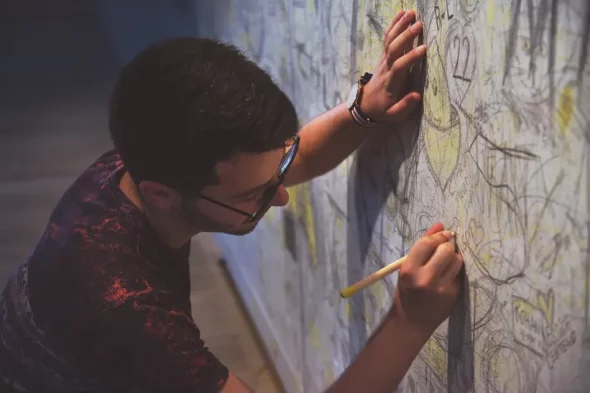
Anurag; Medium
Writers are watching their work get scraped, summarised, and replaced by machines trained on their labour. Artists are watching their styles get copied and sold back to them like some cheap magic trick. It is theft with a product roadmap.
And the worst part is how casually this is being treated, as if losing creative jobs is just a small side effect of progress. How many more jobs does it take before people stop calling this innovation and start calling it what it is?
Because right now the pattern is obvious. First, they come for the writers, then the designers, then the editors, then the illustrators, then the people who thought they were safe because their work was “too human” to automate.
Big Tech doesn’t care what it breaks
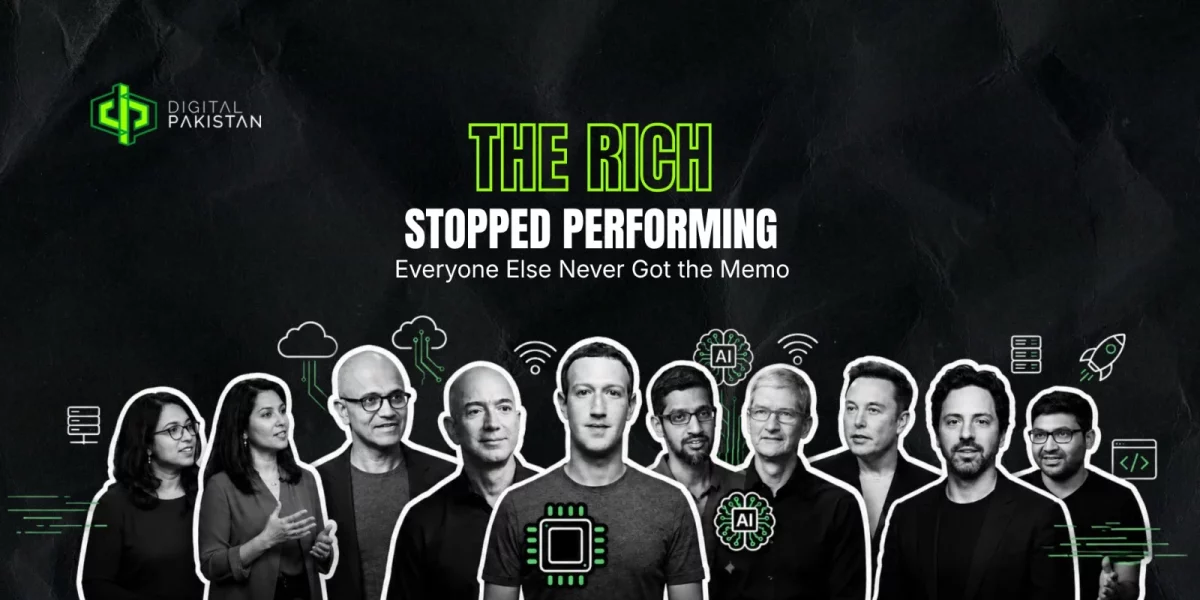
Big Tech does not know what AI can destroy, or maybe it knows enough to keep going and simply does not care. Either way, the result is the same for everyone else. They get the upside, and we get the fallout.
They are not building a future with guardrails. They are strip-mining the present and calling it progress. If a tool can replace labour, flatten wages, flood the market, and make workers easier to discard, then suddenly it is a miracle.
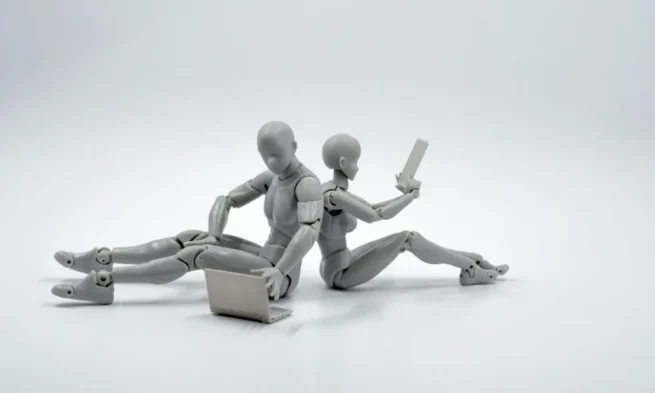
Natasha Stovall; Public Books
That is the whole game. They will tell you they are empowering people while quietly removing the income, dignity, and stability that let people create in the first place.
It is hard to take their concern seriously when every new announcement sounds like a threat dressed up as a keynote. They do not seem interested in what AI might take from us because they are too busy counting what it can make for them.
The lie that optimisation is neutral
Optimisation sounds clean because it sounds mathematical. It sounds like something that belongs in a lab, not in a moral argument about human worth. That is exactly why it is so dangerous.
Every system has values baked into it, whether the people building it admit that or not. If the system rewards speed over depth, conformity over originality, and measurable output over messy human potential, then it is not neutral. It is a machine for flattening people.
And once you start flattening people, the weird ones go first. The late bloomers, the disabled, the neurodivergent, the caregivers, the people with accents, the people with strange careers, the people who do not fit the neat little pattern that makes a dashboard look pretty.
That is where the eugenics logic creeps in. Not through open declarations, but through systems that quietly decide which kinds of humans are efficient enough to matter.
The future should have freed us, not replaced us
If AI had been aimed at the boring work, it could have been a gift. It could have taken the drudgery off our backs and given people more room to create, rest, think, and build lives that were not swallowed by repetitive labour.
Instead, it is being used to hollow out the creative economy and call that progress. It is being used to replace the very people who were supposed to be protected by a smarter future.
That is why this feels so ugly. Not because machines exist, but because the people controlling them keep choosing the most extractive path possible and then acting shocked when everyone notices.
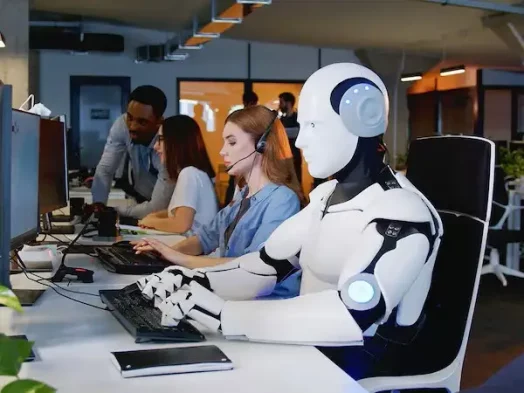
Dr Siddharth Shekhar Singh; Forbes India
The question is not whether AI can replace more jobs. It obviously can, and that is exactly why the people building it are so smug about it. The real question is how many livelihoods, how many careers, and how many forms of human expression Big Tech is willing to burn through before it admits this was never about helping us.
They do not care what AI can destroy because destruction is only a problem if you are the one standing in the blast radius. For them, it is just another quarter, another launch, another round of applause from people who will never have to live with the damage.