
Xi Declares China the Leader of a New Global AI Order
July 19, 2026
Pakistan’s AI, IT Freelancers Positioned To Drive Exports
July 20, 2026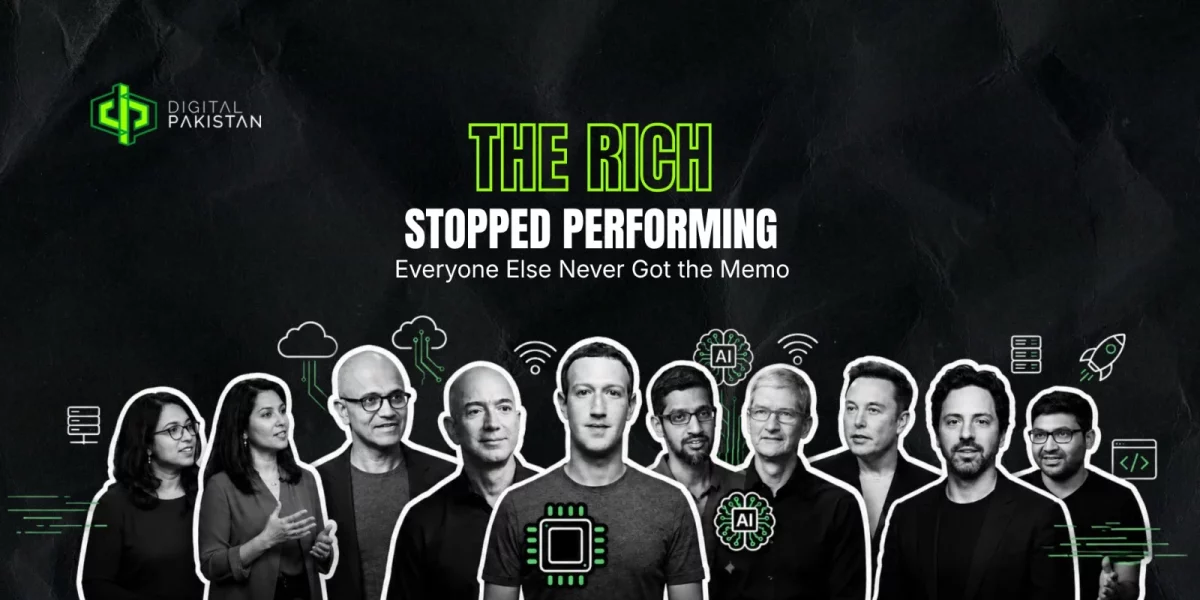
Privacy is the new luxury, and the internet has spent years pretending otherwise. We were sold a neat little fantasy about access, voice, and opportunity. Some of that was true for a while, until the bill showed up and ordinary people were the ones left holding it.
The people with money and power are not vanishing from the internet. They are simply using it with more distance, more control, and a lot less noise. Everyone else is told to post, share, react, and stay visible, as if constant exposure were some kind of civic duty. That is not a neutral system. That is a class divide with better branding.
The internet quietly reversed what status looks like
Twenty years ago, being connected signalled progress. No internet, no smartphone, no social account, and people assumed you were behind. Every new app promised another way to stay informed, stay relevant, and stay in the loop.
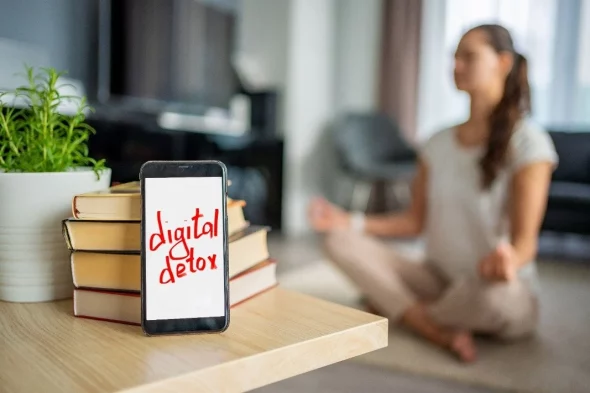
Now the mood has changed, and the shift is hard to ignore. Elite schools are limiting phones, executives are hiding behind assistants, and luxury retreats are selling digital detox weekends like they are beachfront penthouses. Invite-only communities feel more exclusive than public timelines ever did, and encrypted messaging apps have started to look more valuable than another shiny platform with a logo and a slogan.
Amanda Krause; Business Insider
The wealthy are not rejecting technology. They are buying distance from it. That is the part people keep missing, probably because it is easier to admire the surface than admit what is happening underneath.
Meanwhile, everyone else is pushed toward permanent availability. Post your breakfast, your workout, your vacation, your breakup, your dog, your political rage, your healing journey, your random thought at 1:13 a.m. Every platform says the same thing in different packaging. Keep going. Keep sharing. Keep feeding the machine.
You’re producing far more than content
Most people still think they are uploading photos, videos, and the occasional post that gets a few likes and disappears into the void. That is the cute version. The real transaction is much bigger, and much more invasive.
Every post gives away how you speak, what you buy, where you go, who you love, what you fear, and what keeps you awake at night. Your face, your voice, your habits, your opinions, your routines, your little private tells, all of it becomes useful to someone else. That information has value, and in many cases, it has more value than the post itself.
The current rush around AI made that painfully obvious. Companies are fighting over who gets to use online content, who owns it, and who gets paid for it. Reddit has licensed its archives, artists have sued over scraped work, and publishers have spent years trying to stop their words from being vacuumed up for free. Every headline says the same thing in a different outfit. The internet is no longer just a place to publish. It is a place where human behaviour gets harvested.
Most people still think they are leaving memories behind. They are leaving material behind.
The internet runs on free labour, and most people never noticed
Here is the part nobody likes to say out loud. The biggest platforms do not create the content that keeps them alive. Users do that work every single day, usually for free, usually without thinking too hard about it.
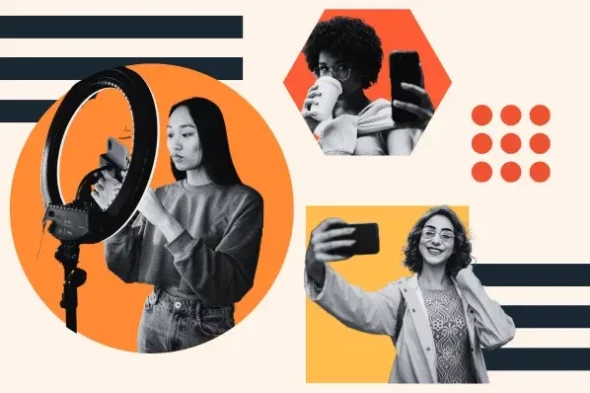
Facebook did not build your family album. TikTok did not film your dance challenge. Reddit did not write the endless arguments, confessions, jokes, and hot takes that keep people scrolling. YouTube did not record your travel vlog or your makeup tutorial, or your very serious explanation of why the new season ruined everything. People made all of that, and the platforms simply built the stage.
Ramona Sukhraj; HubSpot
Then the stage became valuable in a way nobody fully expected. Those posts, comments, clips, reviews, and voice notes turned into raw material for the next wave of software, and suddenly the average person was doing three jobs at once. They were the audience, the performer, and the unpaid labour keeping the whole thing moving.
People love repeating, “If the product is free, you are the product.” That line still lands, but it does not go far enough anymore. You are also the supply. And unlike oil, the supply keeps growing every time you unlock your phone and decide to share one more thing you probably did not need to share.
Privacy became a status symbol
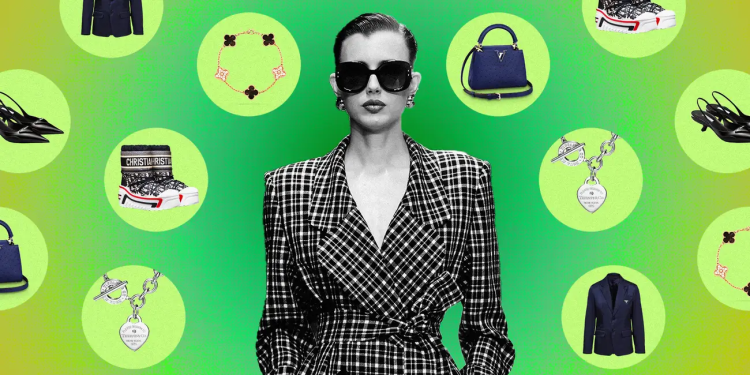
Luxury used to be loud. It came with logos, sports cars, giant houses, and the kind of confidence that wanted everyone to notice. Now some of the most desirable thing’s money can buy are almost suspiciously quiet.
Alexandra Jones; ELLE
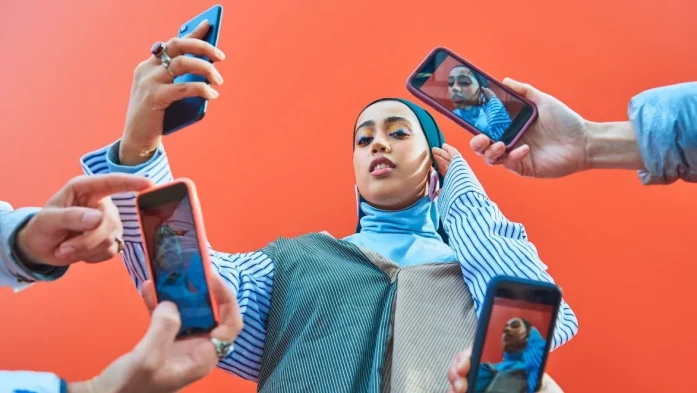
A private account. No notifications. A family that never shows up on TikTok. Children who grow up without strangers watching their every awkward phase. The freedom to disappear for a month without writing a caption about it. That is where the status has gone, and honestly, it makes sense.
Silence has become expensive. Constant availability has become the default. The same internet that rewarded oversharing for years has made mystery feel rare again, which is a very funny twist if you think about it. Quiet luxury started in fashion, and now it has infected digital life too.
Old-money families understood this long before the rest of us caught on. Many built fortunes without broadcasting every move, every meal, and every milestone. Wealth managers now advise discretion, executives keep personal lives behind locked accounts, and the people with the most to lose often share the least. Compare that with the pressure everyone else feels to build a personal brand, network publicly, stay relevant, and feed the algorithm like it is some kind of needy houseplant.
The next status symbol might be invisibility
For years, visibility was sold as success. The bigger your audience, the more doors opened, the more people listened, and the more valuable you seemed. That logic made sense when attention was the prize.
Now attention comes with a bill attached. Your habits are tracked, your conversations become data, your face has value, your voice has value, and even your mistakes can live forever in some ugly little corner of the internet. The whole deal has changed, and most people are still acting like nothing happened.
Cemer
The people with the most power may not be the loudest voices online. They may be the ones who reveal almost nothing, not because they are hiding, but because they understand scarcity. Privacy used to be something most people had by default. Now digital privacy looks more like something you must buy, protect, and defend with actual effort.
That is the real class divide nobody wants to talk about. Twenty years ago, access to the internet separated the privileged from everyone else. Today, the ability to step away from it is becoming the privilege.
The internet taught us that everyone should be visible. The next decade may reward the people who never felt the need to be.