
Pakistan Plans $500m Second Panda Bond
October 28, 2026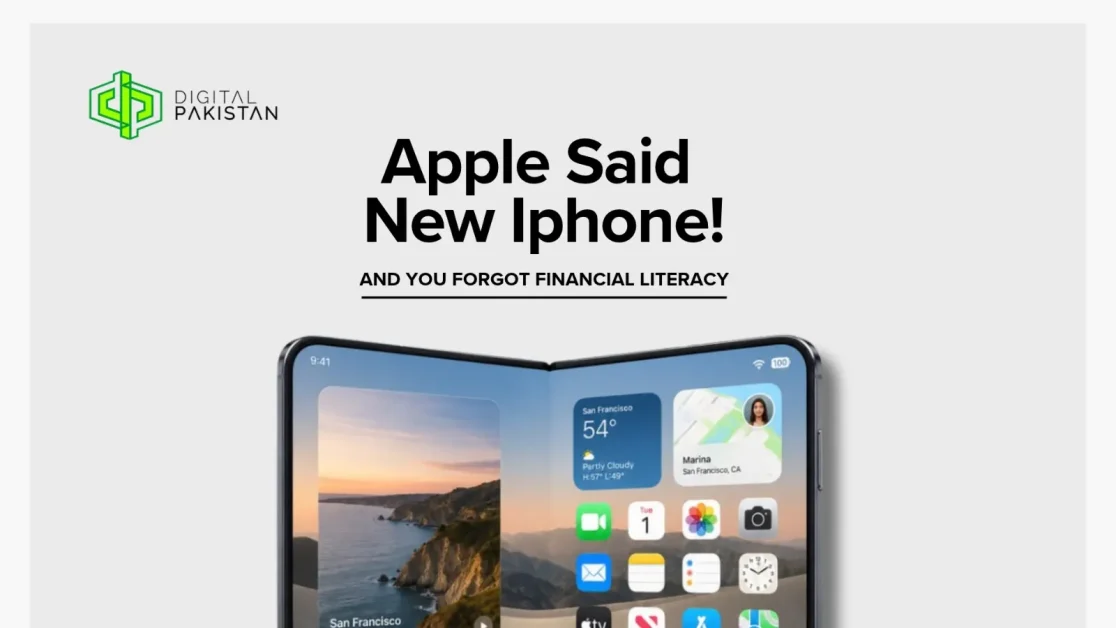
Every year, Apple finds a new way to make your phone feel old
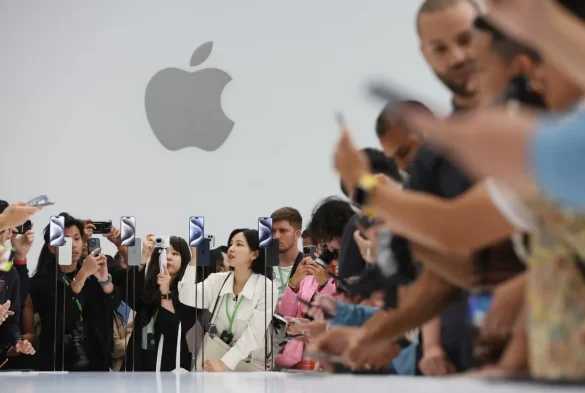
iPhone upgrades have become an annual ritual, somewhere between a product launch and a collective episode of consumer FOMO. Apple announces a new model, the internet spends two weeks analysing camera samples and microscopic design changes, and suddenly a phone that worked perfectly well on Monday feels a little embarrassing by Friday. Your current iPhone still opens Instagram, takes decent pictures and lets you ignore your responsibilities in 4K, but now the new one has arrived with a slightly better camera and a chip that sounds like it belongs in a spaceship. Naturally, your existing phone has become a historical artefact.
The Learning Network; The New York Times
To be fair, Apple makes genuinely impressive hardware. Its processors are powerful, its cameras have improved considerably over the years, and long-term software support is a legitimate selling point. The issue is how quickly useful improvements become reasons to spend again. For someone using a five-year-old phone with a struggling battery, an upgrade might make complete sense. For someone replacing last year’s Pro model because the newest version has a different camera layout, the calculation gets a little more interesting. At some point, you have to wonder whether you’re buying a meaningful improvement or just paying a premium to remain current.
Apple’s annual launch cycle is particularly good at making this feel normal. New features get the spotlight, while the perfectly functional device already sitting in your pocket becomes old news. Nobody needs to tell you your phone is obsolete; the constant arrival of something newer can do that job surprisingly well. It’s a brilliant business model, really, especially when the product is expensive enough to feel like a milestone purchase and recognisable enough to make that purchase visible to everyone else.
The battery controversy that made people suspicious
The conversation around Apple deliberately slowing older iPhones did not come out of nowhere. In 2017, Apple confirmed that iOS used performance management on certain iPhones with chemically aged batteries to help prevent unexpected shutdowns. As lithium-ion batteries wear down, their ability to deliver peak power can deteriorate, particularly under demanding conditions. Managing performance can help keep an ageing device stable, so the technical explanation itself was not absurd. The bigger problem was that many users felt they had not been properly told what was happening to their phones.
Imagine buying an expensive phone, noticing that it has become sluggish, and discovering that software is managing its performance because the battery has aged. You might reasonably wonder why the phone did not make the situation clearer, or why replacing the battery was not presented as an obvious option. Apple’s explanation addressed a real engineering problem, but the communication gap left plenty of room for suspicion. Once people started connecting sluggish phones with the possibility of a new purchase, the whole thing became a public-relations headache.
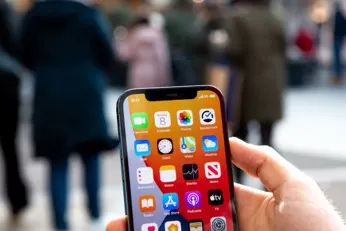
Frederik Lipfert; Unsplash
The legal fallout was significant. Apple agreed to a $113 million settlement with a coalition of US states over allegations relating to its handling of iPhone performance disclosures, and it separately agreed to a class-action settlement of up to $500 million in the United States. These were separate legal matters, and Apple did not admit wrongdoing as part of the class-action settlement. The controversy helped cement the phrase planned obsolescence in the iPhone conversation, although it is important to distinguish the documented battery-management issue from the broader claim that Apple deliberately slows every older phone whenever a new model launches. That sweeping claim is not established by the battery controversy alone.
Still, the damage to trust was understandable. When a phone becomes slower, users want to know whether the cause is an ageing battery, demanding software, limited storage or something else entirely. They should not have to become amateur forensic analysts just to understand why their expensive device is behaving differently.
The new iPhone is an upgrade. The question is for whom.
Every new iPhone launch comes with the familiar parade of improvements: a faster processor, camera enhancements, better battery efficiency, new software features and a design detail that somehow deserves an entire keynote. Some of these changes matter, especially for people who use their phones for professional photography, video production or demanding applications. But for the average person whose daily routine consists of WhatsApp, TikTok, Instagram, Google Maps and taking 300 pictures of the same meal, the difference between consecutive models may feel less dramatic than the marketing suggests.
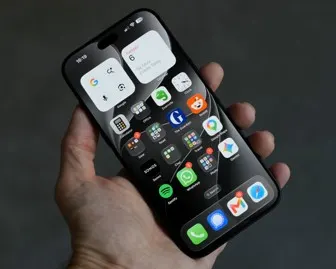
Samuel Gibbs; The Guardian
This is where Apple’s upgrade cycle gets interesting. The company doesn’t necessarily need to convince you that your current phone is bad. It only needs to make the new one feel sufficiently better, whether through actual features or the excitement surrounding its launch. Suddenly, last year’s camera seems ancient, your phone’s colour feels outdated, and you’re watching comparison videos at 1 a.m. trying to justify a purchase you weren’t considering three days earlier. The technology has improved, certainly, but so has the machinery designed to make you want it.
The iPhone 18 conversation fits neatly into this pattern, although the lineup’s release timing matters. As of October 2026, the premium iPhone 18 models are already part of the current launch cycle, while the standard model is expected later. The interesting question is what those changes actually offer someone upgrading from a recent iPhone. If your existing phone works well, receives security updates and handles everything you need, a newer processor or a camera improvement might be nice without being necessary. And there’s absolutely nothing wrong with wanting nice things. It’s just worth knowing when you’re paying for a feature and when you’re paying for the feeling of having the latest one.
Maybe the smartest upgrade is not upgrading
Apple isn’t the only company that benefits when consumers replace perfectly usable products, and buying a new iPhone isn’t automatically wasteful. Batteries degrade, repairs can become expensive, security support eventually ends, and genuinely useful features do arrive. There are sensible reasons to upgrade, just as there are sensible reasons to keep a phone for another two or three years. The problem begins when the annual launch cycle quietly becomes an annual obligation, as though owning last year’s model is a personal failure rather than a completely normal way to use an expensive piece of technology.
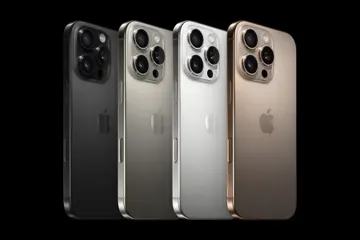
Mike Anguilano; Medium
Before spending your money, it helps to ask a few painfully unglamorous questions. Is your battery genuinely struggling? Has your phone stopped receiving important security updates? Is there a feature in the new model that would make a real difference to your work or everyday life? If the answer to all three is no, perhaps the upgrade can wait. You can replace the battery, clear some storage or keep using the camera that was apparently excellent right up until the next keynote. Your phone will not know you’ve rejected its successor, and your Instagram followers probably won’t organise a candlelight vigil.
Apple will keep releasing new models because that’s how the business works, and people will keep buying them for all sorts of reasons. There’s nothing inherently wrong with enjoying new technology, particularly when you can comfortably afford it. But it is worth separating genuine enthusiasm from the low-level anxiety that makes a perfectly good device feel inadequate simply because something newer exists.
Ultimately, the most interesting thing about the iPhone upgrade cycle isn’t whether Apple can make a faster chip or improve a camera. It’s how effectively a technology company can turn the passage of time into a reason to spend money. In Pakistan, where the price of the newest iPhone can make the purchase feel like an achievement in itself, that pressure becomes even more revealing. Your phone might be three years old, your battery might still be holding up, and your camera might be perfectly fine. If you’re still desperate for the newest model, at least be honest with yourself about why. Sometimes you’re buying better technology. Sometimes you’re buying the flex. And occasionally, you’re paying several hundred thousand rupees to discover that your WhatsApp groups look exactly the same.