
ITANZ Approves Majority Stake Acquisition in Australia
June 8, 2026
OPEC+ Approves 4th Oil Output Hike Amid Ongoing Crisis
June 9, 2026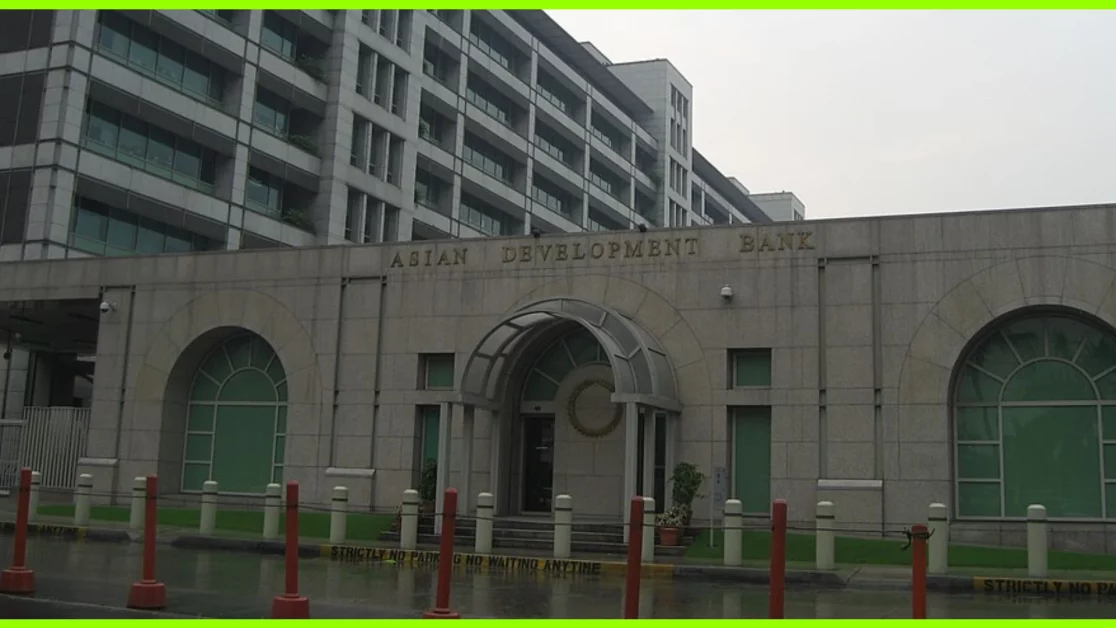
The Asian Development Bank (ADB) has released a policy brief highlighting Pakistan’s vulnerability to prolonged inflation due to structural economic weaknesses.
Read more: ADB Approves $10–12bn Pakistan Lending Strategy
The Asian Development Bank (ADB) has stated that Pakistan’s economy lacks the industrial strength and structural resilience needed to effectively withstand prolonged periods of high inflation. In its latest policy brief, Beyond Inflation: Industrial Capability and External Resilience in Pakistan and Türkiye, the development institution argues that economic resilience depends on far more than inflation figures alone.
According to the report, countries are better positioned to manage inflation when they possess strong industrial sectors, diversified exports, productive industries, efficient logistics networks, and adequate fiscal resources. While both Pakistan and Türkiye have faced inflationary pressures in recent years, the report notes that the two economies have responded very differently due to their underlying economic structures.
The study highlights that Türkiye has continued to maintain economic growth despite experiencing exceptionally high inflation. A major reason for this resilience is its diversified industrial base, which includes sectors such as automotive manufacturing, machinery production, and advanced equipment manufacturing. These industries allow Turkish businesses to remain competitive internationally and respond more effectively to economic challenges.
Pakistan, on the other hand, remains heavily dependent on a limited number of traditional industries. Textiles, leather products, and food processing account for more than 73 percent of the country’s exports. While these sectors remain important contributors to the economy, the report suggests that reliance on a narrow export base limits Pakistan’s ability to expand its presence in global markets and generate sustainable export growth.
The ADB also examined the impact of currency depreciation in both countries. In Türkiye, a weaker currency often helps boost exports because domestic industries can quickly increase production and take advantage of greater international competitiveness. In Pakistan, however, depreciation tends to increase the cost of imported fuel, machinery, raw materials, and other essential inputs. This contributes to higher inflation without delivering a significant increase in export earnings.
Another important factor identified in the report is fiscal capacity. Türkiye’s tax-to-GDP ratio stands at approximately 17–18 percent, giving the government greater flexibility to support industries and respond to economic challenges. Pakistan’s tax-to-GDP ratio, by comparison, remains around 9–10 percent, limiting the government’s ability to invest in long-term economic development and industrial expansion.
Foreign direct investment (FDI) is also highlighted as a key area where the two countries differ. Türkiye consistently attracts higher and more stable investment inflows, allowing domestic businesses to adopt new technologies, improve productivity, and integrate into global value chains. Pakistan continues to receive relatively lower levels of FDI, which restricts technology transfer and industrial modernization.
The report acknowledges the important role of workers’ remittances in supporting Pakistan’s economy. Over the past decade, remittances have contributed between 6 and 9 percent of GDP and have helped ease pressure on the country’s external accounts. However, the ADB stresses that remittances cannot substitute for export-led industrial growth, as they do not directly create productive capacity or improve international competitiveness.
Additionally, logistical challenges remain a significant obstacle. Compared to Türkiye’s well-connected transport and supply chain networks, Pakistan continues to face higher trade costs, transportation bottlenecks, and weaker logistics infrastructure, all of which limit export growth and industrial development.
The report concludes that Pakistan’s long-term economic resilience will depend on strengthening industrial capabilities, diversifying exports, improving productivity, attracting investment, and enhancing logistics infrastructure. These reforms, according to the ADB, will be essential for reducing vulnerability to future inflationary pressures and external economic shocks.