![A worker carrying a solar panel at a market in Lahore, June 2024] Image Source: CNN, Photo By: Arif Ali/AFP/Getty Images](https://digitalpakistan.pk/wp-content/uploads/2026/03/4-6-80x80.webp)
Bloomberg Commits $285m for Clean Energy
June 25, 2026
BankIslami Expands Cybersecurity Through Resecurity Alliance
June 26, 2026
Women empowerment through technology is one of the most important social shifts happening in Pakistan today, yet it rarely receives the attention it deserves. Discussions about women’s empowerment often focus on education, workplace participation, legislation, or leadership representation. While those issues remain important, they sometimes overlook a simpler reality: independence becomes easier when people can move freely, access information instantly, manage their finances, and create opportunities without relying on others.
That is why one of the most interesting transformations in Pakistan is not taking place in parliament or corporate boardrooms. It is happening on city streets, inside smartphones, through digital wallets, and across online platforms. These changes may seem small on their own, but together they are reshaping how women participate in society and how society views women’s capabilities.
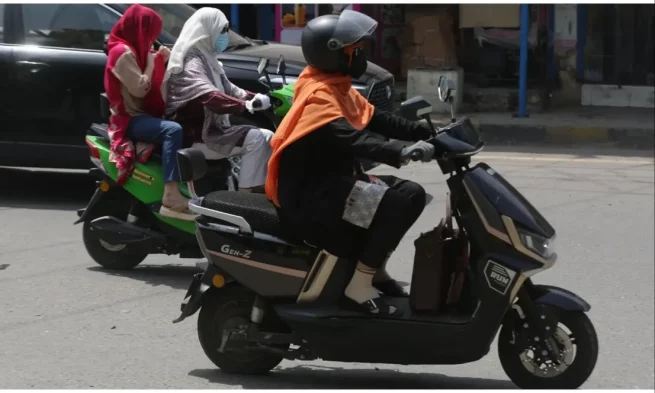
Walk through Lahore, Karachi, Islamabad, or Faisalabad today and you will notice something that was far less common a decade ago. More women are riding scooties and electric vehicles. More women are running online businesses, freelancing, studying remotely, and managing digital payments. The real story is not about the technology itself. It is about how technology is reducing dependency and expanding choice.
Independence begins with mobility
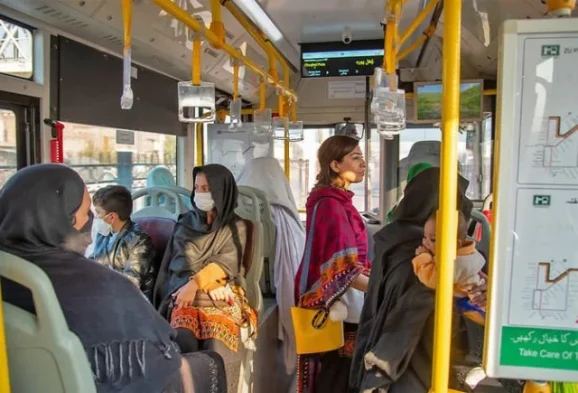
Mobility is one of the most overlooked aspects of empowerment. Conversations about opportunity often focus on education and careers, yet both become harder to access when transportation is limited. Freedom is difficult to exercise when every journey depends on someone else’s schedule or approval.
For many women, transportation has long been a practical barrier. Even when opportunities existed, reaching them was not always easy. Public transport can be inconvenient, private transport can be expensive, and relying on family members often creates limitations.
This is why the growing popularity of scooties and electric vehicles among women matters. These vehicles make transportation more affordable and accessible, allowing women to travel independently for work, education, errands, or social activities. More importantly, they provide control over time and movement.
The impact extends beyond transportation. Greater mobility often leads to better educational opportunities, increased workforce participation, stronger social networks, and greater confidence. The vehicle may be simple, but the freedom it enables is significant.
Reuters; The Express Tribune
The smartphone became a freedom tool
Most people think of smartphones as communication devices, but for many women they have become tools for independence.
A smartphone combines navigation, education, banking, transportation, communication, and business opportunities into a single device. Tasks that once required multiple visits, intermediaries, or resources can now be completed within minutes.
Access to information is perhaps the biggest change. Previous generations often depended on institutions or personal networks to learn new skills and discover opportunities. Today, someone with internet access can learn graphic design, coding, digital marketing, content creation, or entrepreneurship through online platforms.
Technology did not create ambition or talent. Those qualities already existed. What changed was access. Smartphones have made it easier for people to turn their skills and ideas into real opportunities.
Digital payments are changing financial independence
One of the most powerful effects of technology is happening in the financial sphere.
Financial independence influences confidence, decision-making, and long-term planning. Digital payment platforms such as Easypaisa and JazzCash have made financial services more accessible, allowing women to receive payments, manage transactions, and participate in the digital economy more easily.
Women running home-based businesses can sell products online and receive payments directly. Freelancers can work with clients across Pakistan and beyond. Small entrepreneurs can operate without investing heavily in physical storefronts.
These changes may seem technical, but their impact is personal. Greater control over money often leads to greater control over life choices. Technology has not removed the need for hard work, but it has reduced some of the barriers that once stood between effort and opportunity.
Social media created a mindset shift
Technology changes behaviour, but it also changes expectations.
A generation ago, many young women had limited exposure to role models outside their immediate surroundings. Today, social media provides access to entrepreneurs, freelancers, athletes, engineers, travellers, and creators from across the world.
Malaika Arbab; Dawn
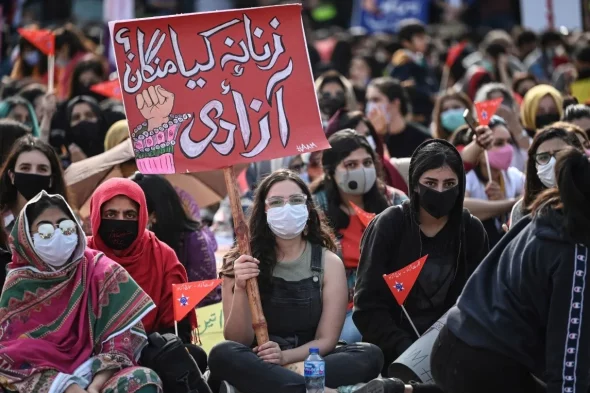
Visibility matters because people often struggle to imagine possibilities they have never seen. Seeing women succeed in different fields does not guarantee success, but it expands the range of what feels achievable.
Social media certainly has its drawbacks, but it has also broadened access to inspiration, information, and representation. Perhaps more importantly, this shift affects not only women but also families, employers, and communities. Social change often begins when something once considered unusual starts to feel normal.
Technology is reducing gatekeepers
One of the most significant effects of the digital age is the reduction of gatekeepers.
Historically, access to education, employment, customers, and professional networks often depended on institutions or intermediaries. Opportunities existed but reaching them frequently required approval from those who controlled access.
Technology has not eliminated these barriers, but it has weakened them. Today, someone can learn through online courses, market products through social media, sell through e-commerce platforms, and earn income remotely without relying entirely on traditional pathways.
Success is still difficult, and challenges remain. However, fewer people now stand between ambition and opportunity than in previous generations. That shift may seem gradual, but its long-term impact could be profound.
The next decade could look very different
The woman riding an EV scooter through Lahore or Karachi represents something larger than a transportation choice. She represents a generation growing up with tools that previous generations never had.
Affordable mobility, digital banking, remote work, online education, artificial intelligence, and digital entrepreneurship are becoming part of everyday life. Each innovation solves a practical problem, but together they create greater freedom to learn, work, travel, and participate in society.
Anmol Irfan; News Line Magazine
The conversation about women’s empowerment will always involve policies, institutions, and legal reforms. Yet technology deserves a place in that conversation because it is quietly reshaping daily life in ways that statistics alone cannot capture.
Sometimes change arrives through legislation. Sometimes it arrives through cultural movements. And sometimes it arrives through a smartphone, a digital wallet, an online business, or an electric scooter.
The most compelling story unfolding in Pakistan today is not simply that women are adopting new technologies. It is that these technologies are expanding access to opportunity, reducing dependency, and reshaping expectations about who gets to move, earn, decide, and participate. The real transformation is not happening inside the devices themselves. It is happening in the confidence and independence they make possible.