

Pakistan Accelerates Transition to Clean Energy by 2035
August 5, 2026
PIDE Calls for Responsible AI and Inclusive Fintech Adoption
August 6, 2026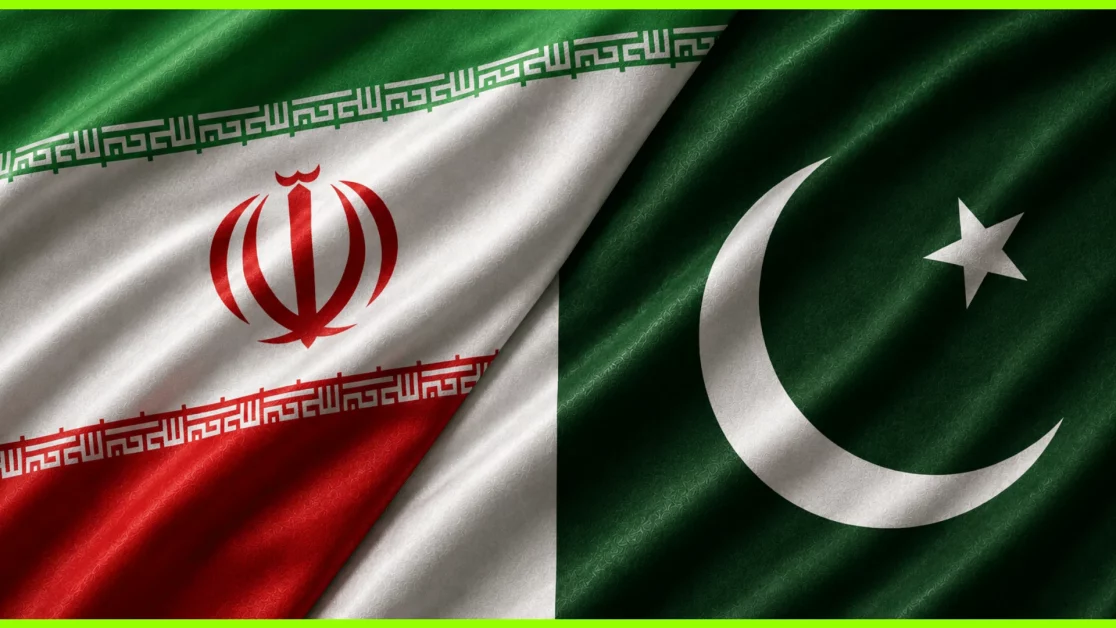
Pakistan and Iran reaffirmed plans to deepen bilateral trade, with Tehran seeking greater use of Karachi and Gwadar ports and both sides advancing FTA discussions.
Pakistan and Iran have renewed efforts to expand bilateral economic engagement, with Tehran expressing interest in increasing trade through the ports of Karachi and Gwadar during talks held under the Pakistan-Iran Joint Trade Committee.
The discussions were held at the committee’s 10th session in Islamabad, where Commerce Minister Jam Kamal Khan met Iranian Minister of Industry, Mine and Trade Mohammad Atabak to review progress on commercial cooperation and identify new areas for growth.
During the meeting, the Iranian minister said his country viewed Pakistan as a key economic partner and remained committed to broadening trade, investment and regional connectivity. He also indicated that negotiations on a bilateral Free Trade Agreement were advancing and expressed hope that the process would reach completion in the near future.
On the Pakistani side, Jam Kamal emphasised the importance of translating policy commitments into practical outcomes. He said expanding the network of joint border markets and improving cross-border logistics would create new business opportunities and strengthen economic activity in border regions.
The minister added that the business communities of both countries were prepared to increase commercial engagement and stressed that governments should continue simplifying procedures to provide investors and traders with a predictable operating environment.
Officials from both sides also reviewed measures introduced in recent months to improve trade facilitation, including new transit routes, customs reforms and border management initiatives designed to support the movement of goods.
Pakistan has also introduced policy measures allowing selected exports to Iran through land routes while expanding transit access for shipments moving onward to Central Asian states and Azerbaijan via Iranian territory.
Islamabad and Tehran have identified closer cooperation in transport, investment, agriculture, energy and logistics as central to their long-term economic agenda. Both governments continue to pursue a target of increasing bilateral trade to $10 billion by addressing trade bottlenecks and encouraging stronger private-sector participation.
The latest meeting forms part of a broader series of engagements between the two neighbouring countries aimed at strengthening regional connectivity and creating additional avenues for trade despite continuing challenges affecting the wider regional economy.