
Google Unveils Gemma 4 for Advanced AI Workflows
April 5, 2026
Introduction: The loneliness Epidemic
There is an epidemic nobody is rushing to cure. Not because it is incurable, but because it is far too lucrative to fix. Loneliness, that hollow, thoroughly human condition, has become the quietly beating heart of the most profitable industry in modern history.
Before the smartphones and the feeds and the notifications, loneliness was a private affliction. Something you sat with. Something that eventually moved you towards other people, towards the difficult and necessary work of genuine human connection. Loneliness used to have nowhere to go but outward.
What the architects of the digital age understood is that a lonely person is a remarkably susceptible one. Hungry for validation, for the sensation of being seen and known. They will return, again and again, to whatever offers even the dimmest simulation of that feeling.
And if you can engineer that simulation on demand, you don’t just have a product. You have an addiction with a user interface. We are the most connected population in human history, linked across continents in real time, and we are desperately, profoundly alone.
That paradox isn’t accidental. It was, to a quietly horrifying degree, by design. Loneliness was never a problem Silicon Valley intended to solve. It was a market they intended to corner. We were lonely. They noticed it. Then they built an empire out of it.
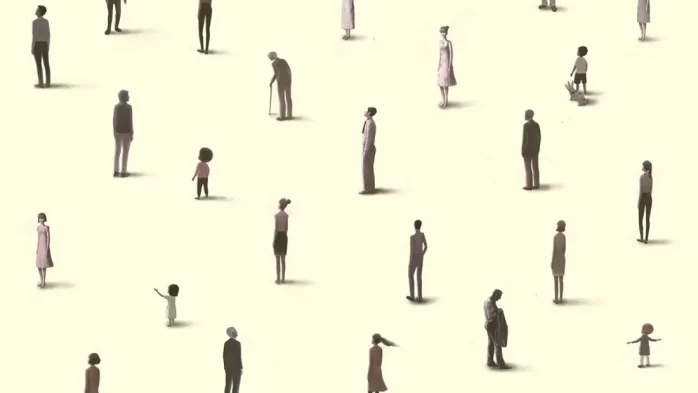
Image source: gse.harvard.edu
They Didn’t Find the Wound, They Made It Wider
The cruelest part of this story is that Silicon Valley did not stumble upon a pre-existing wound and simply fail to heal it. They deepened it. Deliberately, systematically, and with full knowledge of what they were doing.
The internal research was never a secret not really. Facebook’s own data scientists documented that Instagram worsened body image, amplified anxiety and drove teenage girls towards depression. The response was not remediation. It was containment. Bury the findings, tweak the language, dispatch the PR team and carry on.
The platform was working exactly as intended, keeping people hooked, insecure and scrolling. Because here is what the engagement model actually runs on: it does not reward contentment. A satisfied, secure, well-adjusted person with a rich inner life and fulfilling relationships does not spend four hours a day on their phone.
They have somewhere better to be. The algorithm, by design, needed the opposite of that person. It needed someone restless. Someone comparing. Someone perpetually arriving at the conclusion that their life, their face, their relationships and their general existence were somehow insufficient.
So, it engineered that insufficiency. Relentlessly, and at scale. It took the ordinary self-doubt that human beings have always navigated privately, and it industrialized it. Turned it into a content loop. Gave it an audience.
Made it available twenty-four hours a day in the palm of your hand. The wound existed before they arrived. But they found it, studied it, and instead of suturing it, built an entire economy around keeping it open.

Image source: Unsplash
A Chatbot Will Listen. It Will Never Actually Hear You.
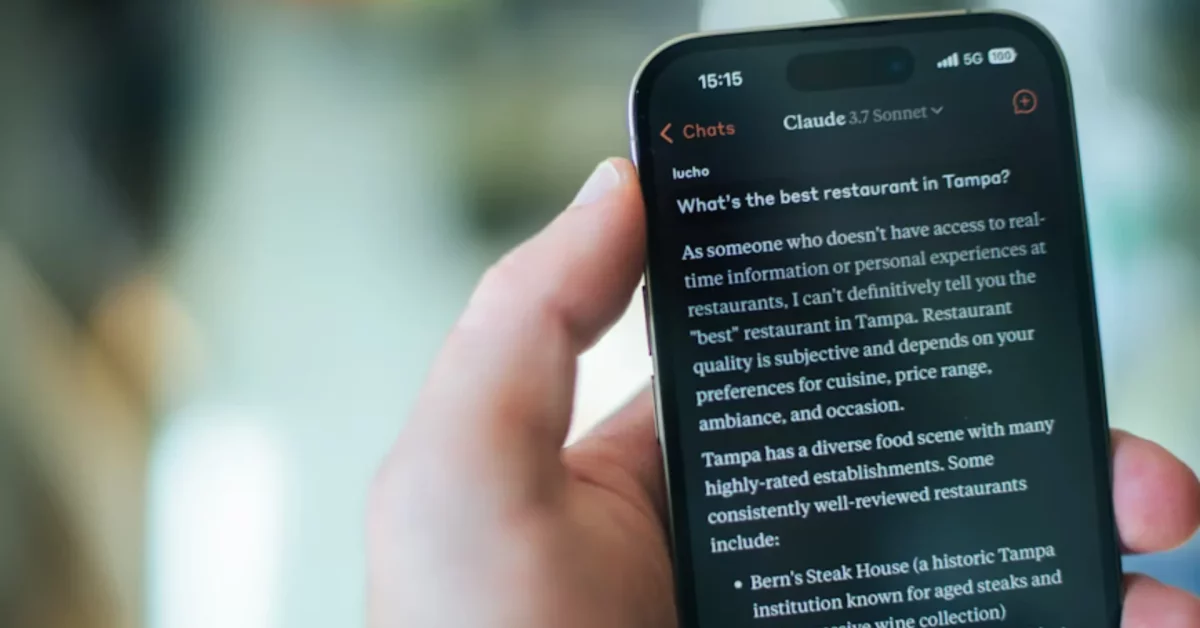
There is something deeply telling about the fact that we have arrived here, at a place where a measurable number of people are turning to artificial intelligence for emotional intimacy. Not as a joke. Not as a novelty. As a genuine substitution for human connection.
The newest wave of AI companions, designed and marketed with the express purpose of simulating friendship, romance and emotional support. The pitch is seductive, particularly to the lonely: always available, never judgmental, endlessly patient. It will not cancel plans. It will not misunderstand you. It will not have a bad day that bleeds into yours.
What it will also never do is actually know you. Because knowing someone, real, inconvenient, transformative knowing, is not a function of response accuracy. It is a function of shared humanity.
Of two imperfect, complicated people choosing each other repeatedly through the mess and friction of actual life. A chatbot cannot choose you. It cannot miss you. It processes your input and returns an output calibrated to keep you engaged. That is not intimacy. That is a very sophisticated mirror.
The danger isn’t that people are using these tools. The danger is that they are beginning to prefer them. Because the AI never pushes back. It never challenges or disappoints or asks anything difficult of you.

Image source: Unsplash
And in that frictionless exchange, people are quietly losing their tolerance for the very texture of real relationships, which are, by their nature, difficult, demanding and irreplaceable. We are not solving loneliness with these tools. We are anesthetizing it. And there is a significant difference between a wound that is healing and a wound that simply cannot feel itself anymore.
He Doesn’t Know You Exist and Yet You’d Call Him Family.
There is a particular kind of modern loneliness that doesn’t look like loneliness at all. It looks like a dedicated fan account. A Discord server. A comment section where everyone knows your username. It looks, from the outside, remarkably like community. And that is precisely what makes it so insidious.
Parasocial relationships, the one-sided emotional bonds formed between an audience and a public figure, are not new. People have always felt connected to artists, athletes, celebrities. But what social media did was turbocharge that dynamic beyond anything previously imaginable. It created the illusion of access.
The YouTuber who films his morning routine, the podcaster who speaks with the cadence of a close friend, the streamer who reads your comment aloud and laughs, they are not your people. But your nervous system, which was never designed to distinguish between a screen and a room, doesn’t entirely know that.
And so people grieve when their favorite creator goes through a breakup. They feel personally betrayed when a podcaster says something disappointing. They defend these strangers on the internet with a ferocity they cannot always locate for the actual people in their actual lives.
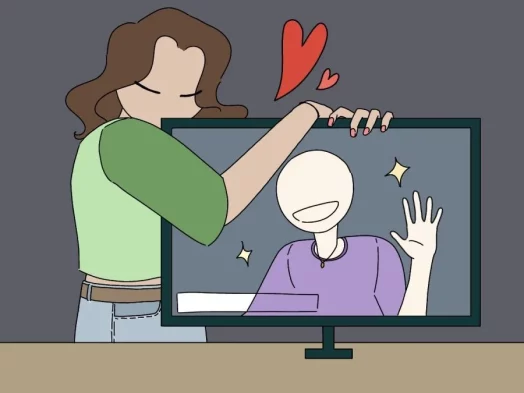
Image source: Platform Magazine
The parasocial bond asks nothing of you, no vulnerability, no compromise, no risk of genuine rejection. It is intimacy with the volume turned up and all the difficulty removed. Which is, again, by design.
Creators are incentivized to manufacture closeness. The more indispensable they feel to your emotional life, the better their retention numbers. Your loneliness is not their concern. Your engagement is. He doesn’t know your name. But you’d take a bullet for his brand. And somewhere in that distance between those two facts lives the loneliest sentence of the twenty-first century.
Conclusion
Silicon Valley did not invent loneliness. But it did something arguably worse, it convinced us that loneliness was a personal failing with a downloadable solution. It reframed a collective human crisis as an individual consumer problem, absolved itself of every responsibility, and watched the profit margins climb.
The solution was never in the app store. It was always the harder, slower, deeply unfashionable work of showing up for real people in real time, imperfectly, inconveniently, without an algorithm curating the experience. We were lonely because we were human. We are lonelier now because we were sold a substitute and accepted it.