
Bosch Launches Semiconductor Unit
November 4, 2026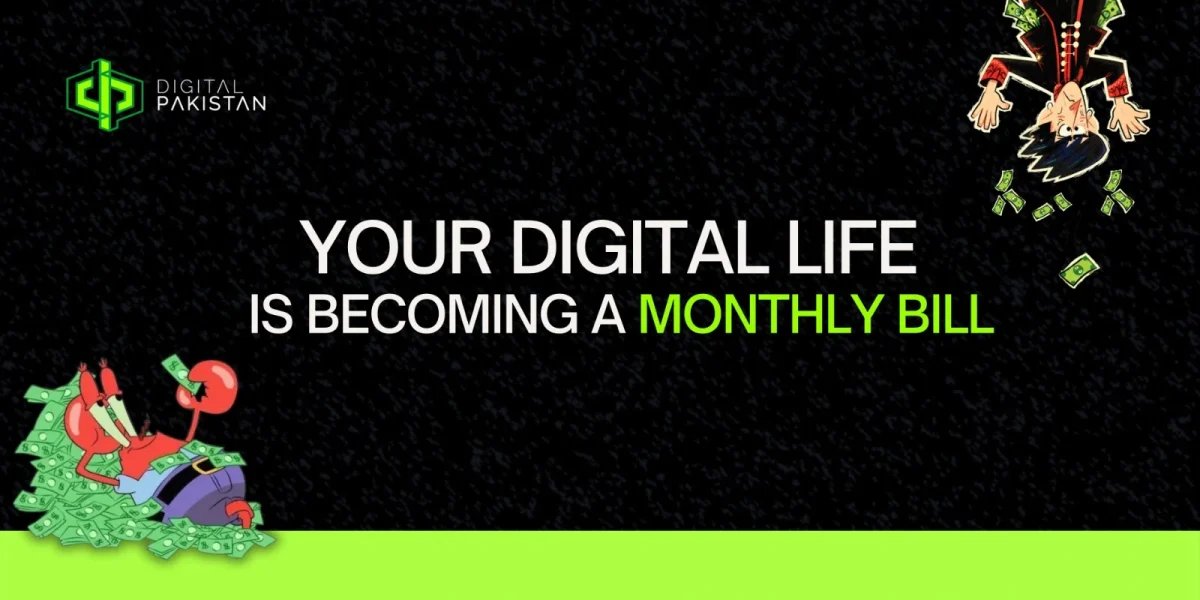
The subscription economy has a funny way of making your digital life feel affordable right up until you check your bank statement. Your photos are in the cloud, your favourite shows are scattered across streaming platforms, your work depends on software you pay for every month, and the AI tool you started using out of curiosity has somehow become part of your daily routine. Somewhere along the way, your entire digital existence acquired a collection of renewal dates.
Subscriptions made sense when they offered something genuinely useful, such as regular software updates, reliable cloud storage, or entertainment without buying individual films. The trouble started when the model spread into almost every corner of our lives, including things we once purchased outright or managed ourselves. We’re now paying for storage, productivity, creativity, entertainment, and tools that can feel essential to studying or earning a living. Apparently, even being organised comes with a monthly fee.
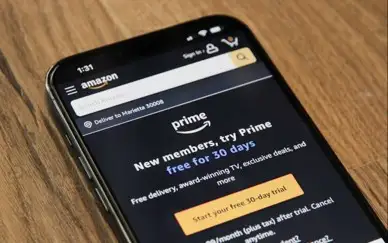
Each payment looks manageable on its own, which is why it’s easy to ignore the bigger picture. A few dollars for one service, another payment for an AI plan, and a streaming subscription you keep because everyone is discussing that one show can quietly become a sizeable expense. In Pakistan, where exchange rates and international payment fees can make foreign-priced services particularly frustrating, these charges can feel even less trivial. The subscription economy is changing more than how we buy technology; it’s changing what we have to budget for simply to participate in modern digital life.
Marques Thomas; Unsplash
Cloud storage and the hidden cost of digital ownership
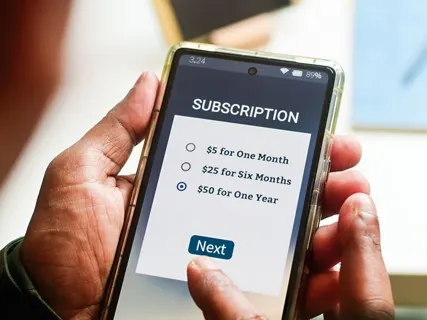
Remember running out of phone storage and deleting blurry screenshots, old downloads, and approximately 400 pictures of the same sunset? Now there’s a much easier solution: pay for cloud storage and keep everything. Services such as iCloud and Google One make backing up photos, syncing files, and switching between devices remarkably convenient, especially when losing a phone no longer has to mean losing years of memories.
The catch appears when you’ve stored thousands of photos, important documents, and random files across a service that expects regular payment. Cancelling can mean downloading everything, finding another place for it, checking which files are stored locally, and making sure nothing gets lost in the process. You may technically have alternatives, but after years of relying on automatic backups, moving everything can feel like a weekend project nobody asked for. Paying for another month suddenly seems easier.
Vikki Davies; World Finance
For Pakistani users, this can be an especially familiar dilemma. Many people buy phones with limited storage because higher-capacity models cost considerably more, then discover that keeping every photo and video requires additional cloud space. If you’re already paying a premium for a phone, the idea of paying again to store the things you create with it can feel ridiculous, even when the service itself is useful. And while cloud storage isn’t inherently a bad deal, it does mean that owning your device doesn’t necessarily give you complete control over your digital life.
AI tools and software are turning access into a monthly fee
AI has made the subscription question much more personal because people increasingly use these tools for work, university assignments, coding, research, image editing, and everyday problem-solving. A tool you originally opened just to see what the fuss was about can become something you rely on several times a day. Then you hit a usage limit, need a feature available on a paid plan, or discover that your workflow runs more smoothly with a subscription.
There’s a reasonable explanation for this. AI systems require computing resources, and developers need revenue to maintain their products. Paid plans can offer higher usage limits, additional features, or access to more capable models. The awkward part comes when you’ve organised your routine around a particular tool and paying becomes the easiest way to keep doing what you’ve already been doing. At that point, the subscription feels less like an exciting upgrade and more like another bill attached to your productivity.
Io Dodds; The Telegraph
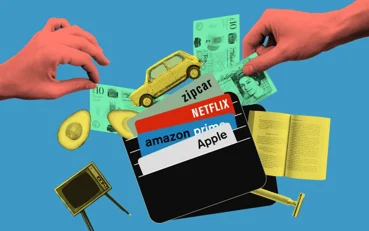
Traditional software has been moving in a similar direction for years. Design applications, office tools, video editors, and professional platforms increasingly rely on recurring payments rather than one-time purchases. For companies, subscriptions provide predictable revenue and help fund ongoing development. For users, they can mean paying indefinitely to keep access to tools they might have used for years.
In Pakistan, international software and AI subscriptions can also become more expensive once currency conversion, applicable taxes, and payment charges enter the picture. Students, freelancers, and small businesses may have to weigh these costs against what they actually earn from using the tools. When a subscription helps you land clients or finish work faster, it may be worth every rupee. When you barely use it, that monthly payment deserves a second look.
Streaming services are rebuilding the cable bundle
Streaming once felt like freedom from expensive television packages and rigid schedules. You could choose a platform, watch what you wanted, and cancel whenever you got bored. Then studios launched competing services, exclusive shows became bargaining chips, and keeping up with everyone’s recommendations started requiring multiple subscriptions. Somehow, the internet reinvented the cable bundle, except now you’re responsible for assembling it yourself.
The situation gets more complicated when you consider regional availability. Pakistani viewers may find that certain shows, films, or platforms aren’t available locally, or that the available catalogue differs from what people in other countries can watch. Some viewers turn to additional services or other ways of accessing content, while others simply wait for a title to become available. Either way, having a streaming subscription doesn’t guarantee that the thing you actually want to watch will be there.
There’s also a difference between buying something and paying for temporary access to it. A subscription library can remove a show when licensing agreements change, and your payment never meant you owned a permanent copy. Even purchasing digital media can come with limitations depending on the platform’s rights and terms. The result is an internet overflowing with entertainment, yet offering users limited control over where that entertainment lives or how long it remains accessible.
Digital ownership matters when every service has a renewal date
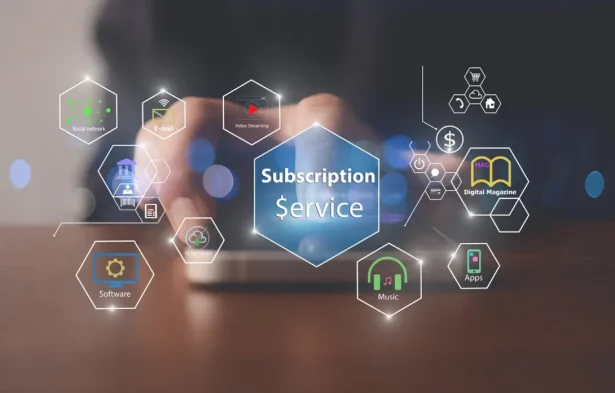
The bigger concern is what happens when so many parts of everyday life depend on services that can change their prices, features, or terms. Your photos are tied to one provider, your work depends on another, your entertainment is scattered across several platforms, and your favourite AI tool has become part of your routine. Cancelling everything isn’t as simple as cutting back on takeaways; it might mean moving files, learning new software, or rebuilding workflows you’ve spent years getting comfortable with.
Cheryl Robinson; Forbes
For people in Pakistan, where international digital services can be affected by currency fluctuations and payment restrictions, this dependence can carry an additional layer of uncertainty. A service that feels reasonably priced today may become less affordable when the exchange rate shifts. Freelancers who depend on paid creative tools or AI services may have to absorb those increases as a business expense, while students may find that several small subscriptions compete with other everyday costs. Digital convenience is useful, but its price doesn’t exist in a vacuum.
There are ways to keep some control. Save local copies of important files, check what happens to your data when a subscription expires, and make sure you can export your work into formats other tools can open. Review recurring payments every few months, especially services you signed up for during a free trial and promptly forgot about. Before paying for an upgrade, ask whether you genuinely need its features or whether the free version already does the job. These aren’t revolutionary life hacks; they’re basic ways to avoid becoming dependent on services you barely understand.
Subscriptions aren’t going away, and expecting every digital product to remain free forever isn’t realistic. Good software costs money to build and maintain, while reliable cloud services need infrastructure and AI tools require substantial computing resources. The real issue is how easily convenience can turn into dependence, particularly when switching providers becomes expensive, time-consuming, or simply exhausting. Before adding another subscription to your digital life, ask yourself one question: if you stopped paying tomorrow, what would you actually lose access to? The answer might reveal just how much of your everyday life you’ve been renting.