

Nvidia Reinstates Jensen Huang as CEO After Board Review
November 24, 2026
You opened Instagram to scroll, not to shop
Social commerce has made shopping feel like an accidental side quest. You’re scrolling through Instagram Reels, someone shows off a skincare product, and you pause because the packaging looks familiar. Then you check the comments, find three people asking for the link, watch a review on TikTok and somehow end up searching for its price. You opened Instagram to waste five minutes, and now you’re seriously considering buying a moisturiser you didn’t know existed half an hour ago.
It’s a familiar experience, especially if your social media feed is full of GRWM videos, outfit inspiration, skincare routines and product recommendations. A creator mentions a lip tint, someone else compares it with a more affordable option, and suddenly your feed is doing a surprisingly good job of convincing you that you need both. Shopping has slipped into the entertainment we already spend hours consuming, making it incredibly easy to move from watching something to wanting it.

Ben Stegner; Make Use Of
This is the idea behind social commerce, where social media platforms become part of the product discovery and purchasing process. Instagram, TikTok, YouTube and Pinterest each play a role, whether that’s introducing people to new brands, showcasing products or helping potential buyers research their options. For younger audiences, these platforms are increasingly where shopping decisions begin, even when nobody opens the app intending to spend money.
The shift is particularly interesting in Pakistan, where Instagram boutiques, TikTok recommendations and creator-led product discoveries have become familiar parts of online shopping. Someone might discover a clothing brand through an outfit video, visit its Instagram page, ask about delivery in the comments and eventually place an order through WhatsApp. The entire experience can happen without visiting a traditional online store, and sometimes without ever seeing a proper product catalogue.
The product is the content, and the content is the advertisement
Think about how often products appear in videos that aren’t technically about shopping. A creator is filming a GRWM, talking about their day and casually mentioning the foundation they’re wearing. Someone else is showing their apartment makeover, and suddenly viewers want to know where the lamp, mirror and bedsheets came from. Even desk setup videos have become an endless source of product recommendations, especially when everything looks suspiciously organised.
This is where creator marketing has changed the advertising game. Traditional advertisements usually make their intentions fairly obvious, while creator content can introduce products through everyday routines, personal experiences and recommendations. Viewers get to see how something looks in real life, hear someone’s opinion and decide whether it fits their own preferences. The product becomes part of a story people were already interested in watching.
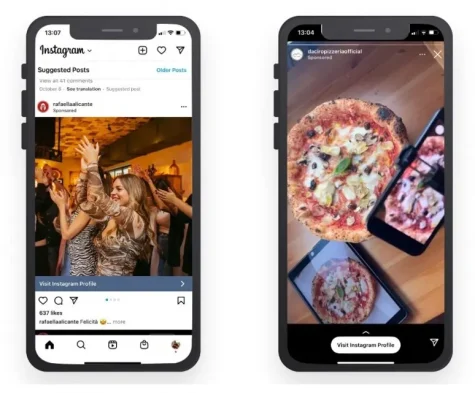
Anniston Ward; Metricool
There’s also a level of familiarity between creators and their audiences that brands are keen to tap into. People follow certain creators because they enjoy their style, humour or taste, and after watching someone for months, their recommendations can start to feel like advice from someone they know. This is often described as a parasocial relationship, and it helps explain why a creator’s favourite perfume can generate more interest than a polished advertisement featuring a celebrity.
Of course, there’s a difference between a genuine recommendation and a paid partnership, even when both look similar on screen. Creators may receive gifted products, earn commissions through affiliate links or work directly with brands, so it’s worth paying attention to promotional disclosures. That doesn’t automatically make a recommendation dishonest, but knowing when money is involved gives viewers a better idea of what they’re watching.
Your feed has become a personalised shop window
There’s a reason one video about a particular pair of sneakers can turn into an entire week of sneaker content. Social media recommendation systems look at signals such as watch time, likes, searches, saves and other interactions to decide what users might want to see. Even something as small as watching a video until the end can contribute to the kind of content that appears in your feed later.

Nyxone; Medium
Imagine you come across a video about a handbag. You pause to look at it, open the comments and watch another creator compare it with a cheaper alternative. Soon, you’re seeing styling videos, unboxings and reviews of similar bags. The platform has picked up on your interest, and your feed begins offering more of what it thinks you’ll enjoy. Before long, a product you hadn’t considered buying has become a familiar face on your screen.
Repeated exposure can make a product feel increasingly popular, especially when different creators start featuring it. This is partly why viral products can create such a frenzy. One week, everyone seems to be talking about a particular lip tint, water bottle or pair of headphones, and suddenly owning one feels like being in on a trend. Whether the product is genuinely brilliant or simply having a very successful week on TikTok can be difficult to tell.
Each platform contributes to this shopping experience differently. TikTok is particularly effective at introducing products through short videos and its For You feed, Instagram combines creator recommendations with visual discovery and brand pages, while YouTube gives people room to watch longer reviews before spending their money. Pinterest also plays a role, especially when someone is saving outfit ideas, room inspiration or aesthetic mood boards and wants to find the products behind them.
From comment sections to carts: How social proof sells
Once a product catches your attention, the next stop is often the comments. Someone posts a review of a foundation, and viewers immediately want to know whether it works on oily skin, what shade they should buy and whether it’s worth the price. A creator recommends a pair of headphones, and the replies turn into a discussion about battery life, sound quality and cheaper alternatives. The comment section has become part of the shopping research process, sometimes more useful than the product description itself.
This is an example of social proof, where people use other people’s experiences to help make decisions. A recommendation can feel more convincing when it comes from someone with a similar budget, skin type or lifestyle. That’s also why people often search Reddit threads, watch comparison videos or look for customer photos before buying something they’ve discovered on social media. They want to know what happens after the pretty packaging and carefully edited video.

Kate Lindsay; The Guardian
In Pakistan, this extra research can be especially useful when buying from smaller Instagram stores. Customers often check tagged posts, read comments, look for customer reviews and ask about delivery or exchange policies before placing an order. A product might look great in a creator’s video, but buyers still want to know whether the actual item will match the pictures, whether the seller is reliable and how long delivery will take. A convincing Reel can get someone’s attention, but a few unanswered questions can easily stop a sale.
The downside is that popularity can be misleading. Viral products sometimes sell out because everyone wants to try them, while sponsored recommendations and exaggerated reviews can make average products seem extraordinary. When several creators promote the same item, it’s easy to assume that everyone genuinely loves it, even when some of those recommendations are part of paid campaigns. A little scepticism goes a long way, especially when a product suddenly appears on every second feed.
When your feed becomes a store, who’s actually selling to you?
There’s a whole business model behind this experience, and everyone involved has something to gain. Brands want people to discover their products, creators want to earn through partnerships and affiliate commissions, and social platforms want users to keep watching and interacting. Shopping gives each of them another reason to stay connected, while audiences get an endless supply of products, recommendations and reviews.

Claudio Pires; Visualmodo
For smaller businesses, this can be a genuinely useful opportunity. An independent Pakistani clothing label or jewellery brand can reach thousands of potential customers through a creator’s video, without needing the advertising budget of a major retailer. A niche skincare business can build an audience through educational content, while a local Instagram boutique can turn customer styling videos into its own form of promotion. Social commerce has made product discovery more accessible to businesses that might otherwise struggle to get noticed.
At the same time, there’s a lot happening between seeing a product and deciding you need it. When your feed is constantly introducing new trends, products and aesthetics, it can become difficult to tell whether something genuinely interests you or whether you’ve simply seen it often enough to want it. One minute you’re watching someone’s holiday vlog, the next you’re looking at the exact sunglasses they wore, followed by a list of similar styles you could order.
That doesn’t mean social shopping is automatically a bad thing. It can help people discover independent brands, find useful products and hear honest experiences from other buyers. The interesting question is how consciously we’re making those purchases when entertainment, recommendations and advertising are all sharing the same space.
The modern shopping mall can now fit inside the apps you already open every day. There are no opening hours, no closing announcements and certainly no shortage of new things to look at. There’s just another Reel, another product link and another creator telling you why something is worth trying. And somewhere between watching, saving and checking the comments, your casual scroll has turned into a shopping trip.