
COLABS Expands Saudi Presence with Local Growth Strategy
July 30, 2026
Bank Alfalah, Ahya Technologies Take On Pakistan’s Climate Finance Gap
July 31, 2026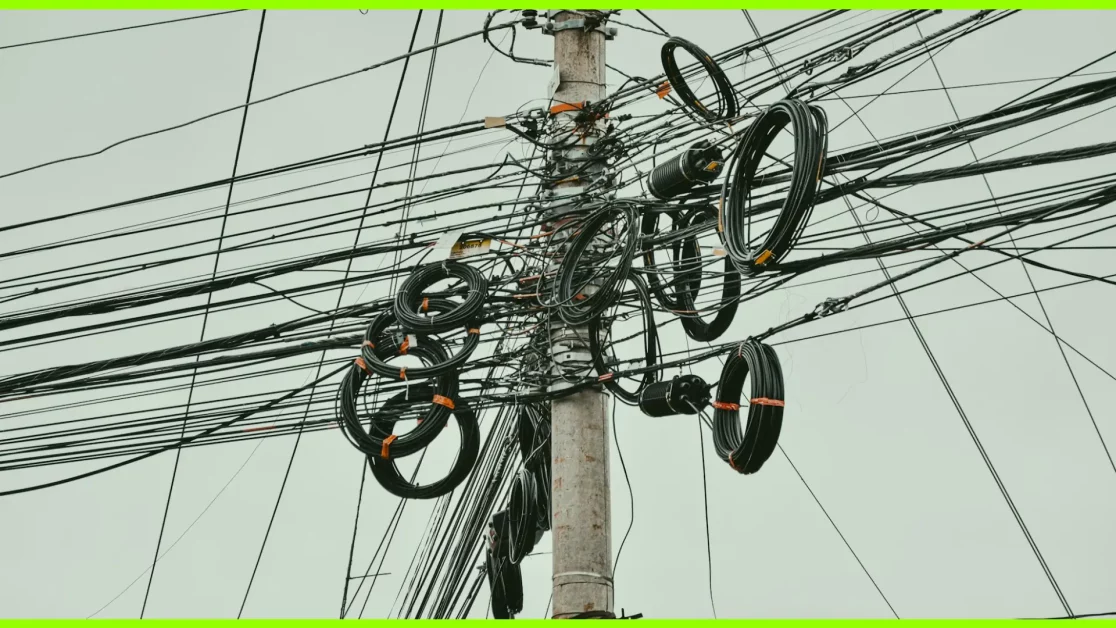
Pakistan plans a cheaper electricity package as Nepra questions Discos’ performance, transmission bottlenecks and prolonged outages during a critical regulatory hearing.
Pakistan’s Power Division is developing a proposal to offer more affordable electricity in an effort to encourage greater power consumption, with the package expected to be presented to the National Electric Power Regulatory Authority (Nepra) after receiving the required approvals. The plan was discussed during a public hearing on the Fuel Charges Adjustment (FCA) for June 2026, where regulators also questioned the operational performance of electricity distribution companies (Discos).
The hearing brought together senior officials from Nepra, the Power Division, the Central Power Purchasing Agency-Guarantee (CPPA-G), the Independent System and Market Operator (ISMO) and the Power Planning and Monitoring Company (PPMC). Alongside discussions on electricity pricing, participants reviewed demand trends, grid limitations and the financial implications of the power sector.
During the proceedings, PPMC Chief Financial Officer Naveed Qaiser said the performance of Discos had improved over the last fiscal year. However, Nepra’s Member (Development) disagreed, stating that there had been “no real improvement”</a>in curbing distribution losses and arguing that the problem had merely shifted to regions with widespread electricity theft rather than being resolved.
Qaiser linked the 3.3% fall in electricity consumption during June 2026 to the Eid holidays and comparatively milder weather. Nepra officials challenged that explanation, with one official remarking, “I am not ready to accept this argument. There were protests in June due to prolonged power outages. Discos deliberately suppressed consumption; otherwise, temperature trends would not justify such a decline.” The official further noted that some consumers experienced load shedding lasting up to 22 hours a day in areas where outages are tied to bill recovery, leading to widespread protests.
The regulator also expressed concern over transmission network limitations that continue to restrict the transfer of lower-cost electricity generated in southern Pakistan to northern demand centres. Officials noted that differing assessments by the National Grid Company and ISMO have complicated efforts to address the issue, highlighting the need for a coordinated technical solution.
Qaiser also confirmed that two major generating facilities—the 969-megawatt Neelum-Jhelum Hydropower Project and the 747-megawatt Guddu Combined Cycle plant—remain non-operational because of negligence, adding that responsibility should be determined. Regarding the Quarterly Tariff Adjustment for April to June 2026, he estimated an impact of around Rs17-18 billion, equivalent to approximately Rs0.70 per unit, while noting that higher figures submitted by Discos still require verification.
Wrapping up the hearing, Nepra Chairman Waseem Mukhtar requested a detailed timeline for resolving transmission bottlenecks and instructed officials to carry out a comprehensive study on reducing the financial burden created by power plants operating in start-up mode. The findings are expected to shape future regulatory decisions as the government moves forward with its proposed electricity relief package.