
UK, Pakistan Advance £35m Green Compact
June 10, 2026
ABHI Partners With Squadio For Wage Access
June 11, 2026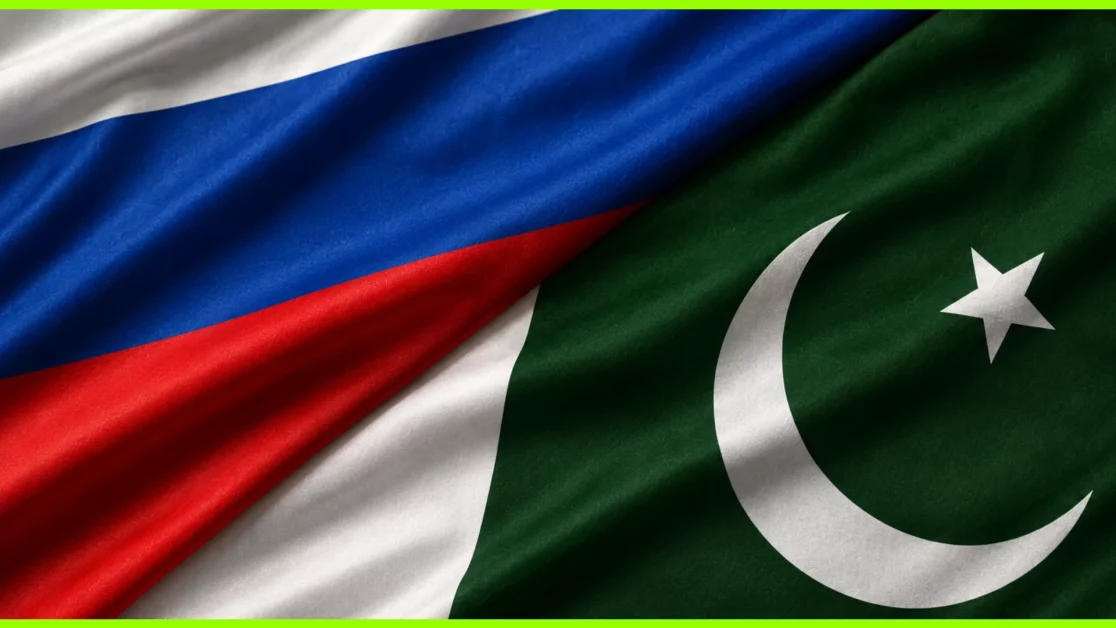
Pakistan and Russia are working towards signing a long-term economic cooperation programme through 2030, while exploring measures to boost trade, investment, connectivity, and alternative payment mechanisms between the two countries.
Pakistan and Russia have agreed to advance a Programme of Economic Cooperation through 2030 aimed at expanding bilateral trade, investment, energy collaboration, and regional connectivity, as both countries seek to strengthen economic ties and remove longstanding barriers to business cooperation.
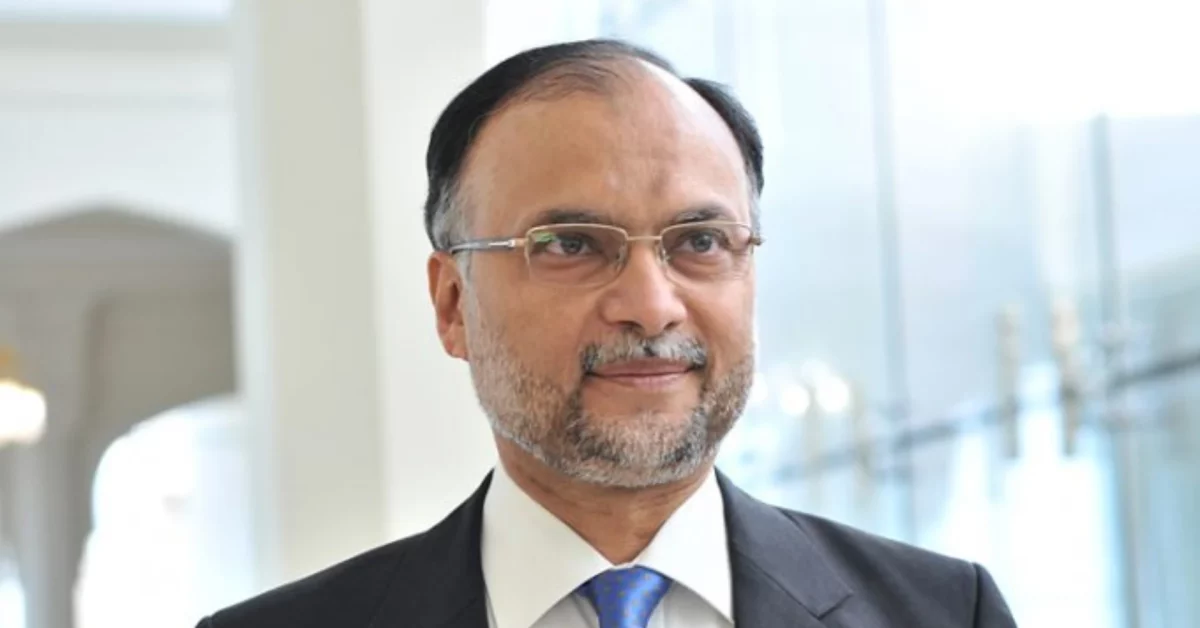
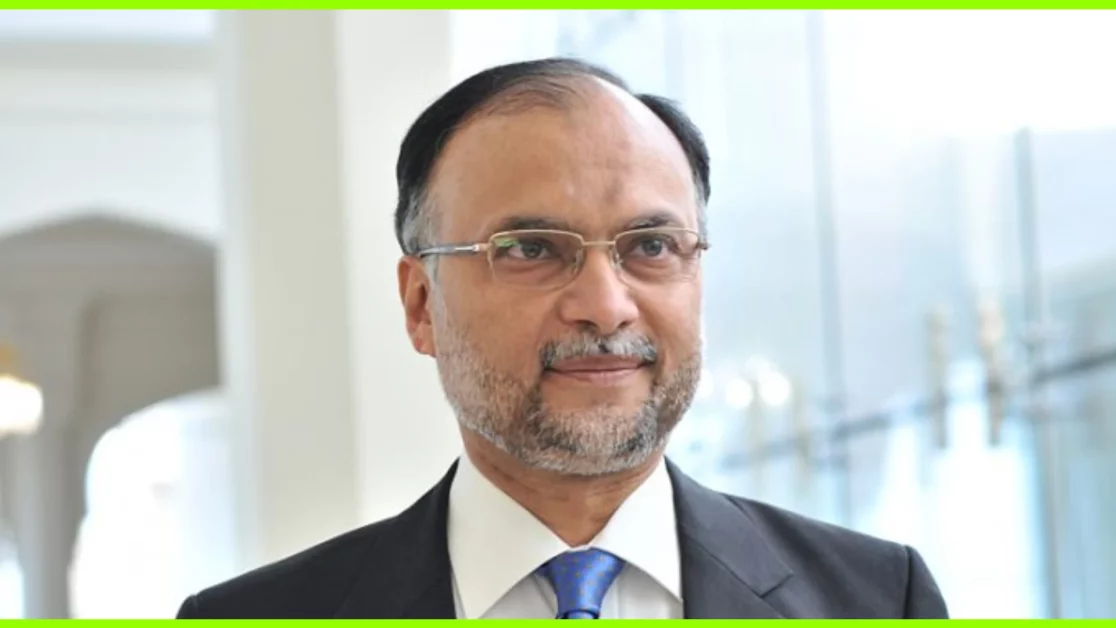
According to The Express Tribune and Pakistan Today, the initiative was highlighted during a webinar titled “Pakistan-Russia Bilateral Relationship at the Cusp of Shifting Global Order”, where Federal Minister for Energy (Power Division) Awais Ahmed Khan Leghari outlined the growing momentum in relations between Islamabad and Moscow.
A key component of the proposed framework is the development of a roadmap to address obstacles affecting bilateral trade and investment. One of the major challenges has been restrictions on dollar-denominated transactions resulting from international sanctions on Russia. To overcome this hurdle, Pakistan has proposed currency swap arrangements with Russia and Iran that would allow trade settlements in local currencies. Both countries are currently reviewing the proposal.
Pakistan has also agreed to join the International North-South Transport Corridor (INSTC), a major connectivity initiative supported by Russia. The corridor is expected to be linked with Gwadar Port, creating new trade routes connecting Central Asia, Russia, Iran, and South Asia.
Russian Deputy Prime Minister Alexey Overchuk recently endorsed the inclusion of Gwadar Port in the transport corridor, which is designed to complement regional connectivity initiatives and facilitate greater economic integration across Eurasia.
Discussing the broader trajectory of bilateral relations, Leghari said ties between the two countries had evolved significantly over the past two decades.
“The residual distrust from the Soviet era has faded,” the minister said, noting that Pakistan-Russia cooperation now spans trade, energy, defence, technology, security, and strategic dialogue.
He also highlighted the importance of the Russia-Pakistan Intergovernmental Commission (IGC), which serves as a key platform for advancing cooperation across multiple sectors. According to the minister, regular engagement between Pakistani and Russian officials has strengthened collaboration on regional security, counter-terrorism, strategic stability, and multilateral diplomacy.
The minister further noted that recent high-level engagements, including meetings between Prime Minister Shehbaz Sharif and Russian President Vladimir Putin, have contributed to stronger bilateral understanding and economic cooperation.
In addition, the recently signed Russia-Pakistan Readmission Agreement is expected to facilitate business travel, streamline visa procedures, and encourage greater people-to-people exchanges. Officials believe these developments will help unlock new trade and investment opportunities while reinforcing Pakistan’s role in broader Eurasian economic integration.