
Meta Is Turning Surveillance into the Next Fashion Trend
July 16, 2026
Pakistan to Roll Out AI Diagnostics Across 1,110 Hospitals Nationwide
July 17, 2026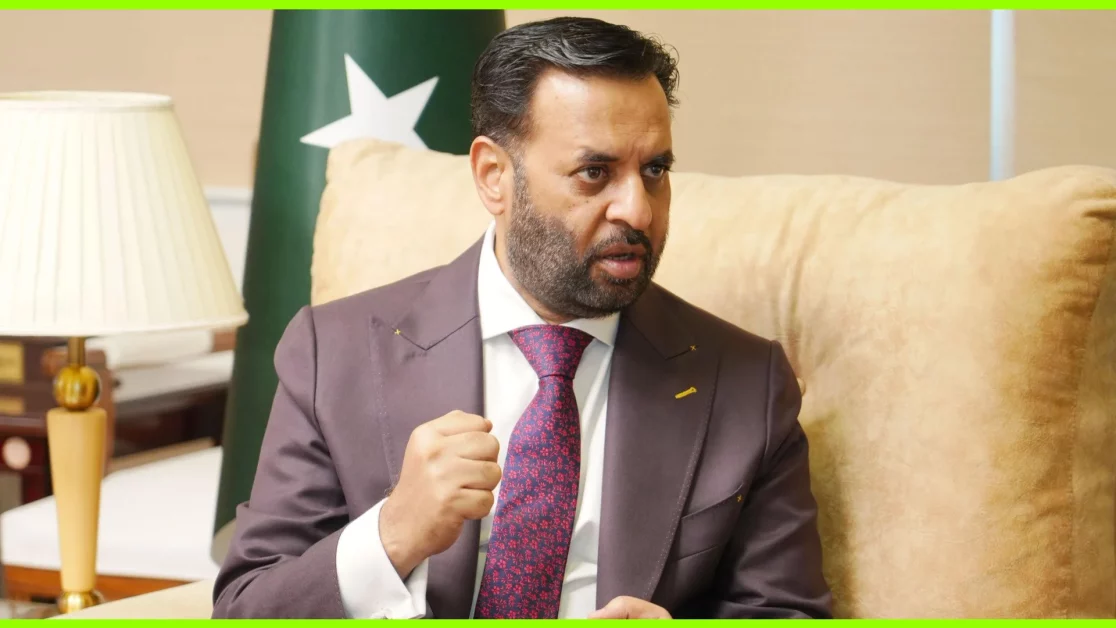
Pakistan expects binding China-Pakistan health deals to unlock investment, local pharmaceutical production and technology transfer at a landmark Islamabad conference.
Pakistan is set to host a major health-sector investment conference in Islamabad this week, with the government expecting Chinese and Pakistani companies to finalize binding commercial agreements aimed at boosting investment and advancing technology transfer. Health Minister Mustafa Kamal said the two-day business-to-business event marks a significant departure from traditional investment forums, as participating companies have already spent nearly a month holding pre-event discussions.
Speaking at a press conference, Kamal stressed that the conference is focused on securing legally enforceable deals rather than preliminary understandings. “We will sign agreements, not MoUs, God willing. Agreements are binding,” he said during the briefing.
The conference will bring together 180 delegates representing 160 Chinese companies alongside officials and executives from around 340 Pakistani businesses. Discussions will span six priority segments of the healthcare industry, including active pharmaceutical ingredients (APIs), biotechnology, vaccines, medical devices, generic medicines, injectables, clinical trials and traditional herbal medicines.
Kamal highlighted Pakistan’s dependence on imported pharmaceutical inputs despite its strong domestic manufacturing base. “The raw material of medicines should be made in Pakistan,” he said, emphasizing the government’s ambition to develop local production capacity and reduce reliance on imported ingredients.
According to the minister, Pakistani authorities collaborated with the country’s embassy in China to identify sectors offering the strongest investment opportunities before connecting Chinese firms with potential local partners. The government believes this targeted matchmaking process has laid the groundwork for commercially viable partnerships that could extend beyond the conference itself.
Looking ahead, Kamal described the initiative as a pivotal opportunity for Pakistan’s healthcare industry. “That is going to be the game changer, a paradigm shift when it comes to a health sector’s investment in Pakistan or technology of transfer,” he said, expressing confidence that the agreements could strengthen the country’s pharmaceutical capabilities while attracting long-term foreign investment and advanced medical technologies.