
Pakistan Expects Binding China Health Investment Agreements
July 17, 2026
easypaisa, EFU Life Launch Digital Islamic Takaful Savings
July 18, 2026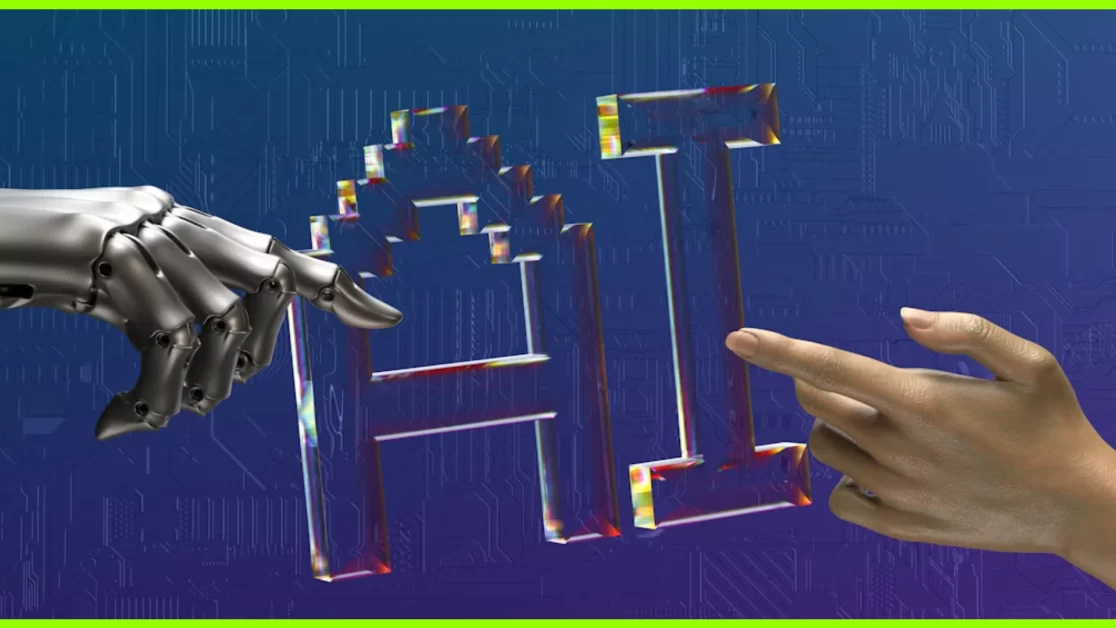
Pakistan plans to deploy an Alibaba-backed AI diagnostic system across 1,110 hospitals under the PM Health Card Programme, targeting 200 million Pakistanis for faster disease detection.
Pakistan is preparing to make one of the most ambitious leaps in its healthcare history. The federal government is planning to deploy an artificial intelligence-powered diagnostic system across 1,110 public and private hospitals nationwide, under the Prime Minister’s Health Card Programme.
The initiative, backed by a forthcoming partnership with the Alibaba Group, aims to bring faster, more accurate diagnosis of complex diseases including cancer and neurological disorders to nearly 200 million Pakistanis.
An agreement between the PM Health Card Programme and Alibaba Group is expected to be signed next month. Prime Minister Shehbaz Sharif has personally invited the head of Alibaba Group to visit Pakistan, signalling the strategic weight being placed on the partnership.
According to an official statement issued by the Press Information Department, Alibaba-linked DAMO Academy and Sky47 will deploy AI-powered disease screening systems across major Pakistani cities as part of a broader healthcare technology cooperation framework.
The nationwide rollout covers Islamabad, Punjab, Khyber Pakhtunkhwa, Balochistan, Gilgit-Baltistan, and Azad Jammu and Kashmir, making it a truly federal initiative. Officials believe the AI-driven platform will not only improve diagnostic accuracy but also significantly reduce costs, potentially saving the government billions of rupees in healthcare expenditure.
The financial scale of Pakistan’s health card programmes underscores what is at stake. The federal government currently spends around Rs10 billion annually on the PM Health Card Programme, while Punjab allocates approximately Rs60 billion, Khyber Pakhtunkhwa more than Rs40 billion, and Balochistan around Rs10 billion for their respective programmes. Introducing AI-driven triage and diagnostics into this ecosystem could dramatically improve return on that combined investment.
In a related development, Punjab Health Minister Khawaja Salman Rafique announced that the Nawaz Sharif Institute of Cancer Treatment and Research Center will become Pakistan’s first fully free government cancer hospital.
Rafique confirmed that no patient would be denied treatment at the facility, including those with stage three and stage four cancer, underscoring the government’s push to address one of the country’s most underfunded disease categories.
The Alibaba-backed deployment arrives as Pakistan deepens its technology ties with China across multiple sectors. Earlier this week, Pakistan also tapped into China’s AI weather system for monsoon monitoring, suggesting a broader pattern of AI-enabled cooperation that is beginning to touch critical public infrastructure.
For a country where specialist diagnostic capacity is heavily concentrated in urban centres, the promise of AI-powered screening in district hospitals and underserved regions is transformative. Whether the rollout meets its timeline and scale will be the true test of Pakistan’s ambition.