
FBR to Brief PM on Digital Tax Reforms
October 20, 2026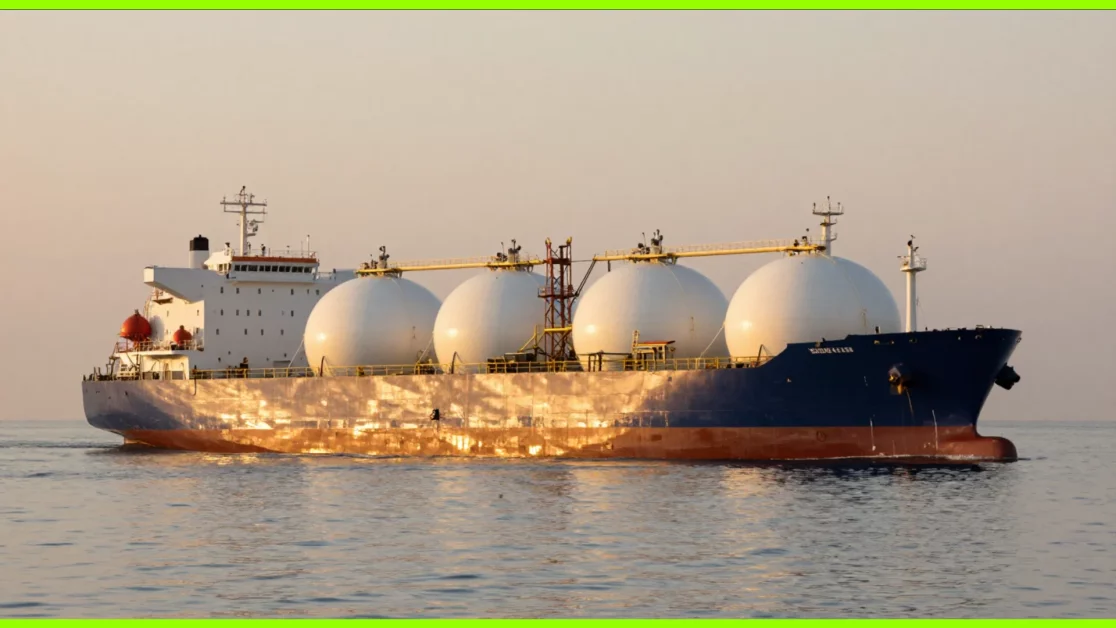
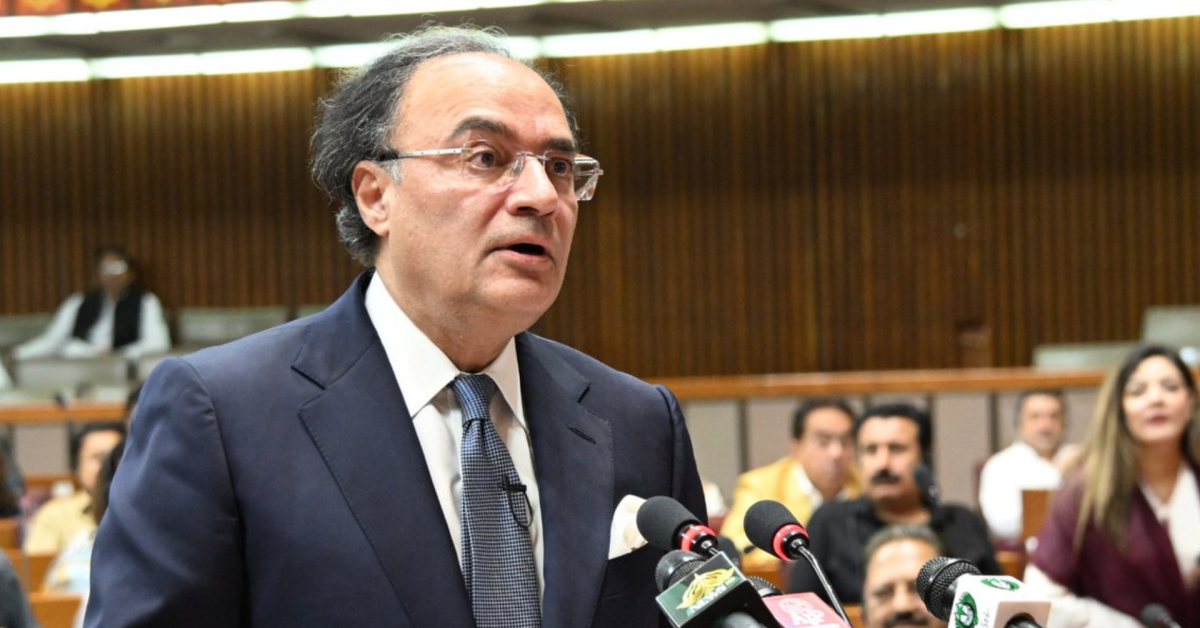
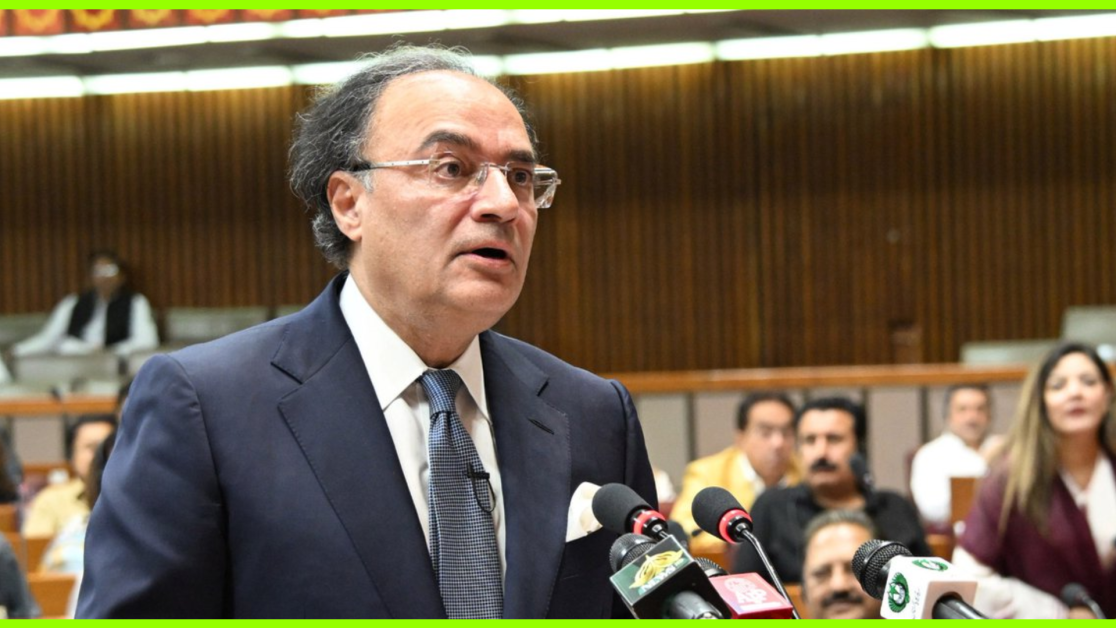
Pakistan has secured energy supplies through November despite global price shocks linked to the Iran war, but Finance Minister Muhammad Aurangzeb warns that attacks on Gulf energy infrastructure could prolong disruptions and threaten the country’s economic outlook.
Pakistan has secured sufficient energy supplies to meet domestic requirements through November 2026, despite rising global prices linked to the Iran war. However, Finance Minister Muhammad Aurangzeb has warned that continued attacks on energy infrastructure in Saudi Arabia and other Gulf countries could prolong market disruptions and put additional pressure on the country’s economic outlook.
Speaking to AFP on the sidelines of the IMF-World Bank Annual Meetings in Bangkok, Aurangzeb said Pakistan had managed the immediate effects of higher energy prices without experiencing fuel shortages or queues at petrol stations. The government is now preparing for increased household energy demand during the winter months.
“The first-order impact has been negotiated well by Pakistan,” Aurangzeb said, adding that the country had avoided shortages and supply-related public disruption.
According to Profit, the government is also seeking to avoid expensive liquefied natural gas (LNG) purchases from the spot market, relying instead on previously contracted supplies unless additional cargoes become essential.
Aurangzeb said Pakistan would avoid spot LNG purchases unless there was “an absolute dire need”, given the substantially higher cost of buying supplies at prevailing market prices.
The strategy comes amid continuing regional hostilities that have disrupted oil and gas flows and pushed international energy prices higher. Attacks targeting energy facilities and other critical infrastructure in the Gulf have raised concerns about the resilience of regional supply chains.
In a related report, Dawn highlighted the finance minister’s warning that infrastructure damage could delay a return to normal conditions even if hostilities ease.
“What is now (the) worrying part of it is when the energy infrastructure starts getting hit,” Aurangzeb said.
He added that continued damage could mean “the return to normalcy, even if things subside, will take longer.”
Beyond energy security, Aurangzeb said Pakistan’s fiscal consolidation efforts had improved its ability to withstand external shocks. The country is operating under a three-year, approximately $7 billion International Monetary Fund programme and recently reached an agreement for a further $1.2 billion tranche.
The government is also working to improve tax collection, address evasion and broaden the revenue base, although these reforms have faced resistance from businesses and industry groups.
Pakistan’s immediate energy position appears stable through November, but the outlook will depend on winter demand, global prices and the duration of regional infrastructure disruptions.