
Pakistan Sets $100bn Export Goal by 2035
October 17, 2026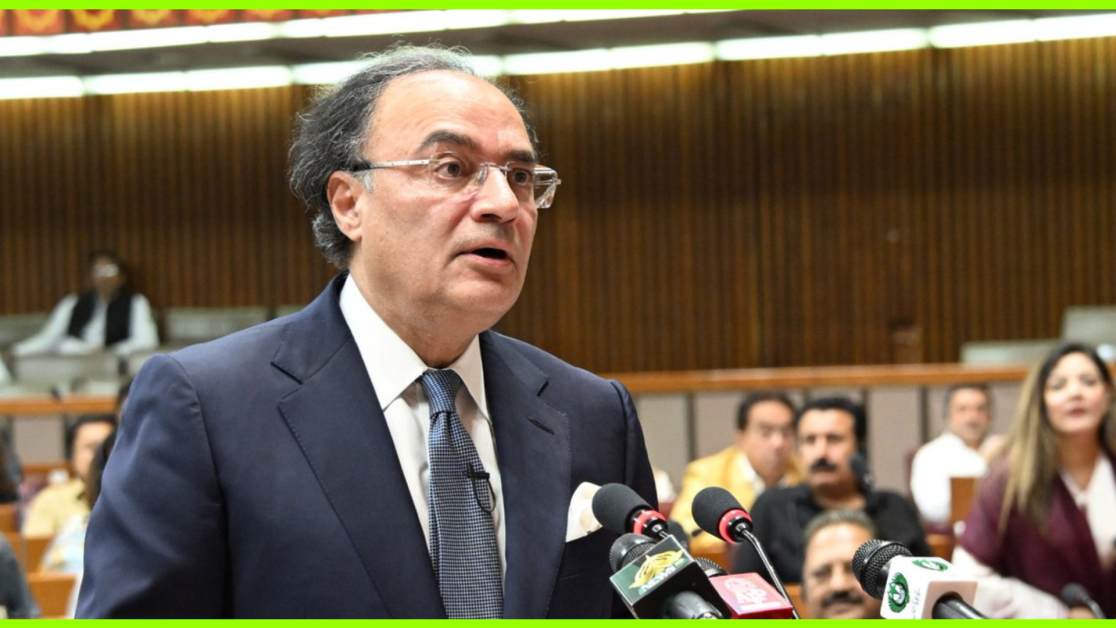
Pakistan will chair the World Bank and IMF boards in 2027 as Finance Minister Muhammad Aurangzeb pushes private investment, structural reforms and sustainable growth to strengthen the economy.
Pakistan is set to chair the boards of governors of the World Bank Group and the International Monetary Fund (IMF) in 2027 for the first time since 1953, giving the country a greater role in discussions on global economic and development priorities. The development comes as Islamabad seeks to strengthen investor confidence, sustain economic recovery and shift from stabilisation towards investment-led growth.
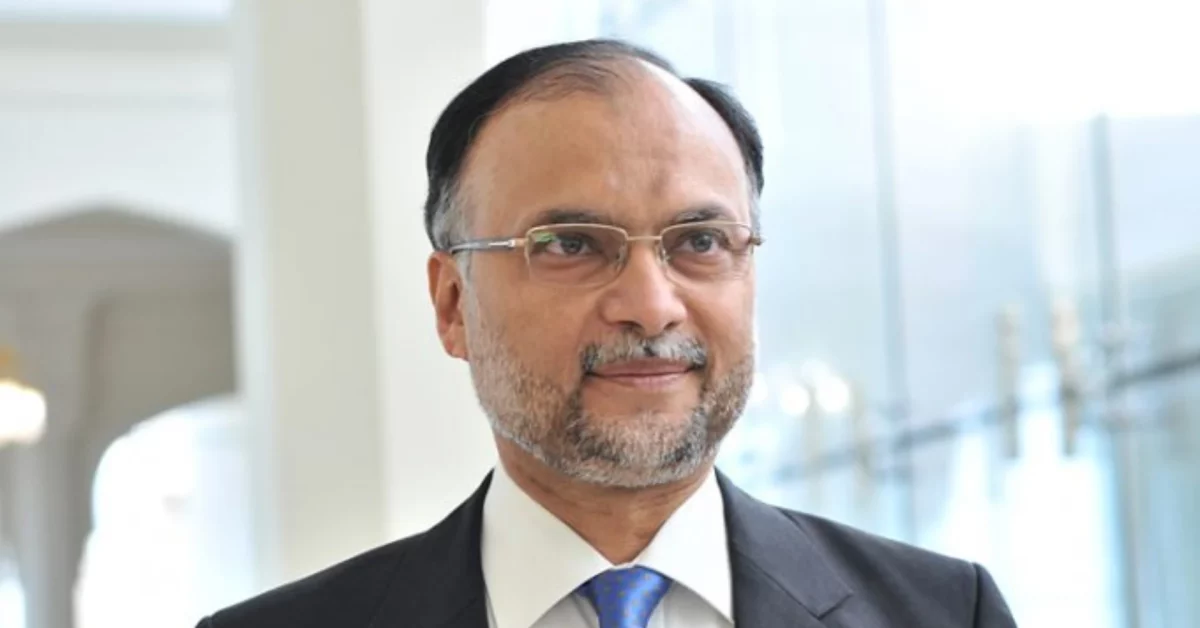
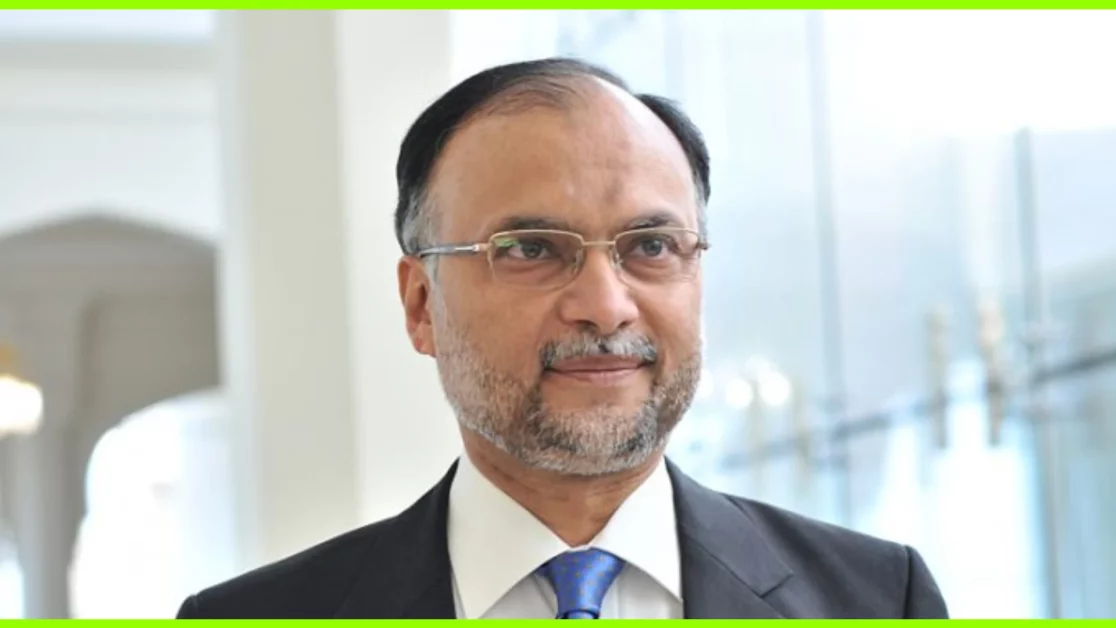
Federal Minister for Economic Affairs Ahad Cheema was nominated to chair both institutions during the World Bank Group and IMF Annual Meetings in Bangkok. According to the Ministry of Economic Affairs, the appointment will require coordination with member countries and the institutions on development financing, international economic challenges and financial cooperation.
Cheema said Pakistan remained committed to amplifying the voice of developing nations in international economic forums. His priorities include mobilising private investment, improving development financing and strengthening cooperation among multilateral institutions.
Meanwhile, Finance Minister Muhammad Aurangzeb has emphasised that Pakistan’s long-term economic progress will depend on private-sector investment rather than government spending or consumption-led expansion. Speaking at the Overseas Investors Chamber of Commerce and Industry in Karachi, he said the government’s role was to provide a business-friendly environment while businesses led growth, innovation and employment.
Aurangzeb said Pakistan’s economy had moved from contraction and stabilisation towards recovery, with gross domestic product growing 3.7% in FY2026 and growth of around 4% projected for FY2027. He stressed that sustaining this progress would require productivity improvements, export expansion and continued structural reforms.
The government is pursuing reforms in taxation, energy, state-owned enterprises, privatisation and public finance. Aurangzeb said the number of tax filers had exceeded 5.7 million, compared with approximately 3.9 million a year earlier, while digitalisation was helping strengthen revenue collection and tax administration.
Private investment is also being encouraged across mining and minerals, agriculture, technology, oil and gas, refinery upgrades and infrastructure. The government is seeking to deepen capital markets and expand financing for small businesses, housing and agriculture to channel domestic savings into productive activity.
During discussions with the Atlantic Council in Bangkok, Aurangzeb also highlighted Pakistan’s improving economic outlook, efforts to diversify financing sources and plans to expand digital payments and technology skills. He said structural reforms and private-sector participation would be essential to achieving sustainable growth.
Pakistan’s upcoming international chairmanship offers an opportunity to influence global financial discussions, but domestic results will depend on consistent policy implementation. Attracting investment, expanding exports and improving productivity remain central to turning economic recovery into lasting prosperity.