
Pakistan Considers ByteDance’s Lark to Modernise Workplace Collaboration
October 19, 2026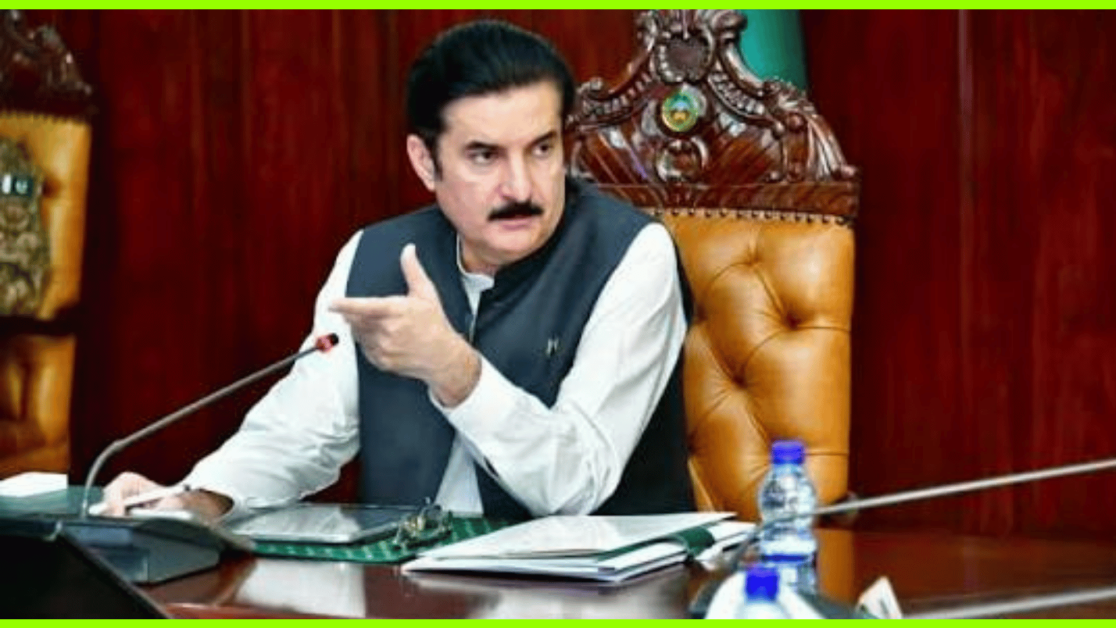
KP Governor Faisal Karim Kundi has invited foreign and local firms to exploit the province’s mineral, oil and gas reserves, promising jobs and growth amid security concerns and political opposition.
Khyber Pakhtunkhwa Governor Faisal Karim Kundi has invited domestic and foreign companies to invest in the province’s mineral sector through joint ventures, pledging to extract and sell its natural resources to drive economic growth. The announcement comes amid heightened political tensions following the imposition of Governor’s Rule in the province.
Speaking to reporters in Peshawar on Saturday, after attending the 59th convocation of the College of Physicians and Surgeons Pakistan, Kundi said the province’s mineral wealth could generate employment, strengthen local businesses and improve living standards. “Our province is rich in minerals, and we will extract and sell these minerals,” he said, adding that agreements would be pursued to promote prosperity.
The governor defended partnerships with international companies, questioning opposition to foreign investment when it benefits Pakistani businesses and local communities. He also called for the extraction of oil and gas reserves, arguing that economic opportunities and access to education could help communities resist extremist narratives.
However, the proposed investment drive comes against the backdrop of concerns about governance in the minerals sector. An Auditor General of Pakistan report flagged Rs16.94 billion in irregularities in the provincial Minerals Department, including Rs8 billion in losses attributed to illegal mining.
Pakistan has 92 known minerals, of which 52 are commercially extracted, while its mineral reserves are estimated at $8 trillion. Despite this potential, the sector contributes less than 3% to national GDP, highlighting the gap between resource wealth and economic returns.
Kundi also linked development to the province’s security challenges, saying restoring peace and maintaining law and order remained priorities. He pledged greater investment in police services and plans to develop 10 to 12 terrorism-affected districts as model areas for peace and security.
The governor’s remarks also intensified a political dispute with Jamiat Ulema-e-Islam-Fazl chief Maulana Fazlur Rehman, who opposes Governor’s Rule. Kundi maintained that the administration would continue functioning despite the JUI-F leader’s objections and urged political rivals to cooperate on development and security.
Governor’s Rule was authorised by President Asif Ali Zardari on October 11 under Articles 232 and 234 of the Constitution, following advice from Prime Minister Shehbaz Sharif. Kundi now heads an 11-member advisory council overseeing major provincial departments.
Meanwhile, opposition leader Mahmood Khan Achakzai warned against the forcible appropriation of Pashtun communities’ natural resources, demanding negotiations and a peaceful, consensual jirga. His remarks underscore a central challenge facing the investment push: attracting capital while addressing local ownership concerns, transparency and security.