
PTA Targets Pakistan’s Persistent Telecom Gaps
October 18, 2026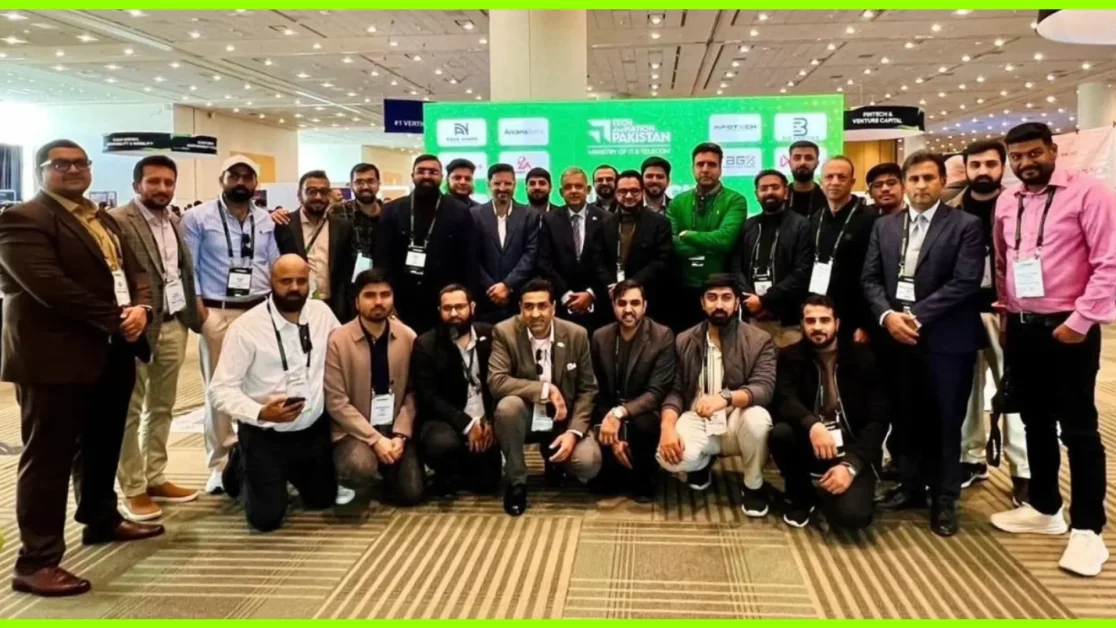
Twenty Pakistani tech companies showcased products at TechCrunch Disrupt 2026 in San Francisco, backed by Pakistan’s US Ambassador and the Embassy’s full diplomatic support for US market entry.
Pakistan sent one of its most visible delegations yet to the heart of global technology. Twenty Pakistani technology companies exhibited their products and solutions at TechCrunch Disrupt 2026, held from October 13 to 15 at Moscone West in San Francisco, in a coordinated push to expand the country’s IT sector’s international footprint, attract US investment, and build commercial partnerships in the world’s most consequential technology market.
The Pakistan Pavilion, set up within one of the tech industry’s most prestigious annual gatherings, brought together startups and established IT firms showcasing innovations across various technology sectors.
The event draws early-stage founders, venture capitalists, software professionals, and industry leaders from across the globe, making it one of the most competitive stages a technology company can stand on.
Pakistan’s Ambassador to the United States, Rizwan Saeed Sheikh, met with the participating company representatives and urged them to leverage their presence in Silicon Valley to build lasting commercial partnerships and actively explore investment opportunities in the US market.
He assured them of the full support of Pakistan’s diplomatic missions across the United States in facilitating business connections with American partners.
The ambassador highlighted the growing capabilities of Pakistan’s technology industry and stressed the importance of strengthening Pakistan-US cooperation in information technology, innovation, and digital entrepreneurship. He encouraged the companies to position Pakistan as a competitive and reliable partner in the global digital economy.
The TechCrunch Disrupt appearance comes at a moment of deliberate and accelerating Pakistani tech diplomacy. Earlier this year, Pakistan also exhibited at LEAP 2026 in Riyadh, where IT Minister Shaza Fatima showcased the country’s digital transformation agenda and held high-level meetings with Saudi Arabia’s AI and data authority.
Pakistan’s tech firms have also been expanding in the Gulf under a structured AI Hub framework agreed between the two governments.
Taken together, these engagements reflect a Pakistani IT sector that is no longer waiting to be discovered. It is actively walking into rooms where decisions are made and capital is deployed, with diplomatic backing to match.
For a country that has long relied on word-of-mouth and freelancing platforms to monetise its technology talent, the shift toward conference diplomacy and pavilion presence at the world’s top tech events represents a meaningful strategic upgrade.