
Pakistan Secures $3 Billion in Record Eurobond Sale
September 4, 2026
Pakistan’s 5G Rollout Slows Amid Rising Power Costs
September 5, 2026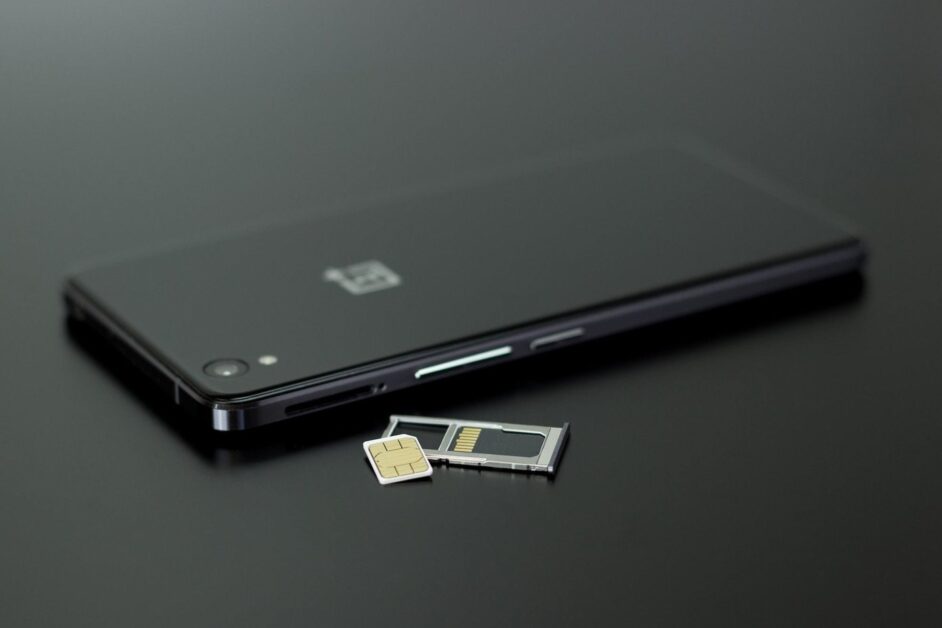
PTA told lawmakers that 18.2 million SIMs were blocked over 2.5 years, while Rs4.5 billion in fines were imposed on telecom operators.
The misuse of mobile connections and citizens’ biometric information emerged as a major concern before a National Assembly committee, as authorities detailed the scale of action taken against illegal SIMs and telecom-related violations.
The Pakistan Telecommunication Authority (PTA) informed the National Assembly Standing Committee on Interior and Narcotics that approximately 18.2 million SIMs had been deactivated during the past two and a half years. Cellular operators were also penalised a combined Rs4.5 billion for various regulatory violations.
The briefing, held under the chairmanship of Raja Khurram Shahzad Nawaz, also included information from the National Cyber Crime Investigation Agency (NCCIA) regarding the exploitation of personal information in criminal activities.
NCCIA officials said biometric information belonging to nearly 600,000 individuals was recovered during a single raid. In another investigation in Faisalabad, authorities found a suspect in possession of 195 active SIMs, 16 smartphones and 81 ATM cards. Officials raised concerns that some telecom-company personnel had allegedly supplied customer information to unauthorised parties.
Lawmakers were also informed about a case involving the fraudulent use of biometric information. A woman in Rajanpur reportedly provided her thumb impression after being told it was required for ration-related assistance. Her biometric data was later allegedly used to register a SIM that was connected to a terrorism case.
According to the NCCIA, stolen biometric information and unlawfully obtained SIMs have increasingly become tools for financial crimes. The agency is also pursuing cases involving the compromise of WhatsApp accounts.
The committee chairman questioned how criminals were obtaining citizens’ fingerprints and exploiting thumb impressions to gain access to financial services. He said he himself had received repeated fraudulent calls and had also faced a WhatsApp hacking incident.
To strengthen the identification process, the NCCIA proposed greater use of facial and iris recognition, along with immediate alerts whenever a SIM is registered in a person’s name. It also called for closer information-sharing between NADRA, the PTA, banks, telecom companies and law-enforcement bodies.
Minister of State for Interior Talal Chaudhry highlighted another emerging threat, saying criminals were increasingly paying individuals to provide access to their bank accounts. Such account holders, he said, could receive a share of the money generated through illicit transactions.
The committee instructed the Interior Ministry, PTA and cellular operators to work jointly on closing the identified gaps and report back on progress.
Members also took up administrative issues involving the transfer and digitisation of land and revenue records between Islamabad and Rawalpindi. A proposed briefing concerning an Islamabad Bar Council order was postponed.
The committee further sought a briefing from Islamabad Police on security conditions, narcotics control and the Safe City programme. It directed authorities to restore non-functional surveillance cameras and ensure FIRs are registered against drug offenders, with a dedicated meeting to examine the matter further.