
Punjab’s New Digital ID Plan for 15 Million Students
August 6, 2026
Pakistan, Netherlands Eye Stronger Trade and Investment Cooperation
August 7, 2026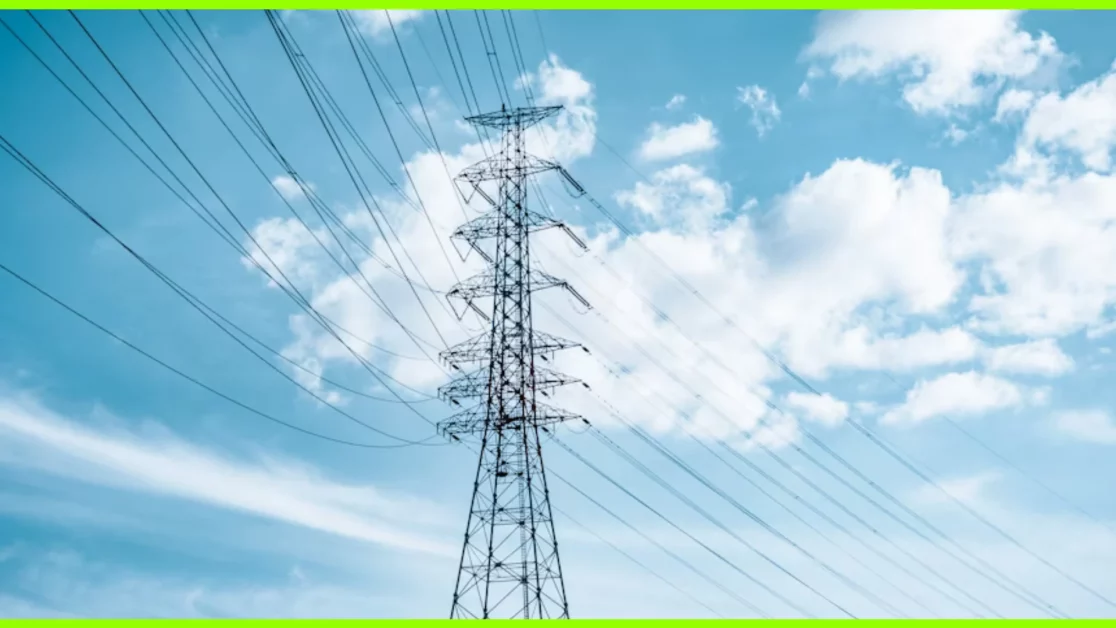
Power sector investors want longer tariffs, stronger regulatory safeguards and operational flexibility before bidding for Pakistan’s electricity distribution companies.
Potential investors interested in the proposed privatisation of Faisalabad Electric Supply Company (Fesco), Gujranwala Electric Power Company (Gepco) and Islamabad Electric Supply Company (Iesco) have urged the government to introduce a seven to 10-year multi-year tariff (MYT) regime alongside stronger regulatory protections. According to an investor feedback report prepared for the Privatisation Commission, these reforms are viewed as essential for attracting competitive bids and ensuring long-term investment confidence.
The report, compiled after investor roadshows in Pakistan, Türkiye, Saudi Arabia and China during June and July, found considerable interest in acquiring stakes in the three electricity distribution companies. However, it warned that unresolved concerns over tariff structures, regulatory stability and electricity market rules could weaken the privatisation process if left unaddressed.
Investors identified the tariff framework as their top priority, arguing that the current five-year MYT period is too short to justify significant capital investment in power distribution assets. They also proposed replacing the existing uniform tariff model with company-specific tariffs tied to the operational efficiency and performance of individual distribution companies, believing such a system would reward stronger performers while encouraging lower transmission and distribution losses.
The feedback also underscored the importance of regulatory certainty. Investors said tariff arrangements and contractual commitments agreed during privatisation should remain protected from future policy changes or legal challenges. They further recommended that capital expenditure plans, investment obligations and tariff details be finalised before the bidding process begins to minimise uncertainty.
Participants additionally called for a more responsive regulatory framework, seeking faster tariff determinations, clearly defined enforcement powers and greater accountability for service standards. Domestic investors also recommended contractual limits on regulatory discretion, while many investors expressed support for full ownership of the distribution companies. Some, however, suggested the government retain a minority stake in Iesco due to its significant base of public-sector consumers.
The report noted that investors also want greater flexibility to purchase electricity from competitive suppliers and opposed transferring costly legacy independent power producer (IPP) obligations to privatised distribution companies. Additional commercial opportunities, including telecom infrastructure, electric vehicle charging stations and smart metering, were highlighted as potential revenue streams, provided clear regulations are established.
Foreign investors further raised concerns over exchange rate risks affecting overseas borrowing and dividend repatriation. According to the investor feedback report prepared for the Privatisation Commission, sustained interest in Fesco, Gepco and Iesco remains strong, but competitive bidding will ultimately depend on the government’s ability to deliver a predictable, investment-friendly regulatory framework before the privatisation process advances.