

Pakistan Targets $1 Trillion Economy with Export Push
September 21, 2026
PTA Survey Shows SCOM Leads AJK, GB Network Quality
September 22, 2026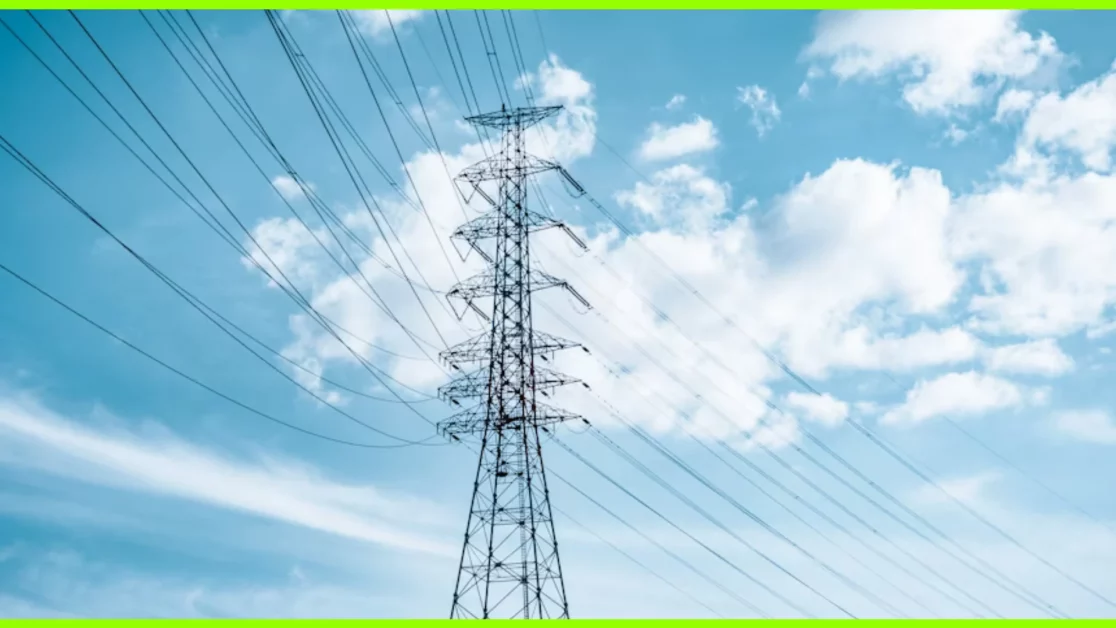
Pakistan is accelerating plans to privatise IESCO, FESCO and GEPCO, offering investors up to full ownership and management control as the power sector faces mounting reform pressure.
Pakistan is accelerating the privatisation of three major electricity distribution companies, placing IESCO, FESCO and GEPCO at the centre of its power-sector reform drive. The government plans to move the transactions forward in the final quarter of 2026, with the process tied to efforts to attract private capital and improve operational performance.
The Privatisation Commission has extended the deadline for expressions of interest in Islamabad Electric Supply Company (IESCO) to September 21 at 4pm. The extension is intended to give local and international investors more time for due diligence and help create a broader, more competitive process, according to the commission.Investors are being offered between 51% and 100% of the share capital in each company, along with management control. Together, IESCO, Faisalabad Electric Supply Company (FESCO) and Gujranwala Electric Power Company (GEPCO) serve more than 14 million electricity consumers, making the first batch one of the government’s most consequential privatisation tests.
Investor interest has already emerged in the other two companies. Eleven potential investors submitted expressions of interest for GEPCO, including Saudi Arabia’s Al Sharif Contracting and Commercial Development Company, three Turkish firms and several Pakistani business groups, Arab News reported.
FESCO attracted 12 interested parties, while 10 investors have been initially declared eligible for the next stage, according to the material provided. The shortlisted parties are expected to receive access to a virtual data room for detailed due diligence before the transaction structure advances.
Muhammad Ali, adviser to the prime minister on privatisation and chairman of the Privatisation Commission, said the GEPCO response reflected “investor confidence” in the distribution sector and the government’s commitment to a transparent process, as quoted by Arab News.
The sales are designed to address long-standing weaknesses in Pakistan’s electricity system, including distribution losses, poor bill recovery and the accumulation of circular debt. Officials have identified the three companies as relatively viable candidates, with reported transmission and distribution losses of around 9% to 10%, Business Recorder reported.
The government is also considering a new state-owned company to absorb selected assets and liabilities from the distributors, potentially clearing the way for transactions that are easier for private investors to evaluate. Lahore, Multan and Hazara distribution companies are expected to enter a subsequent phase, followed by Hyderabad, Sukkur and Peshawar.
The programme forms part of Pakistan’s wider 2024–29 privatization agenda and follows the sale of a majority stake in Pakistan International Airlines. Its progress will now depend on whether strong expressions of interest translate into credible bids and whether private management can deliver better service without adding pressure to consumers.