
Saudi Falcon Vision Eyes $10bn Pakistan Investment
August 1, 2026
Askari Bank Expands Forex With Capital Injection
August 2, 2026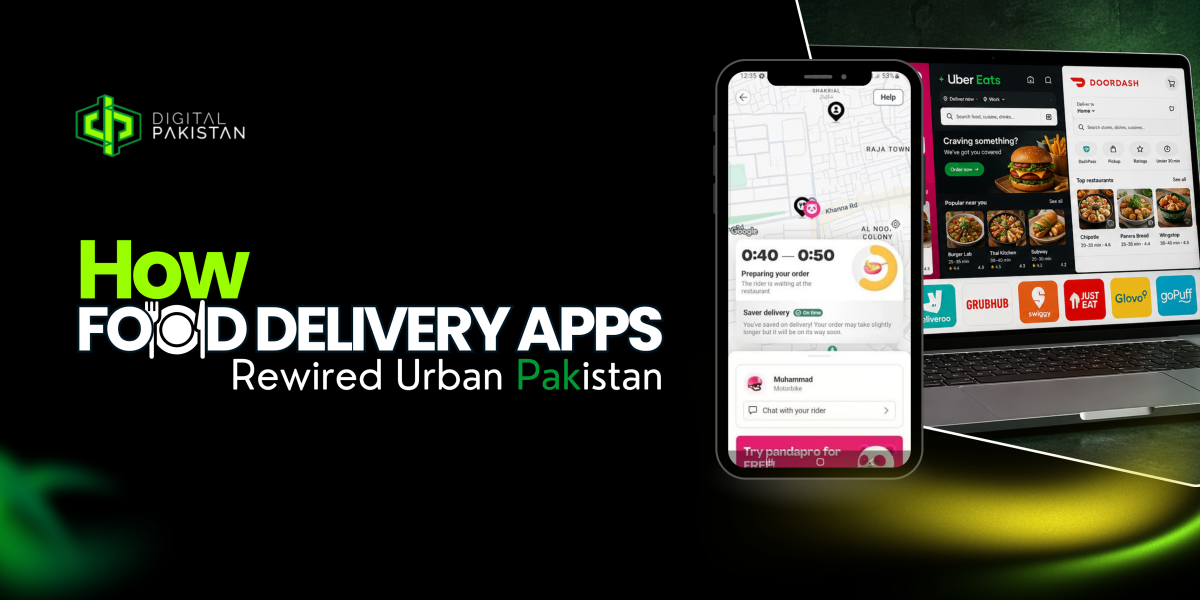
There was a time when getting biryani to your door meant memorizing a restaurant’s landline number, praying someone picked up, and then waiting an hour anyway. Food delivery apps in Pakistan didn’t just fix that problem, they rewired how entire cities eat, work, and even feel less lonely on a Tuesday night. This is the story of how that happened, warts and all.
This isn’t a puff piece about disruption and innovation. It’s a look at what actually changed when apps showed up in Karachi, Lahore, and Islamabad, who won, who got squeezed, and what the guy on the bike actually takes home at the end of a 12-hour shift.
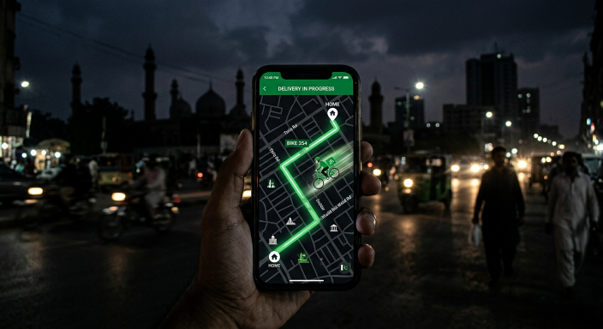
What are food delivery apps?
Food delivery apps are basically middlemen with really good logistics. You open an app, pick a restaurant, place an order, and a rider on a motorbike brings it to you, usually for a delivery fee plus whatever commission the app quietly takes from the restaurant. In Pakistan, that simple idea turned into a multi billion-dollar chunk of the digital economy. The online food ordering Pakistan market alone was projected to generate over 2 billion dollars in revenue by the end of 2025, with grocery delivery growing fast on top of that. That’s not pocket change for an industry that barely existed here 15 years ago.
Before the apps, how Pakistanis ordered food in cities
The phone call era and why it couldn’t scale
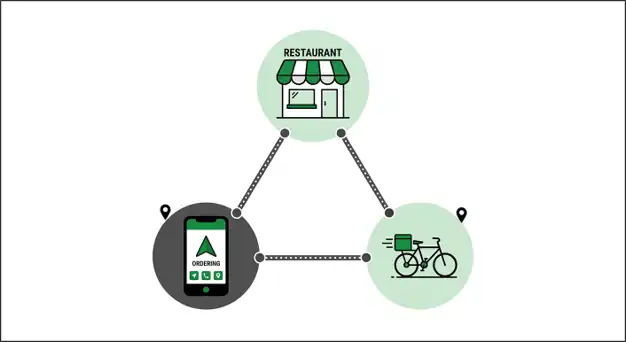
Before smartphones took over, ordering food meant calling the restaurant directly, if they even had a delivery boy on staff. Bigger chains like Pizza Hut or KFC had their own delivery riders and call centers, but smaller restaurants mostly didn’t bother. If you wanted food from a random dhaba or a home cook three streets away, you either went yourself or you didn’t eat their food at all. There was no discovery layer. You only ordered from places you already knew existed. And if two people called the same restaurant at once, someone was waiting an extra 20 minutes with no idea why.
What changed with smartphone penetration and 4G rollout?
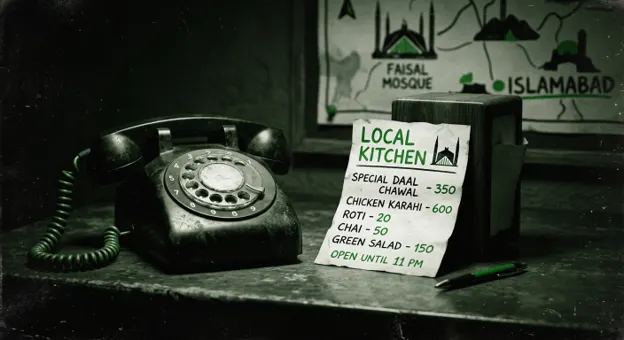
The real shift happened once 3G and 4G rolled out nationally around 2014 to 2016, right as cheap Android phones flooded the market. Suddenly a huge chunk of urban Pakistan was carrying a device that could show them a menu, take a payment, and track a rider on a map in real time. This is the same wave of connectivity that let ride hailing take off, and food delivery essentially rode on its coattails. Once people trusted an app enough to book a cab, trusting it to bring a burger wasn’t a huge leap.
The players who shaped the market
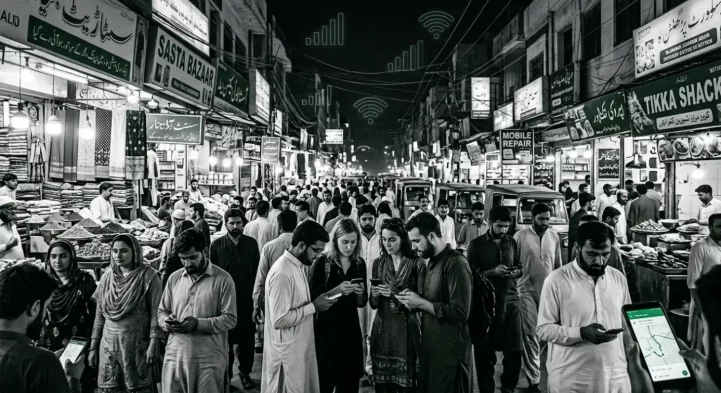
Foodpanda, how a German owned app became a Pakistani institution
Foodpanda Pakistan has an odd origin story. It actually traces back to a local platform called Food Connection Pakistan, founded in 2011, before being absorbed into the global foodpanda brand, which is owned by Berlin based Delivery Hero. What’s wild is how thoroughly foodpanda became a local name despite the foreign ownership. It’s now connecting users across dozens of Pakistani cities with restaurants, home chefs, and its own pandamart grocery stores, and the company has said Pakistan is currently its single largest grocery market out of all the countries it operates in worldwide. That’s not a small footnote, that’s a Pakistani business unit outperforming markets in Singapore and Taiwan. Foodpanda has also leaned hard into automation, using AI driven demand planning to route riders more efficiently, partly because things like internet shutdowns and political disruptions can wipe out a huge chunk of a day’s orders overnight.
Careem Food and the super app play
Careem’s food delivery story is more of a cautionary tale than a victory lap. The company built its name on ride hailing after launching in Pakistan back in 2015, right as 3G and 4G were expanding, and it expanded into food delivery as part of a broader super app strategy, the idea being one app for rides, food, payments, everything. But Careem Food in Pakistan was actually suspended years before the rest of the business shut down, as the company redirected resources toward its core ride hailing and courier verticals during a rough economic stretch. Then in 2025, Careem pulled the plug on its entire ride hailing operation in Pakistan too, citing inflation, brutal competition, and tighter global capital. The super app dream didn’t die because the idea was bad, it died because Pakistan’s economic headwinds made it too expensive to run everything at once. Careem Technologies still keeps an engineering presence in the country, but the consumer facing food delivery Karachi Lahore audience mostly moved on.
Cheetay, Byte, and the challengers carving out niches
While foodpanda dominated the mainstream, smaller players carved out their own lanes. Cheetay, a Lahore based platform, took a different operational approach from day one by keeping its own in-house rider fleet instead of relying purely on freelancers, which gave it more control but made scaling into new cities slower. It’s stuck around across Lahore, Islamabad, and Rawalpindi, evolving into more of a broader Q-commerce play covering groceries and pharma alongside food. Newer and smaller entrants like Byte have tried to grab share in specific cities or niches, betting that hyperlocal focus beats trying to be everywhere at once. None of them have dethroned foodpanda, but they’ve kept the market from turning into a total monopoly, which matters more than it sounds like it should.
What changed for restaurants
The visibility effect, small restaurants reaching new customers
This is the genuinely good part of the story. A tiny restaurant in a back alley that nobody outside a five-minute radius knew about can now show up on someone’s phone in a completely different part of the city. Home based cooks, the aunties making biryani out of their kitchens, suddenly had a legitimate storefront without needing to rent one. That’s a real shift in who gets to run a food business in Pakistan, not just who gets to eat from one.
Commission pressure and the margin squeeze
Here’s the part nobody puts in the marketing deck. Delivery apps take a commission on every order, and in Pakistan that rate has reportedly been capped around 30 percent, with the average across all orders landing closer to 25 percent. For a restaurant already dealing with inflation on cooking oil, gas, and rent, giving away a quarter of every order’s value is brutal. Some restaurants have quietly raised menu prices specifically for delivery orders to offset it, which is why the biryani on the app sometimes costs more than the same biryani if you walk in and order it yourself. It’s not a scam, it’s just restaurants doing math.
Ghost kitchens, the business model food delivery made possible
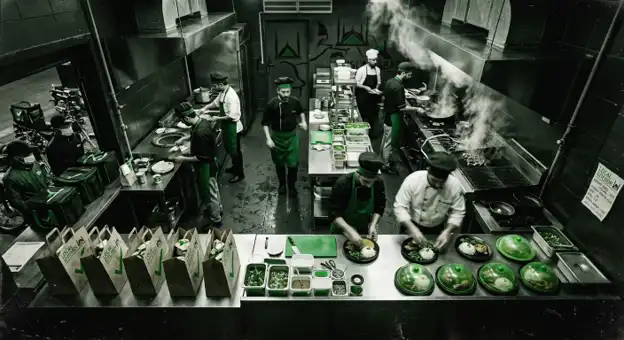
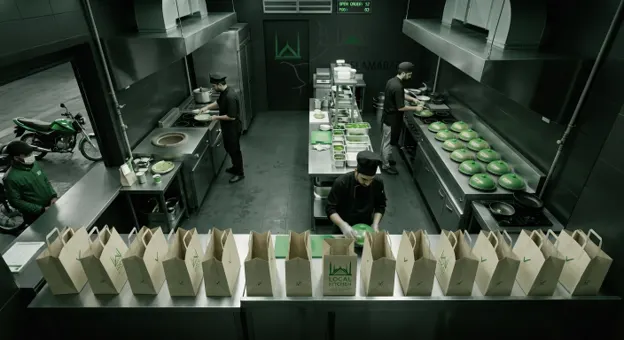
Ghost kitchens are basically restaurants that only exist for delivery apps, no dine-in seating, sometimes no signage at all, just a kitchen unit cooking multiple brands out of one space. This model only makes sense because of delivery apps. Without an app funneling in orders, there’s no reason to open a restaurant nobody can walk into. It’s a cheaper way to test a food concept, and it’s become a quiet but significant part of Pakistan’s food tech scene, especially in cities where commercial rent is expensive and margins are tight everywhere else.
What changed for consumers
Eating habits, late-night ordering, and new cuisine discovery
Delivery apps normalized ordering food at 1am on a random Wednesday, which simply wasn’t a habit before. They also opened up cuisine discovery in a way word of mouth never could. Someone in Lahore can now casually order Korean or Thai food from a small restaurant they’d never have heard of otherwise. That’s changed what “eating out” even means for a lot of younger, urban Pakistanis, it’s less about the restaurant and more about the craving.
Price sensitivity, discount culture, and what it costs the platforms
Pakistani consumers are famously discount driven, and food delivery apps leaned into that hard with promo codes, free delivery periods, and cashback deals to build habits early on. The problem is that discount culture is addictive for users and expensive for platforms. It’s a big reason profitability has taken years longer than expected for companies operating here, and it’s part of why some competitors simply couldn’t keep burning cash and eventually folded or scaled back.
Food delivery and urban loneliness, an unintended social shift
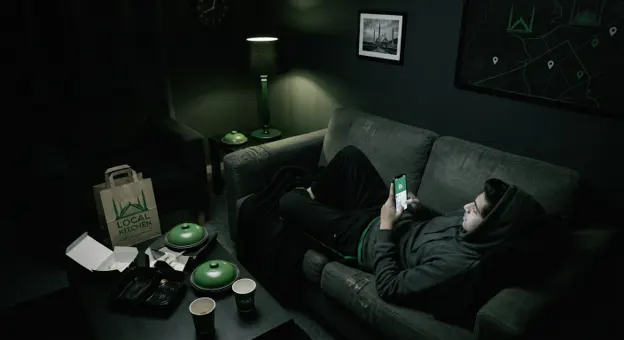
Nobody built these apps to solve loneliness, but they quietly did something adjacent to it. For people living alone in a new city for work or university, far from family, ordering food became a small daily ritual that didn’t require asking anyone for help or admitting you didn’t feel like cooking for one person again. It’s a minor thing on the surface, but it’s a real shift in how urban Pakistanis structure their evenings, especially in cities like Karachi and Lahore where more young people are living independently than a decade ago.
The gig economy layer, riders, income, and working conditions
How much do delivery riders actually earn in Pakistan?
Rider pay in Pakistan varies a lot by city, platform, hours worked, and whether someone’s doing it full time or as a side hustle between classes. It’s typically a mix of a base per-order fee plus incentives for peak hours or bad weather, which sounds fine until you remember riders are also covering their own fuel and bike maintenance out of that. On a good day in a busy city, full time riders can make a livable income. On a bad day, especially when internet outages or political unrest disrupt order flow entirely, earnings can drop sharply, sometimes by 30 to 50 percent, because no orders means no pay, full stop.
Safety, insurance, and the regulatory grey zone
This is the part of the gig economy Pakistan hasn’t really figured out yet. Riders are technically independent contractors, which means most don’t get formal health insurance, injury coverage, or job security through the platforms they ride for. Traffic accidents, heatstroke in summer, and general road safety are real risks that fall almost entirely on the individual rider. There’s been talk of regulation and better protections for years, but Pakistan’s gig economy still largely operates in a grey zone where platforms set the rules and riders absorb the risk.
What comes next, quick commerce, grocery
The next chapter for food tech in Pakistan isn’t really about food anymore, it’s about groceries. Quick commerce Pakistan, the 10 to 30 minute delivery model for grocery essentials, has become a genuine growth engine, with platforms expanding grocery delivery faster than pure food delivery in recent projections. Foodpanda’s pandamart is a clear example, groceries reportedly make up close to a third of its total business in the country now, and the company has talked about expanding into more cities and crossing dozens of grocery store locations. Food delivery apps built the trust and the logistics network. Quick commerce is just cashing in on both.
Conclusion
Food delivery apps didn’t just make it easier to get a burger at midnight, they rebuilt the plumbing of urban Pakistan’s food economy from scratch. Small restaurants got a shot at customers they never would have reached. Riders got flexible income with almost none of the protections that should come with it. Consumers got convenience, discounts, and a genuinely new relationship with eating out. And the market itself has already gone through its first real shakeout, Careem’s exit is proof this isn’t a guaranteed win for every player who shows up. What’s next is grocery, not just food, and the platforms that survive will be the ones that figure out how to make quick commerce actually profitable instead of just popular.
FAQs
Is foodpanda still the biggest food delivery app in Pakistan?
Yes, foodpanda remains the dominant restaurant delivery apps Pakistan player, especially after Careem exited both food delivery and later its entire Pakistan operation.
What happened to Careem Food in Pakistan?
Careem suspended its food delivery business in Pakistan years before shutting down its ride hailing service entirely in 2025, citing economic pressure and intense competition.
Do food delivery riders in Pakistan get benefits like insurance?
Generally, no. Most riders work as independent contractors without formal health insurance or injury coverage, which remains one of the biggest gaps in Pakistan’s gig economy.
Why do restaurant prices sometimes look higher on delivery apps?
Because platforms charge restaurants a commission, often reaching close to 30 percent per order, many restaurants adjust delivery menu prices to protect their margins.
What’s the next big trend in Pakistan’s food tech space?
Quick commerce. Grocery delivery is growing faster than traditional food delivery and has become a core focus for major platforms operating in the country.