
Honeywell to Support Pakistan Refinery Modernisation Plans
July 22, 2026
First EASA‑Approved MRO Hub to Open in Islamabad
July 23, 2026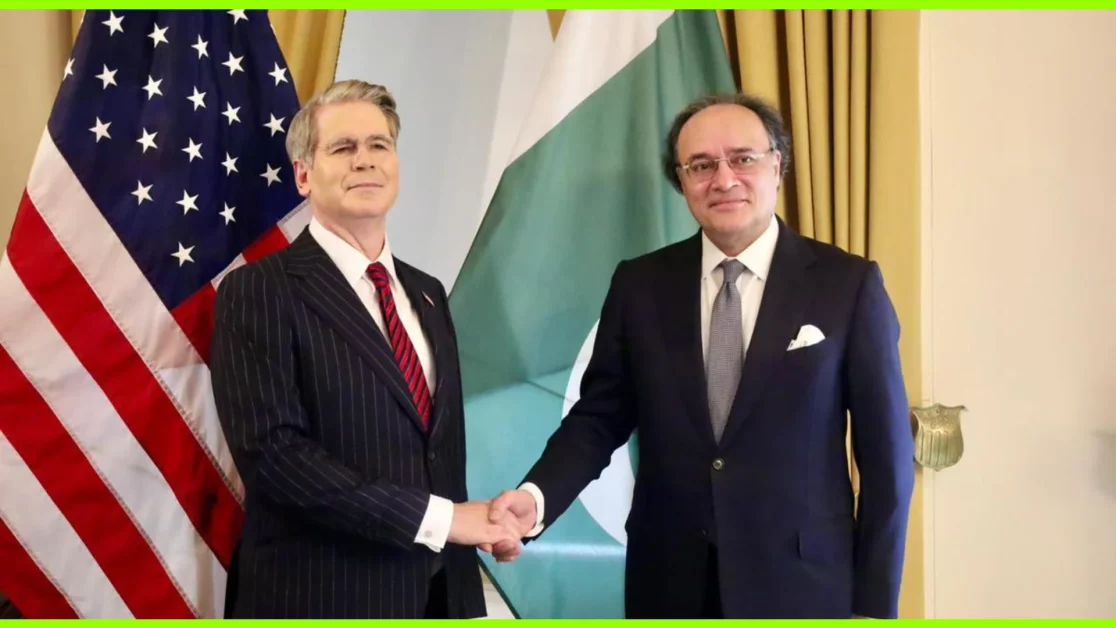
Pakistan has requested a $10 billion exchange stabilisation facility from the United States to strengthen its foreign exchange reserves, support the rupee, and reduce reliance on multilateral financing while advancing broader economic cooperation with Washington.
Pakistan has requested a $10 billion exchange stabilisation facility from the United States in a move aimed at strengthening its foreign exchange reserves, easing pressure on the Pakistani rupee and reducing dependence on multilateral lenders. If approved, the facility would provide a significant financial backstop as the country continues implementing economic reforms under its International Monetary Fund (IMF) programme.
According to Reuters and Geo News, Islamabad submitted the request to US Treasury Secretary Scott Bessent during Finance Minister Muhammad Aurangzeb’s visit to Washington, where discussions focused on strengthening economic cooperation and improving Pakistan’s access to international capital markets.
Reuters reported that Pakistan is seeking a “Bilateral Exchange Stabilisation Support Facility between the US and the Pakistani government worth $10 billion with a maturity of up to five years.” The proposed arrangement would function as a reserve support mechanism designed to enhance financial stability during periods of external economic pressure.
According to the report, “the facility, if agreed to, would bolster Pakistan’s reserves, ease pressure on the rupee and reduce its reliance on multilateral financing,” while the country continues implementing tighter fiscal and monetary policies under its IMF programme.
The US Treasury declined to comment on the reported request, while Pakistan’s Ministry of Finance did not immediately respond to Reuters’ request for comment outside Asian business hours. However, the ministry confirmed that Finance Minister Muhammad Aurangzeb met Treasury Secretary Scott Bessent and discussed Pakistan’s economic outlook and future cooperation.
In a statement issued after the meeting, the Ministry of Finance said, “Senator Aurangzeb sought greater US support for Pakistan’s road to market, underpinned by improved access to international capital markets, higher foreign exchange reserves, and enhanced sovereign credit ratings.”
The statement further noted that “both sides reaffirmed their commitment to deepening bilateral economic cooperation, promoting greater US investment, and advancing strategic projects,” highlighting efforts to strengthen economic relations between Islamabad and Washington.
Pakistan remains under a $7 billion IMF Extended Fund Facility, which has required fiscal reforms, higher tax collection and tighter government spending to restore macroeconomic stability. While the programme has helped improve economic indicators, the country continues to rely on external financing, bilateral deposits and reserve rollovers to maintain adequate foreign exchange reserves.
Reuters noted that exchange stabilisation facilities are “rare US Treasury backstops” that provide dollar liquidity, swaps or guarantees to support foreign exchange reserves and stabilise national currencies. The report added that such arrangements are uncommon, with Argentina receiving a similar facility in 2025, while Uruguay last benefited from one in 2002.
The report also highlighted Pakistan’s improving but still vulnerable external position. It noted that the country narrowly avoided default in 2023 after securing IMF support and has since obtained additional financing for climate resilience. However, reserves remain dependent on assistance from international partners, including Saudi Arabia, China and the United Arab Emirates.
The latest request reflects Pakistan’s broader strategy to diversify its sources of external financing while strengthening economic ties with the United States. If approved, the proposed facility would not only provide additional reserve support but also signal stronger bilateral economic cooperation, potentially improving investor confidence and enhancing Pakistan’s access to international financial markets.