
JazzWorld CEO, Aamir Ibrahim, Calls AI Key to Closing Divide
September 19, 2026
Starlink Outlines Pending Regulatory Steps for Pakistan Service Launch
September 19, 2026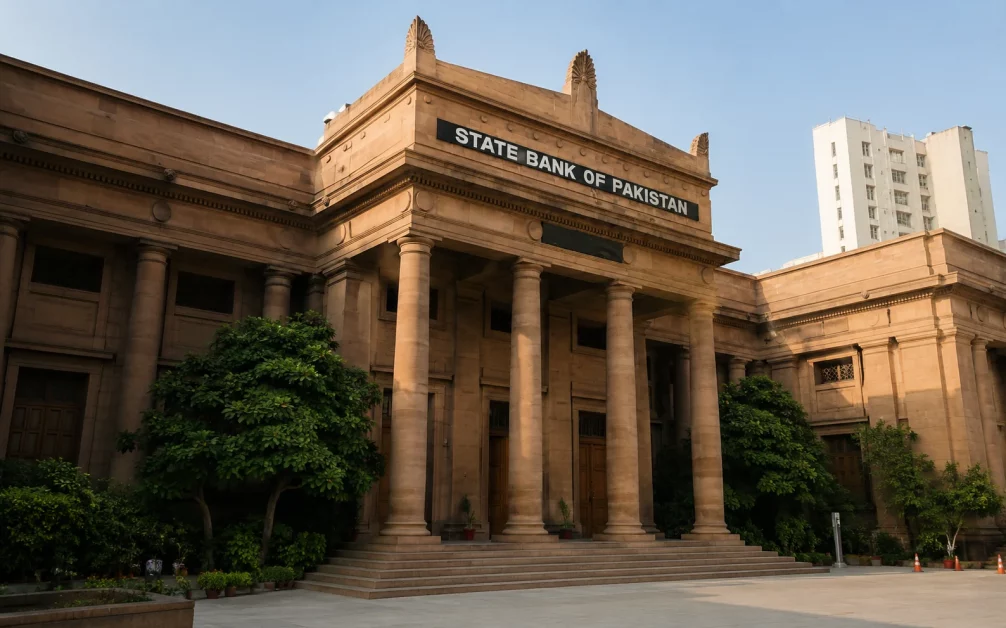
The State Bank of Pakistan (SBP) has urged banking customers to remain vigilant against suspicious messages and calls related to payments and financial transactions and avoid sharing sensitive information such as PINs, passwords, and debit or credit card details. Speaking at the 24th Future Banking Summit & Expo 2026 in Karachi, SBP Joint Director Said Ahmed Sumair highlighted social engineering as a key method used by scammers and stressed that customer awareness remains an important line of defence against online financial fraud.
The State Bank of Pakistan (SBP) has called on banking customers to strengthen their vigilance against online financial scams, warning that fraudsters are increasingly exploiting trust and social engineering rather than directly breaching banking systems.
Speaking at the 24th Future Banking Summit & Expo 2026 in Karachi, Said Ahmed Sumair, Joint Director of SBP’s Payment Systems Policy and Oversight Department, said customers remained the “first line of defence” against digital financial fraud. He noted that although the central bank has introduced cybersecurity and fraud-mitigation regulations and banks have implemented relevant safeguards, scammers continue to target customers through deceptive calls and messages.
Sumair advised customers never to disclose account PINs, passwords or debit and credit card details in response to unsolicited communications. He also urged users to independently verify suspicious transactions, particularly when contacted by individuals claiming that money had been transferred to their accounts by mistake.
According to Sumair, scammers often send SMS messages designed to resemble legitimate bank alerts, falsely claiming that funds have been debited. Customers were advised to verify such notifications through official banking channels and check whether messages originated from the bank’s designated SMS short code, generally a four-digit number, rather than a private mobile number.
He further warned that fraudsters can spoof banks’ universal access numbers (UANs) to make fraudulent calls appear genuine. However, official helpline numbers are intended for customers to make incoming calls and are not normally used by banks for outgoing calls.
The SBP official also identified fake prize notifications and fraudulent BISP payment claims as common scam tactics, urging the public to independently verify such offers before sharing information or making payments.
Meanwhile, former FBR chairman Shabbar Zaidi highlighted Pakistan’s growing debt burden, saying national debt had risen from Rs47 trillion in 2022 to Rs85.5 trillion, while questioning the sustainability of relying on IMF programmes and financial support from friendly countries.
Rana Shahzad Qaiser, DG IT, Government of Sindh, highlighted the province’s proposed Sindh Cloud Policy and initiatives supporting digital banking, startups and technical skills.
The summit underscored the need for stronger cybersecurity, informed customers and continued digital infrastructure development as Pakistan’s financial sector becomes increasingly digital.