
SMW5 Cable Fault Threatened Pakistan’s Internet Connectivity
November 20, 2026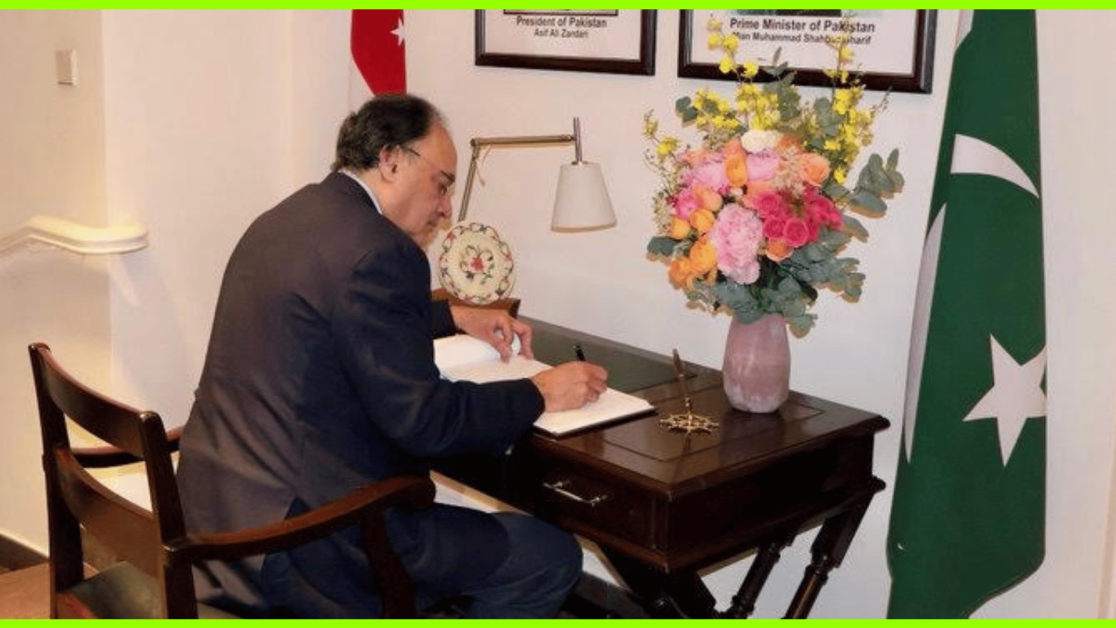
Pakistan is pursuing stronger fintech ties with Singapore to unlock SME financing, attract private investment and achieve its Rs2 trillion lending target by 2028.
Pakistan is looking to strengthen its financial technology partnership with Singapore to improve access to funding for small and medium enterprises (SMEs), Finance Minister Muhammad Aurangzeb said during his visit to the country. He emphasized the importance of digital payments, technology-driven lending, alternative credit assessments, and risk-sharing arrangements in helping businesses secure financing without relying solely on traditional collateral.
Speaking at the Ministerial Dialogue on SME Growth, Jobs and Competitiveness during the Global SME Finance Forum 2026, held alongside the Singapore FinTech Festival, Aurangzeb identified opportunities to collaborate with Singapore’s fintech ecosystem, particularly the Global Finance & Technology Network (GFTN).
The government aims to increase SME financing to Rs2 trillion by June 2028, nearly doubling the existing level. Achieving this target will require greater involvement from commercial banks, fintech firms, development finance institutions, and private investors.
Aurangzeb highlighted the economic importance of SMEs, noting that they represent 90% of businesses in Pakistan, contribute 40% to GDP and approximately 20% to exports, while supporting around 78% of non-farm employment. He stressed that improved access to working capital and long-term funding would help businesses strengthen productivity and compete more effectively in international markets.
The minister also highlighted the SME Connect Portal, introduced by the State Bank of Pakistan on November 1, 2026. The platform is designed to simplify business registration, financing applications and application tracking while improving transparency in banks’ processing procedures.
He further emphasized SMEDA’s contribution towards improving businesses’ financial documentation, enabling SMEs to become more appealing to lenders and potential investors. Aurangzeb also called for increased private investment through credit guarantees, blended financing, risk-sharing arrangements, and technology partnerships.
Beyond fintech cooperation, Aurangzeb met Singapore’s Deputy Prime Minister and Minister for Energy, Trade and Industry, Gan Kim Yong, to discuss opportunities in artificial intelligence, trade, investment, and financial services. Both sides also explored expanding Pakistani food and agricultural exports and encouraging direct business partnerships between companies in the two countries.
The finance minister additionally engaged with members of the Pakistani diaspora and business community, highlighting economic reforms, fiscal consolidation and privatization initiatives aimed at improving Pakistan’s investment climate.
During the Singapore FinTech Festival, he inaugurated Ignite’s Pakistan Pavilion and interacted with representatives of Pakistani technology companies, including Tax Nerd Pakistan, Ping Up, Bagh-e, Fortanixor Technologies and Lendverse/Tawha Technologies. He also visited Ant International’s pavilion to learn about its financial technology solutions.
The engagements reflect Pakistan’s efforts to attract international investment, strengthen bilateral economic ties, and develop a more competitive, digitally enabled SME sector.