
US Order Forces Anthropic to Disable Flagship AI Models
June 15, 2026
Government Proposes Tax on Social Media Earnings
June 16, 2026
The loneliness economy may be one of the defining stories of the digital age, yet most discussions about loneliness focus almost entirely on individual behaviour. We’re told people spend too much time online, don’t socialize enough, or have forgotten how to build relationships. The advice that follows is familiar: put down your phone, join a club, and spend more time in the real world.
Some of that advice is useful, but it doesn’t explain why loneliness appears to be rising across entire societies while technology companies are building trillion-dollar businesses around communication, entertainment, dating, and companionship. At some point, that overlap becomes too significant to ignore.
As traditional forms of community have weakened and more of life has moved online, human connection has increasingly been mediated through platforms, subscriptions, and algorithms. We aren’t simply witnessing a rise in loneliness; we’re also witnessing the rise of an economy built around managing it.
Technology promised connection
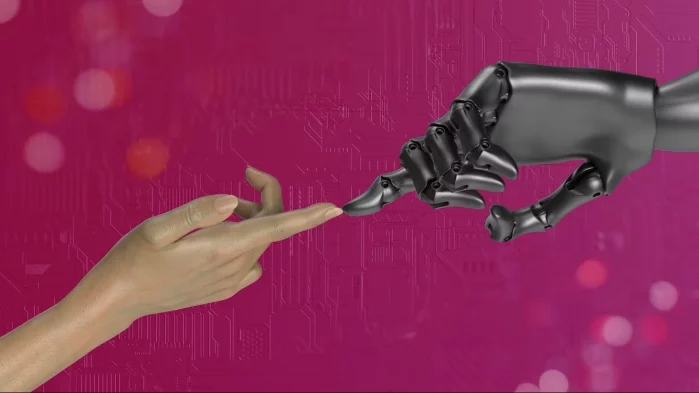
The internet arrived with an optimistic promise. Distance would matter less, friendships could survive geography, dating would become easier, and communities could form around shared interests rather than physical location. For a while, it seemed as though technology had solved one of humanity’s oldest problems.
Igor Omilaev; Unsplash
Today, people can video call someone across the world, join communities dedicated to almost any interest, and communicate instantly at any hour. By almost every technical measure, we are more connected than any generation before us. Yet loneliness remains widespread. If connectivity alone were the answer, social isolation should be declining rather than increasing.
Part of the explanation is that access and connection are not the same thing. Having thousands of followers doesn’t automatically create meaningful relationships, just as participating in an online community doesn’t necessarily replace the sense of belonging that comes from close friendships, family ties, or a neighbourhood. Technology has removed many barriers to communication, but building trust, intimacy, and lasting relationships remains far more complicated.
The business model of artificial connection
Most digital platforms make money when users remain active. That’s not a criticism; it’s simply how the business works. More engagement generally means more advertising revenue, subscriptions, and growth.
The challenge is that user goals and platform goals don’t always align. Dating apps provide a clear example. Users typically want to find a partner and eventually leave the platform. The platform, however, benefits when people continue swiping, matching, and returning regularly. That doesn’t mean companies are deliberately keeping people single, but it does create a system where continued participation is valuable.
The same dynamic appears elsewhere. Social media platforms thrive on attention, creator platforms thrive on audience loyalty, and subscription communities thrive on recurring membership. As a result, the search for connection often generates more economic value than connection itself.
Dating apps and the endless swipe
Apps like Tinder, Bumble, and Hinge transformed dating into an almost limitless marketplace of options. Initially, that seemed like a major improvement over the limitations of geography and social circles.
Many users, however, discovered that more choices don’t necessarily make relationships easier to find. Profiles become content, matches become small bursts of validation, and conversations often fade before they become meaningful.
It’s possible to spend years moving through this cycle while feeling no closer to the relationship you originally wanted. Technology has created more opportunities to meet people than ever before, yet many users describe the experience as exhausting rather than fulfilling.
Social media and the monetization of attention
Social media platforms understand something fundamental about human psychology: people want to feel seen. Likes, comments, shares, and notifications provide small signals of recognition, which is one reason they can feel so rewarding. There is nothing inherently wrong with that. The issue is that attention can be measured, optimized, and monetized.
As a result, platforms become extremely effective at keeping people engaged. Someone who feels disconnected may scroll longer, post more frequently, and check notifications more often in search of reassurance or validation. Loneliness may not have been created by these platforms, but it often generates the kind of engagement they depend on.
Parasocial relationships are replacing social relationships
One of the most significant developments of the internet era has been the rise of parasocial relationships. Traditionally, relationships involved mutual awareness. You knew someone, and they knew you. Modern media has introduced a different dynamic, where millions of people spend hours each week watching creators, streamers, podcasters, and influencers they will never meet.

Jyssica Schwartz; Medium
Over time, familiarity creates a sense of closeness. People learn a creator’s habits, opinions, routines, and personal stories, becoming emotionally invested in their lives despite having no real relationship with them.
What’s remarkable is how normal this has become. Entire communities now form around creators, and many people spend more time engaging with online personalities than with neighbours or local communities.
Why influencers feel like friends
Influencer culture thrives because repeated exposure creates trust. When someone appears in your feed every day, shares personal stories, and interacts with their audience, they begin to feel familiar.
Platforms like Twitch intensified this effect by allowing viewers to participate in real time through comments and donations. The creator economy didn’t invent parasocial relationships, but it found a way to scale them and, in doing so, turn emotional attachment into a business model.
AI companions and the commercialization of emotional needs
The popularity of AI companions reveals how much demand exists for connection. Apps like Replika and Character.AI aren’t successful because users confuse software with people. Most understand exactly what they’re interacting with. The appeal lies in the fact that these systems are always available, respond instantly, and never reject or ignore users.

Newo.ai
For someone struggling with loneliness, those qualities can be incredibly attractive. The story of AI companions is therefore less about artificial intelligence and more about unmet emotional needs. As these systems improve, society will face difficult questions about companionship, emotional support, and the role technology should play in meeting human needs.
Loneliness became a market
This phenomenon extends far beyond any single platform. Streaming services benefit when people spend evenings consuming content. Creator platforms benefit when audiences form strong emotional attachments. Virtual worlds benefit when users invest time, identity, and energy into digital spaces.
Each of these industries serves a legitimate purpose, but together they reveal a broader pattern. A society filled with disconnected people creates enormous demand for products that offer attention, belonging, companionship, validation, and entertainment. That is the foundation of the loneliness economy.
The political roots of modern loneliness
Technology didn’t create this situation on its own. Long before social media arrived, many institutions that traditionally fostered connection were already weakening. People work longer hours, housing costs separate families, public gathering spaces disappear, and community organizations struggle to survive.
These changes make relationships harder to build and maintain, which is why loneliness should not be viewed solely as a personal problem. In many cases, it reflects broader economic and social conditions.
When communities become harder to sustain, technology naturally steps in to fill the gap. The problem is that platforms can facilitate interaction without fully replacing the social structures that once made belonging possible.
Human connection was never supposed to be a subscription service
For most of human history, belonging wasn’t something people purchased. Friendships emerged through proximity, communities formed through shared experiences, and support networks developed through families, workplaces, neighbourhoods, and local institutions.

Eduardo Ramos; Unsplash
Many of those structures have weakened while digital alternatives continue to expand.
The internet didn’t invent loneliness, but it revealed that loneliness can be highly profitable. Once companies realized they could build products around attention, companionship, validation, and belonging, an entire industry emerged around selling increasingly sophisticated versions of those experiences. That’s the story behind the loneliness economy.
The defining question of the digital age is no longer whether technology can connect us. It clearly can. The more important question is whether genuine human connection can survive when so much of modern life is built around monetizing the search for it. Because once belonging becomes a product, someone inevitably benefits from keeping people looking for it.