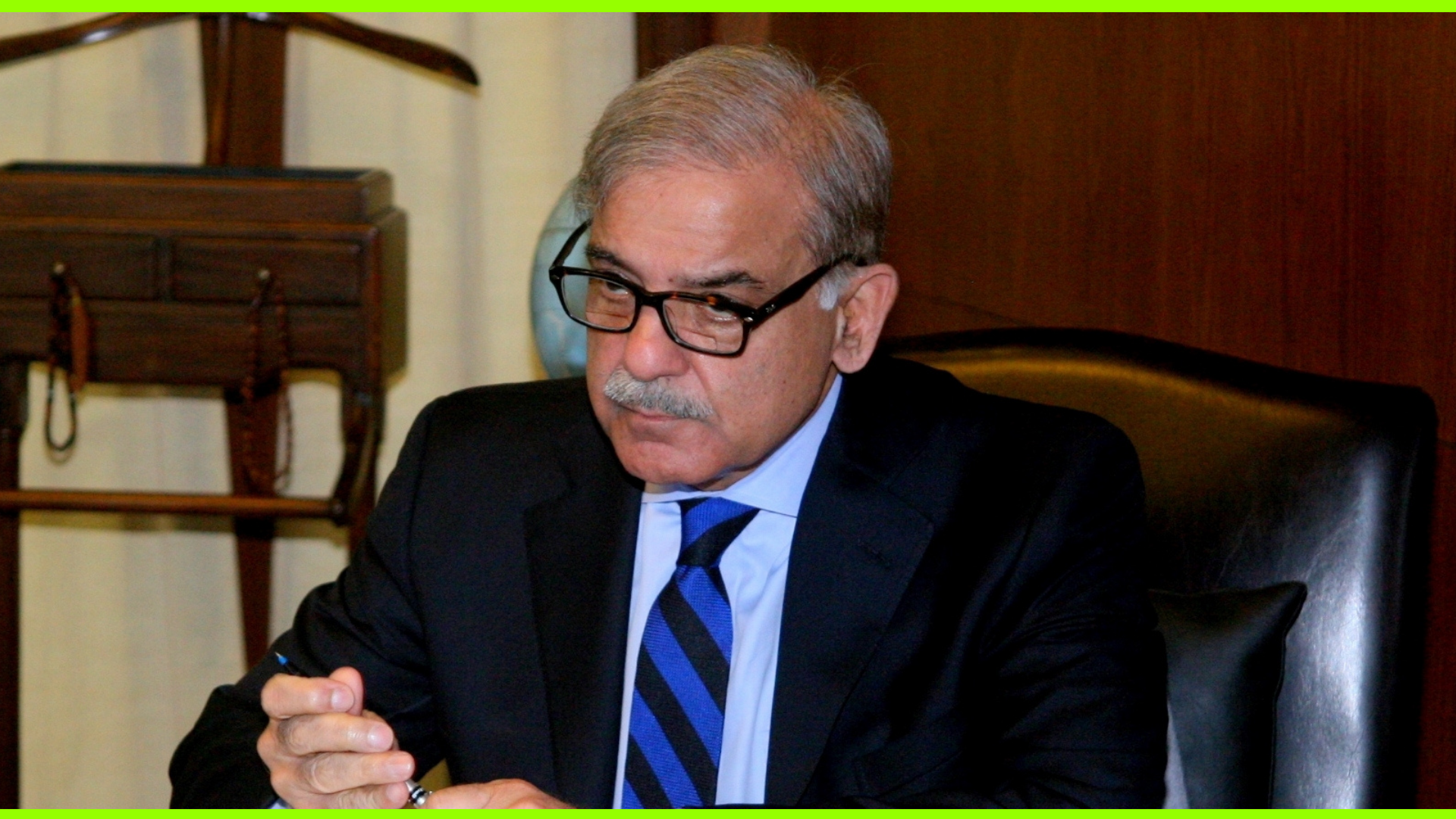
PM Shehbaz Sharif Orders Austerity Plan Amid Crisis
March 9, 2026
Stakeholders Push Gwadar Port as Regional Shipping Alternative
March 9, 2026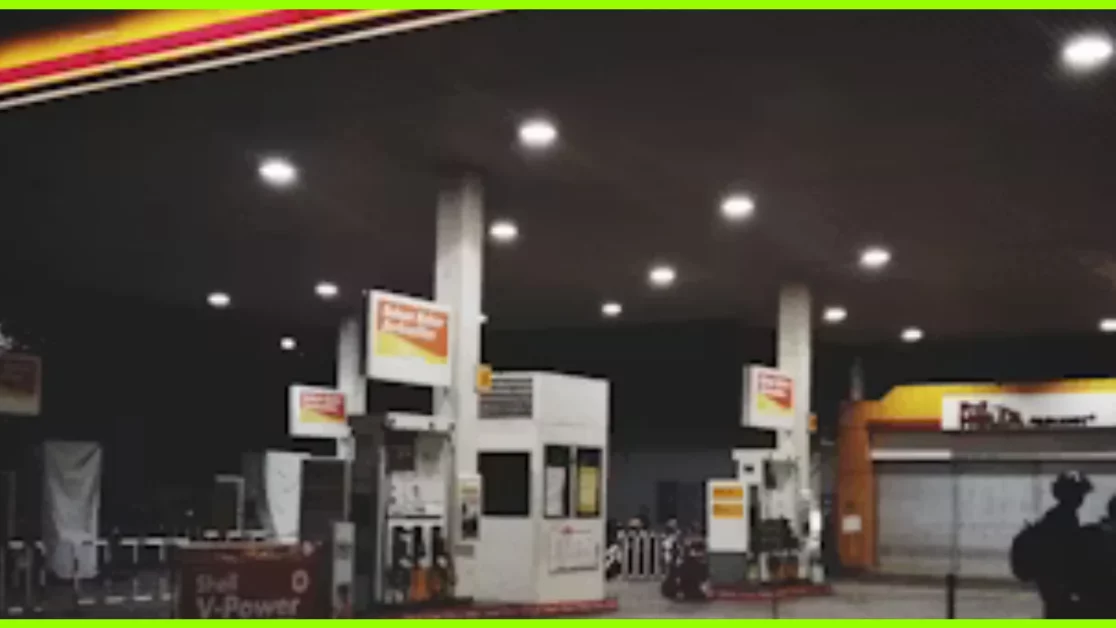
Pakistan is reviewing fuel reserves and supply plans as tensions in the Middle East raise concerns about potential increases in global oil prices. Authorities are assessing contingency measures to ensure stable fuel availability and manage possible economic pressure.
Read more: Pakistan Builds Oil Stocks Amid Gulf Risks
Federal and provincial authorities on Monday reviewed Pakistan’s fuel supply situation amid rising tensions in the Middle East, warning that escalating conflict could push global oil prices higher and increase pressure on the country’s economy.
Petroleum Minister Ali Pervaiz Malik said three petrol cargoes are expected to arrive in Pakistan by Monday as the government closely tracks the impact of the US–Israel conflict with Iran on international energy markets.
The issue was discussed during separate high-level meetings in Karachi and Lahore where officials assessed petroleum reserves, demand trends and contingency measures to ensure uninterrupted fuel availability.
At a meeting in Karachi attended by Sindh Chief Minister Murad Ali Shah, Finance Minister Muhammad Aurangzeb, and other officials, participants were briefed on global oil market developments and Pakistan’s current fuel stocks. Officials cautioned that if tensions escalate further, crude oil prices could surge to around $120 per barrel.
Aurangzeb said the government is closely monitoring global markets and preparing financial safeguards. “If global crude prices increase sharply, Pakistan’s monthly oil import bill could rise by up to $600 million,” he warned.
Meanwhile, authorities also discussed energy conservation measures and efforts to secure alternative fuel supplies. Officials said diplomatic contacts have been intensified with Saudi Arabia, Oman and the United Arab Emirates to ensure supply routes remain stable.
Participants agreed to strengthen coordination to prevent hoarding and ensure smooth petroleum distribution across the country.