
IMF Flags Stronger Pakistan Economic Performance
February 22, 2026
ADB to Support AI in Pakistan’s Health Sector
February 23, 2026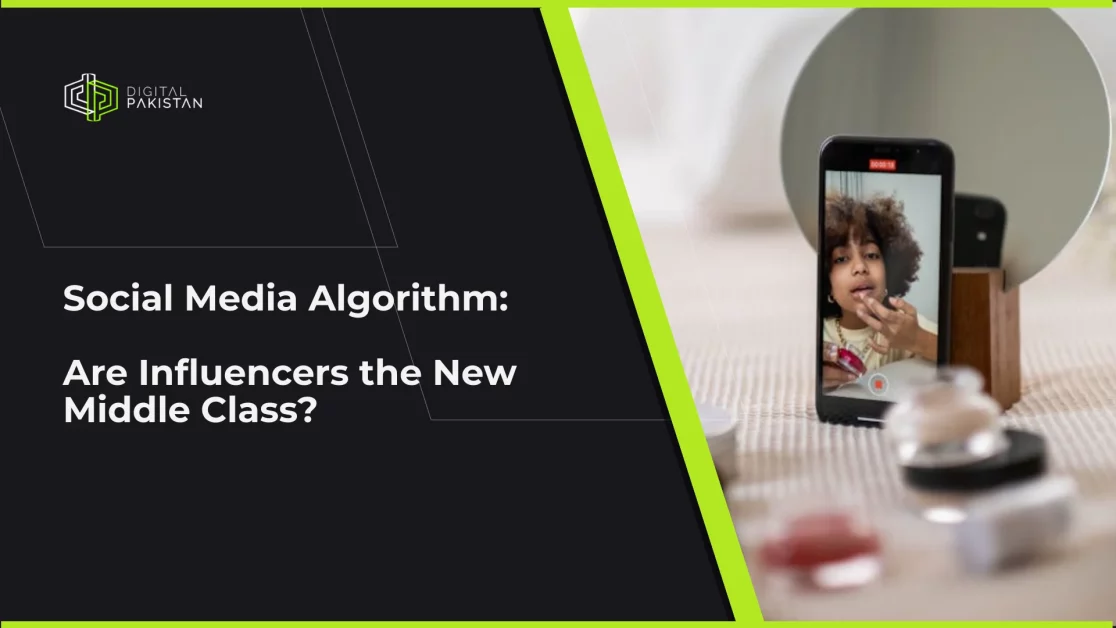
Introduction: The Birth of a New Economic Class
We didn’t see it coming because it didn’t look like an economic revolution. It looked like people taking pictures of their breakfast, filming skincare routines, talking into phone cameras about nothing. It looked trivial, narcissistic, the kind of thing you could dismiss as kids wasting time online.
But while we were busy mocking the selfie generation, they were quietly constructing an entirely new tier of the social hierarchy. Influencers aren’t celebrities with generational wealth and industry gatekeepers. But they’re not regular people either.
They occupy this strange middle ground: economically dependent on audience attention, socially positioned as aspirational figures, professionally existing in perpetual precarity. This class was born entirely from digital infrastructure, platforms didn’t just facilitate their rise, they manufactured it.
The old middle class was defined by stability: steady employment, benefits, homeownership. The new middle class is defined by volatility masquerading as opportunity. No health insurance, but brand partnerships. No pension, but affiliate links.
No job security, but the intoxicating illusion of being your own boss while performing a calculated version of yourself for an audience that mistakes consumption for connection. We’re witnessing an economic tier that didn’t exist twenty years ago and might not exist twenty years from now.
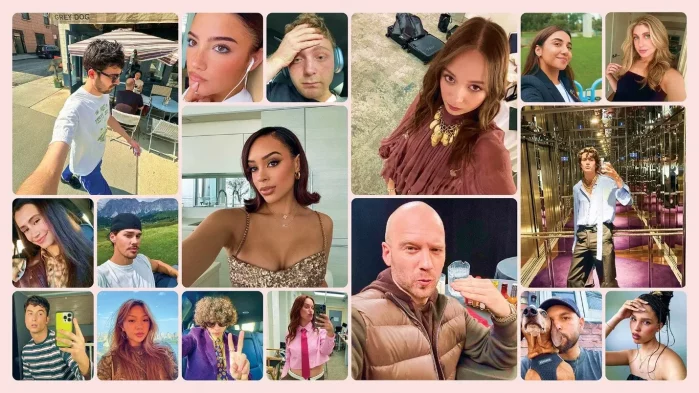
Image source: The Hollywood Reporter
They don’t produce tangible goods, they monetize attention, proximity, and performed authenticity. Neither oppressed nor privileged, perpetually suspended in this middle space where success is visible but never guaranteed. Influencers are the new middle class, complete with all the anxiety and precarity that’s always defined that position. They’re just selling it with better aesthetics.
The Platform Economy Created a New Social Tier
Instagram, TikTok, YouTube engineered an entire economic system. These platforms identified a market inefficiency: the gap between unreachable celebrity and relatable nobody. They built the infrastructure to monetize that gap, creating a class of people who could profit from simply existing online with enough strategic performance and algorithmic favor.
The mechanics are deceptively simple. Platforms offer verification badges for legitimacy, monetization thresholds to incentivize content creation, and algorithms that can transform an unknown into a household name overnight.
What looks like democratized fame is actually a calculated business model: turn users into unpaid content generators, then offer a cut of the profits to whoever performs best. The platform owns the game; influencers just play it.
This wasn’t accidental. Tech companies realized they could outsource content creation entirely while maintaining total control over distribution and revenue. They didn’t need to pay writers, actors, or producers.
They just needed to convince millions of people that their lives were valuable enough to document, that their personalities were marketable, that attention could be converted into income. And it worked. The result is a social tier that didn’t exist two decades ago. Not celebrity. Not working class.
Something in between, economically viable but perpetually precarious, visible but not powerful, monetized but not secure. The platform economy didn’t just change how we consume content. It created an entirely new class of people whose livelihoods depend on maintaining the interest of an audience they’ll never actually meet.
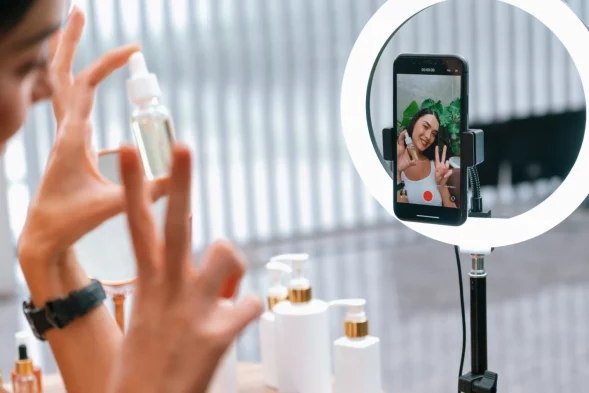
Image source: StackCommerce Insider
Followers Are the New Property Ownership
The middle class used to measure wealth in tangible assets: a house in the suburbs, a reliable car, maybe a vacation property if you were doing well. Stability meant ownership, something solid you could point to and say, “This is mine.” That calculus has fundamentally shifted.
Now wealth is measured in audience reach, engagement rates, and follower counts. Your net worth isn’t your mortgage; it’s your influence. And unlike real estate, this property can vanish overnight.
Influencers don’t own homes, they own attention. Their equity is stored in follower counts that function like stock portfolios, constantly fluctuating based on algorithmic whims and cultural trends. A million followers isn’t just vanity; it’s collateral for brand deals, speaking fees, product launches.
It’s the new American Dream repackaged: instead of a white picket fence, you get a verified checkmark. Instead of building equity in property, you’re building equity in yourself as a commodity. Except you can’t live inside your follower count when the market crashes.
Your Timeline is Their Storefront
Scroll through Instagram right now and count how many “friends” are actually just running businesses in your face. That college acquaintance posting their morning routine? Sponsored. Your high school friend sharing their favorite skincare products? Affiliate links in bio.
Your timeline is a mall disguised as community, where every post is a transaction dressed up as authenticity. The genius of it is how seamlessly commercial intent has been woven into personal narrative. They’re not advertising; they’re “sharing what works for them.” They’re not selling; they’re “being transparent about their partnerships.”
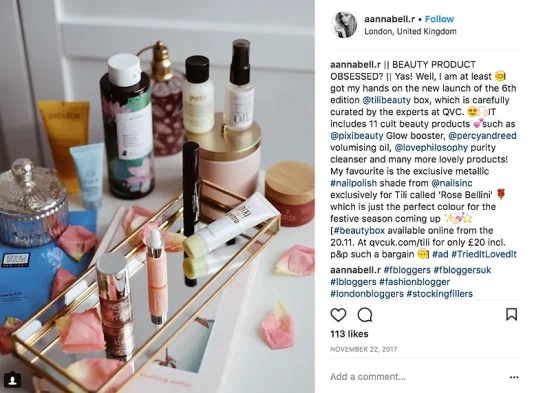
Image source: Social Media Today / Takumi.com
The storefront doesn’t look like a storefront because it’s camouflaged as friendship, as lifestyle documentation, as someone just living their life who happens to be contractually obligated to mention a brand every third post. We’re shopping without realizing we’ve entered a store.
The Parasocial Middle Manager
Influencers occupy this carefully calibrated distance: close enough that you feel like you know them, far enough that you’ll never actually reach them. They’re not distant celebrities living behind gates and publicists. They reply to comments. They answer DMs. They share “vulnerable” moments that make you feel like you’re watching a friend, not a product.
But you’re not friends. You’re a consumer in a relationship engineered for your continued engagement and eventual purchase. This is the illusion of accessibility without actual access. They perform intimacy while maintaining boundaries.
They’re relatable enough to trust their recommendations but aspirational enough that you’ll buy what they’re selling to bridge that gap. Not your friend, not a celebrity, but this invented third category: the parasocial middle manager who makes you feel seen while selling you things you don’t need.
Algorithmic Landlords and Content Tenants
Influencers don’t own the platforms they’ve built their careers on. They’re tenants renting digital real estate from algorithmic landlords who can change the terms of the lease without notice. Instagram tweaks its algorithm and suddenly your reach plummets.
TikTok updates its community guidelines and your content gets shadowbanned. YouTube demonetizes your videos. One policy shift and your entire income evaporates, no severance package, no appeals process, just gone.
This is the gig economy dressed up in ring lights and aesthetic minimalism. You’re not an employee with protections; you’re a contractor at the mercy of platforms that owe you nothing. You’ve built your business on borrowed land, and the landlord can demolish everything tomorrow.
Image source: The New York Times
It’s precarious employment disguised as entrepreneurial freedom, and the only people getting rich with guaranteed stability are the ones who own the platforms, not the ones performing on them.
The Comments Section as Customer Service
Replying to DMs isn’t friendship, it’s labor. Engaging with followers isn’t authentic connection—it’s community management. Every comment, every response, every “thanks for the support” is work disguised as interaction.
Influencers have to maintain the performance of accessibility, of caring about their audience individually, because the moment they stop engaging, the audience moves on. And when the audience moves on, so does the income.
This is emotional labor commodified and rebranded as authenticity. They’re not just creating content; they’re managing relationships with thousands of people who think they know them personally.
It’s exhausting, unscalable, and essential to maintaining the illusion that keeps the business running. The comments section isn’t a conversation, it’s customer service for a product that happens to be a person.
When Authenticity Becomes Unaffordable
The early internet was messy, chaotic, gloriously unglamorous. People posted blurry photos, rambling thoughts, unedited moments of their actual lives. It was raw and real because nobody was trying to monetize it. Then influencers professionalized everything.
They brought production value, aesthetic cohesion, strategic posting schedules. They made the internet sleek, curated, aspirational. And in doing so, they priced out authenticity.
Now you can’t just exist online, you have to perform. Your feed needs a theme. Your photos need editing. Your captions need strategy. The amateur has been replaced by the professional, and casualness reads as failure.

Image source: Vox
Influencers gentrified digital spaces the same way wealthy developers gentrify neighborhoods: they made everything prettier and more expensive, and the people who used to live there can’t afford to stay. Authenticity became unaffordable the moment it became monetizable.
The Subscription Model Self
Patreon tiers. Exclusive content. Premium memberships. Early access. Influencers have turned themselves into subscription services, monetizing proximity by creating artificial scarcity around their own existence.
For $5 a month, you get the regular posts. For $20, you get behind-the-scenes content. For $50, maybe a personalized message. They’ve gamified access to a human being, and people are paying for it. This is intimacy as a business model. They’re not selling products; they’re selling the feeling of closeness, of being special, of having access that others don’t.
It’s brilliant and deeply dystopian. We’ve reached a point where connection itself has been tiered and priced, where you can purchase different levels of someone’s attention. The subscription model self turns relationships into recurring revenue and people into paywalled experiences.
Platform Collapse Equals Economic Catastrophe
When Vine shut down in 2017, entire careers evaporated overnight. Creators who’d built million-follower audiences suddenly had nothing, no platform, no income, no transferable skills that translated to traditional employment.
It was an economic catastrophe that nobody outside the digital space recognized as one. When Instagram changes its algorithm, livelihoods vanish. When TikTok gets banned in a country, revenue streams disappear. This isn’t stable employment; it’s building your house on quicksand.
The precarity is staggering. Your entire business depends on platforms that could cease to exist, change their policies, or simply decide your content no longer serves their interests. There’s no union protecting you, no labor laws governing platform decisions, no recourse when everything collapses.
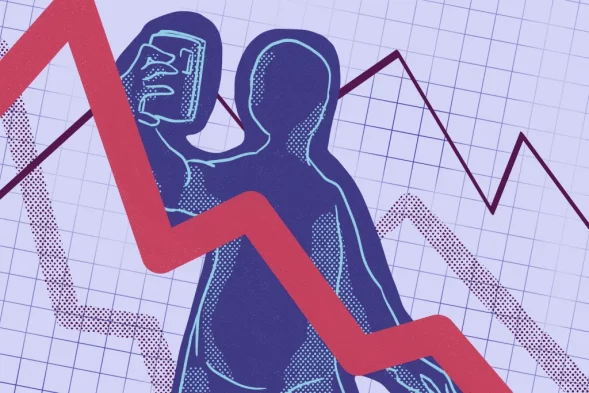
Image source: The Strand
Influencers are one corporate decision away from unemployment, and they’ve optimized their entire existence around systems they have zero control over. It’s not the new middle class, it’s the new precariat with better lighting.
Conclusion
Influencers didn’t replace the middle class, they became it, complete with all the anxiety, precarity, and false promises of upward mobility that’s always defined that tier. The platforms won by building an infrastructure where millions compete to generate free content for the possibility of monetization, and we called it entrepreneurship.
The old dream of stability, the house, the pension, the private life, has been replaced by a verified checkmark and enough brand deals to pretend you’re not one algorithm change away from irrelevance. The middle class didn’t die; it just got rebranded, monetized, and sold back to us as aspiration with better lighting.