
Meta’s AI Pendant and Wearables Strategy Targets Billion-Dollar Losses
May 30, 2026
IMF Pushes Pakistan to Raise GST Amid Budget Standoff
June 1, 2026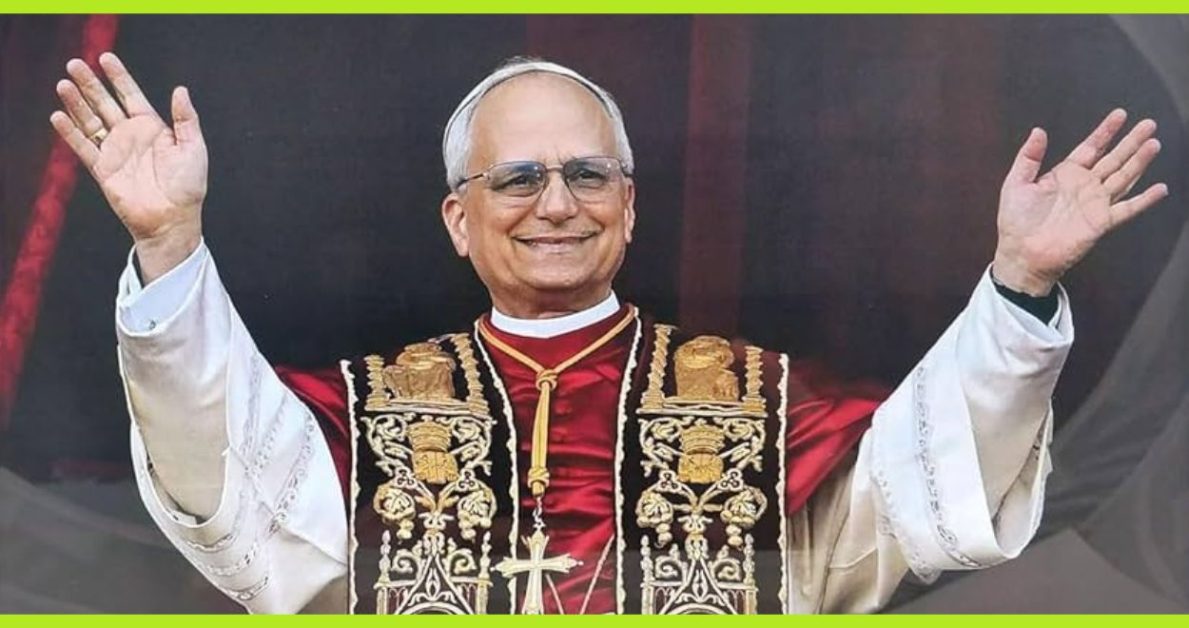
Pope Leo urges strict AI regulation, warns autonomous weapons may be “beyond any human reach,” repudiates just-war theory and calls for data, labor and child protections.
Pope Leo on Monday issued a sweeping encyclical calling for urgent political action to rein in artificial intelligence, saying some autonomous weapons have moved “practically beyond any human reach to govern them.”
In Magnifica Humanitas, the first major document of his papacy, the pontiff urged governments to slow AI development, introduce robust legal frameworks and create independent oversight of systems that spread misinformation and prioritise conflict.
“What is needed is a more active political involvement that is capable of slowing things down when everything is accelerating,” Leo wrote, calling on policymakers to prevent ownership of AI data from resting solely with private actors.
The encyclical also contains one of the clearest papal repudiations of the just-war theory, arguing the doctrine has been used to justify too many conflicts. “The ‘just war’ theory… is now outdated,” Leo wrote, warning that leaders might use war to distract from domestic problems.
At a Vatican event launching the text, attended by Anthropic co-founder Chris Olah, Leo repeated his concern about weaponised AI. Olah, whose company builds the Claude AI tools, thanked the pope for spotlighting the technology’s risks and urged greater outside scrutiny of frontier labs.
Leo connected AI’s expansion to social injustice, denouncing “new forms of slavery” endured by those who extract rare-earth materials and maintain data systems. He apologised for the Church’s slow historical response to transatlantic slavery, calling it “a wound in Christian memory” and asking for pardon.
The 43,000-word encyclical frames AI as a moral and political challenge that touches labour, family life and global stability. The pope called for measures to protect workers, shield children from harmful content and cool the competitive frenzy among AI firms.
Analysts say the document could intensify calls for international regulation, especially given the pope’s global moral authority. Whether governments heed the demand to slow AI development will test political institutions already strained by technological and geopolitical pressures.
Leo concluded with an appeal to common responsibility: “No one is without responsibility. We all have our own areas for action,” he wrote, urging a collective effort to prevent technology from dominating humanity.