
Pakistan’s ITANZ Lands $5M UAE Digital Transformation Deal
June 18, 2026
NTC, PSW Sign Trade Digitalisation Agreement
June 18, 2026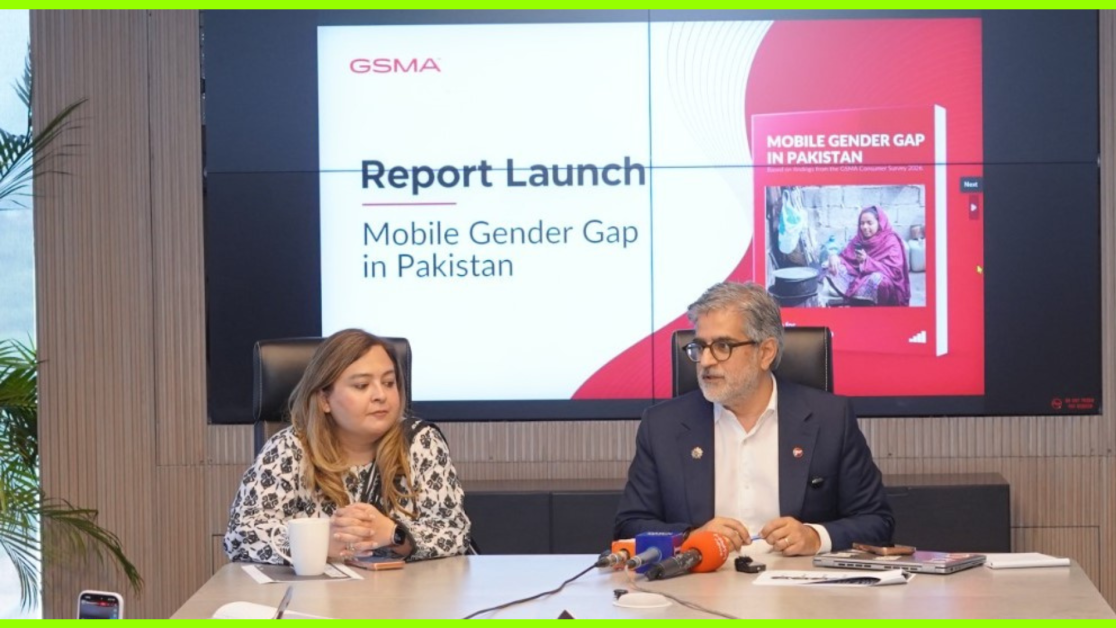
ISLAMABAD – June 18, 2026: The Telecom Operators’ Association (TOA), in collaboration with GSMA, hosted an event to launch the GSMA Mobile Gender Gap Report 2026, showcasing Pakistan’s remarkable progress in reducing the mobile gender gap.
According to the report, Pakistan achieved the largest improvement among all surveyed countries in narrowing the mobile ownership gender gap, which fell from 37% in 2024 to 27% in 2025. The country also ranked among the top performers across 14 low- and middle-income countries (LMICs), showing gains across nearly all indicators of women’s digital access and usage.
A standout finding was the sharp reduction in the mobile internet gender gap, which dropped from 25% to 8% in just one year—one of the fastest improvements globally. Women’s mobile internet usage rose significantly, while male usage remained steady, highlighting strong momentum in women’s digital adoption.
The report further revealed that 94% of women with personal smartphones use mobile internet daily, compared to 48% of those relying on shared devices. This underscores the critical importance of device ownership in enabling meaningful digital engagement.
Speaking at the event, Aamir Ibrahim, Chairman TOA, stated: “Pakistan’s progress in narrowing the gender gap in mobile ownership and internet use is a significant achievement and demonstrates what is possible when government, industry, and other stakeholders work toward a shared goal of digital inclusion. Sustaining this momentum will require continued focus on affordability, digital skills, and creating more opportunities for women to independently participate in the digital economy.”
Julian Gorman, Head of Asia Pacific at GSMA, added: “Pakistan stands out as one of the strongest performers among the countries surveyed. The substantial reduction in the gender gap reflects meaningful progress driven by collective effort. Ensuring women have access to their own devices and a supportive digital ecosystem will be critical to maintaining this momentum.”
Participants identified affordability, digital literacy and skills, as well as social norms and family disapproval, as key barriers to women’s internet adoption. They emphasized the need for a multi-dimensional approach, including affordable devices, improved digital literacy, safe and inclusive online environments, and efforts to address structural barriers limiting women’s access.
Speakers reiterated that mobile internet access enables education, healthcare, financial services, entrepreneurship, and broader economic opportunity, making digital inclusion a vital development priority for Pakistan.
The Association also welcomed ongoing policy and industry initiatives aimed at expanding digital access and inclusion. TOA commended the Government of Pakistan, the Ministry of Information Technology and Telecommunication (MoITT), the Pakistan Telecommunication Authority (PTA), development partners, and industry stakeholders whose collective efforts have advanced women’s digital access and accelerated Pakistan’s journey toward a more inclusive digital future.