
Bestway Brings Geely Auto to Pakistan’s Growing EV Market
October 26, 2026
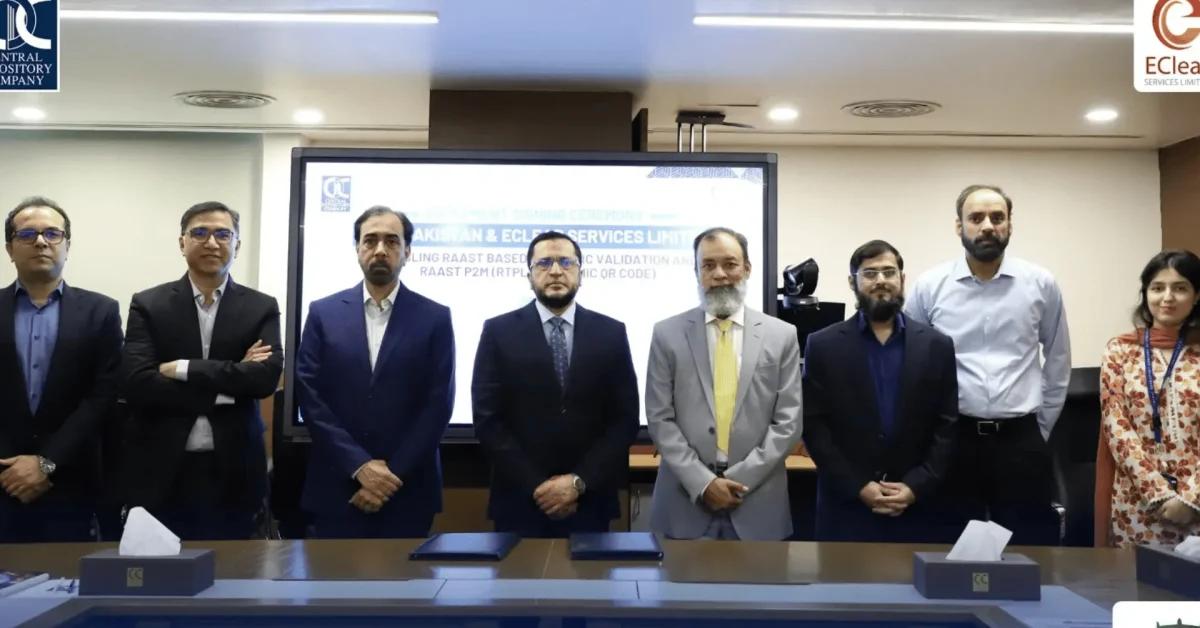
CDC, EClear Expand Raast Digital Payment Services
October 27, 2026
Pakistan’s $2.25 billion lithium-ion battery plant could transform local manufacturing, support electric vehicles and renewable energy, and reduce dependence on costly imports.
Pakistan is preparing to establish a $2.25 billion lithium-ion battery manufacturing facility in Rawalpindi through an agreement involving military-owned Margalla Heavy Industries Limited (MHIL), Chinese partners, and local investors. The project is awaiting government approval of a dedicated manufacturing policy, after which production could begin within six to eight months.
Hamad Ali Mansoor, chief executive of the Engineering Development Board (EDB), told Arab News that the factory’s building and machinery were ready. He confirmed the investment would total $2.25 billion and said the facility would manufacture lithium-ion battery cells for energy storage and electric mobility.
The project comes as Pakistan seeks to reduce its dependence on imported energy technologies and strengthen domestic industrial capacity. Locally manufactured batteries could support solar power installations, renewable energy storage and electric vehicles while helping conserve foreign exchange spent on fuel and imported components.
According to Mansoor, the facility would initially produce batteries with a capacity of approximately 200–300 megawatts before gradually expanding to its planned annual capacity of more than 1,000 megawatts. The agreement was signed in July with a Chinese manufacturer and a Pakistani private-sector investor, whose identities have not yet been disclosed.
The government is also preparing a national lithium-ion battery manufacturing policy that proposes establishing four major factories across Pakistan. Three facilities are planned for the Lahore, Faisalabad and Rawalpindi divisions of Punjab, while another is proposed for Karachi.
The policy is intended to encourage domestic production while requiring manufacturers to export a specified share of their output. Officials say the framework would incorporate international safety and performance standards to support the industry’s development and competitiveness.
Pakistan’s battery storage requirements could rise substantially as demand grows for renewable energy and electric transportation. The EDB estimates that battery energy storage system demand could reach 80,000 megawatts by June 2030 if economic growth remains below 3%, increasing to 100,000 megawatts if GDP growth reaches 5% or higher.
Meeting that projected demand could require four to five gigafactories, with each facility estimated to cost between $1 billion and $1.25 billion. Grid stabilization alone could require 3,000–5,000 megawatts of battery storage, according to the EDB.
The initiative follows approval of Pakistan’s Automotive and Auto Parts Manufacturing Policy 2026–2031 by Prime Minister Shehbaz Sharif. However, the policy’s proposed tax incentives for the electric vehicle sector are awaiting International Monetary Fund approval because of concerns about their potential impact on government revenue.
Pakistan currently assembles batteries and components such as motors, controllers and chargers but remains dependent on imported lithium-ion cells. The proposed manufacturing program aims to expand local production, create export opportunities and strengthen the country’s capacity to meet growing energy storage and electric mobility needs.