
SMEDA Connects Pakistani SMEs With Japan’s J-GoodTech
September 17, 2026ABHI Expands Saudi Wage Access Through Red Sea Partnership
September 18, 2026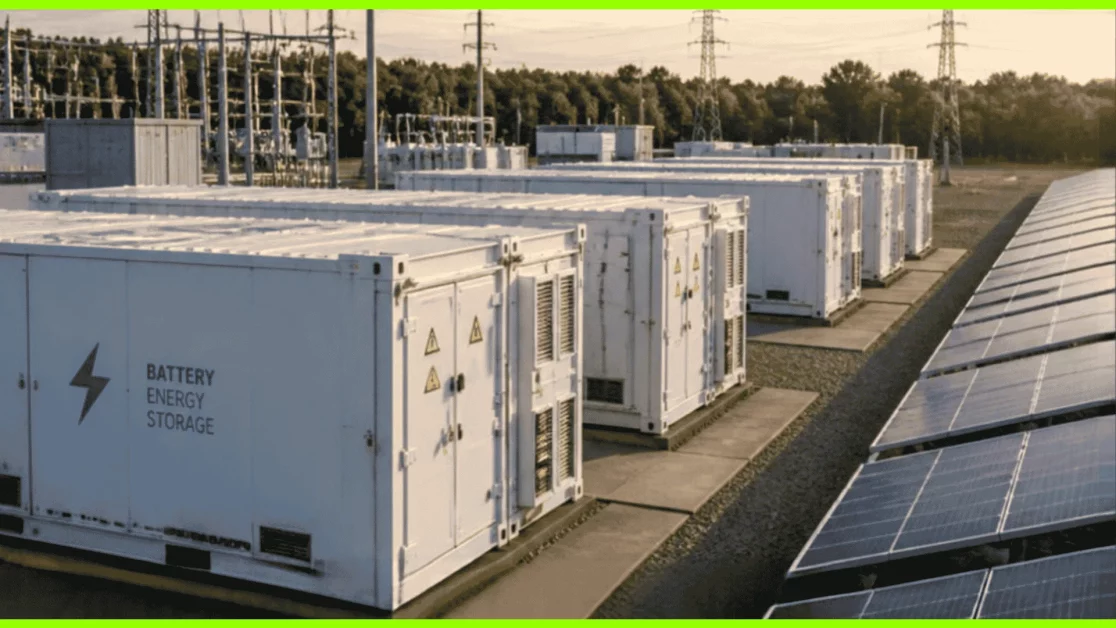
Pakistan plans virtual grids and wider battery storage as the government targets load-shedding, overloaded infrastructure and rising power-sector costs.
Pakistan is advancing plans for a virtual grid system that would let households and businesses generate and store their own electricity, as the government moves to expand battery storage across the power sector. Federal Energy Minister Awais Leghari said regulations for the proposed framework are being drafted and are expected to be finalised by the last quarter of the current fiscal year.
“A battery revolution is coming to Pakistan,” Leghari told reporters after a National Assembly committee meeting, adding that the government wants to boost battery use throughout the electricity network. He said distribution companies (Discos) have been directed to install grid-scale batteries to improve system reliability and support the rollout of virtual grids.
Under the virtual grid model, consumers with rooftop solar and home batteries could feed stored power back into the system during peak hours, reducing reliance on expensive imported fuel and easing pressure on the national grid. Leghari noted that net metering applications remain strong, signalling continued public interest in self-generation and storage solutions.
The initiative forms part of a broader Rs200 billion upgrade plan aimed at modernising the distribution network and shifting load management from entire feeders to individual transformers. Once implemented within about a year, the system would cover roughly 190,000 transformers, allowing targeted outages and protecting bill-paying consumers from blanket blackouts.