
New MoU Targets Pakistan-Australia Investment Opportunities
May 10, 2026
Meta Expands AI Teen Safety Measures in Pakistan
May 10, 2026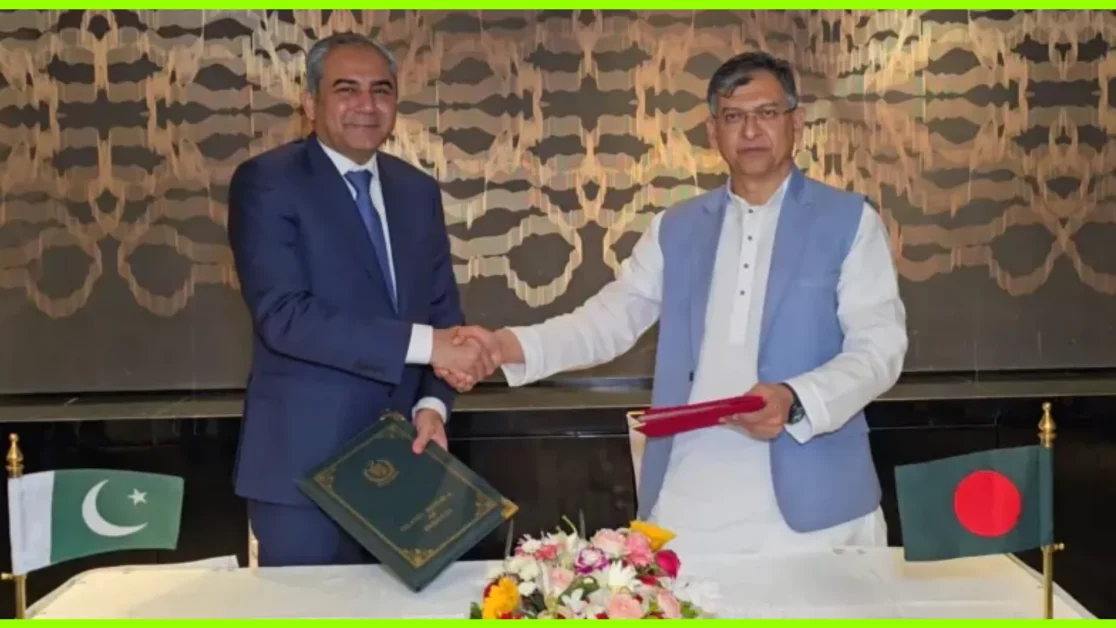
Pakistan and Bangladesh signed an MoU to strengthen cooperation against drug trafficking, organised crime, and narcotics abuse.
Pakistan and Bangladesh have signed a memorandum of understanding aimed at strengthening bilateral cooperation against drug trafficking, narcotics abuse, and organised crime. The agreement was signed during a visit by Mohsin Naqvi to Dhaka, where he met Bangladeshi Home Minister Salahuddin Ahmed.
According to Pakistan’s Ministry of Interior, both countries agreed to enhance intelligence sharing and coordinate efforts to dismantle narcotics trafficking and distribution networks operating across borders. The agreement also includes cooperation in personnel training, technology sharing, and adoption of modern anti-narcotics strategies.
Officials stated that the two sides will establish a secretary-level joint working group to oversee coordination between the respective ministries. Under the MoU, Pakistan and Bangladesh will work together to prevent illegal transportation and smuggling of narcotics while also addressing the growing challenge of drug abuse.
The agreement reflects broader efforts by both countries to strengthen security and law enforcement collaboration. Discussions during the visit also covered counterterrorism, cybercrime, financial fraud, organised crime, and measures to prevent human trafficking.
Naqvi also offered Pakistan’s support for Bangladesh’s Safe City initiatives, saying Islamabad would assist “in every possible way” in the development of urban security infrastructure. The two countries additionally discussed expanding cooperation in police training programmes and civil armed forces capacity building.
The latest engagement signals improving diplomatic relations between Pakistan and Bangladesh following years of strained ties during the tenure of former Bangladeshi prime minister Sheikh Hasina. Relations between the two countries have shown noticeable improvement following political changes in Bangladesh over the past year.
Recent high-level exchanges have included visits by Pakistani officials to Dhaka, including meetings involving Ishaq Dar and interim Bangladeshi leader Muhammad Yunus. Analysts view the growing engagement as part of a wider effort to rebuild bilateral cooperation in trade, security, and regional diplomacy.
According to the United Nations Office on Drugs and Crime, regional cooperation and intelligence sharing remain essential for combating transnational narcotics trafficking and organised crime networks in South Asia.