
FBR Demands Rs2.2bn Salary Tax From PIA
June 24, 2026
PTA Opens MVNO Licensing, Unlocking Pakistan’s Telecom Market
June 25, 2026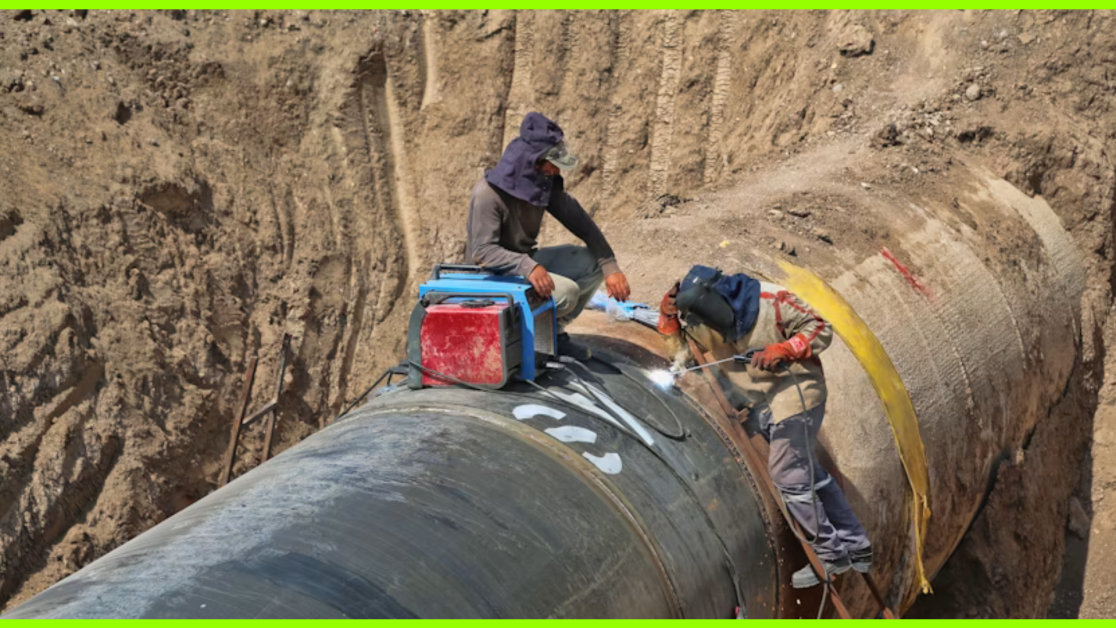
SIFC greenlights 435km Machike-Thallian-Tarru Jabba white oil pipeline to cut road transport reliance, lower logistics costs and bolster Pakistan’s northbound fuel corridor.
The Special Investment Facilitation Council (SIFC) has facilitated formal approval of the 435 kilometre Machike-Thallian-Tarru Jabba White Oil Pipeline, a move officials say will transform Pakistan’s fuel logistics and energy security.
The pipeline, long listed on SIFC’s priority agenda, will create a dedicated south to north corridor for refined petroleum products from Machike near Lahore to Tarru Jabba near Peshawar. The MoU for the project was signed under SIFC’s platform, signalling the council’s hand in attracting international partners and clearing regulatory hurdles.
SIFC said the project will shift large volumes of petrol and diesel off highways and into an underground network, cutting reliance on road tankers that currently carry most white oil across provinces. “The White Oil Pipeline will establish a vital south to north corridor for white oil transportation across Pakistan,” the council said in its statement.
Officials expect the pipeline to reduce logistics costs and fuel losses while improving delivery reliability. Moving product from depots such as Machike to consumption centres via pipeline could also lower accident risk and environmental impacts linked to long haul tanker convoys on motorways.
Beyond operational benefits, the project is pitched as an economic catalyst. Planners anticipate job creation during construction, modernization of the nation’s energy infrastructure and a stronger signal to foreign investors about Pakistan’s ability to enable large-scale projects. SIFC highlighted that resolving inter agency challenges helped fast-track approvals and attract consortium partners.
The Frontier Works Organisation (FWO) leads project execution through a consortium that includes Pakistan State Oil and Inter-State Gas Systems; Azerbaijan’s SOCAR holds a 25% stake in the project company, Frontier Oil Company-I. The pipeline will connect existing networks and offer tie-ins to refineries and depots, extending the white oil grid toward Khyber Pakhtunkhwa.
Analysts say the pipeline’s success will depend on steady financing, timely land and environmental clearances, and robust project governance to avoid cost overruns. If delivered on schedule, the Machike-Thallian-Tarru Jabba line could mark one of Pakistan’s most significant steps in modernizing fuel distribution and strengthening the country’s northbound energy corridor.