
Zindigi, WASA Lahore Launch Raast QR Payments
June 14, 2026
Pakistan Sets Eye on PTV and PBC Digitisation
June 14, 2026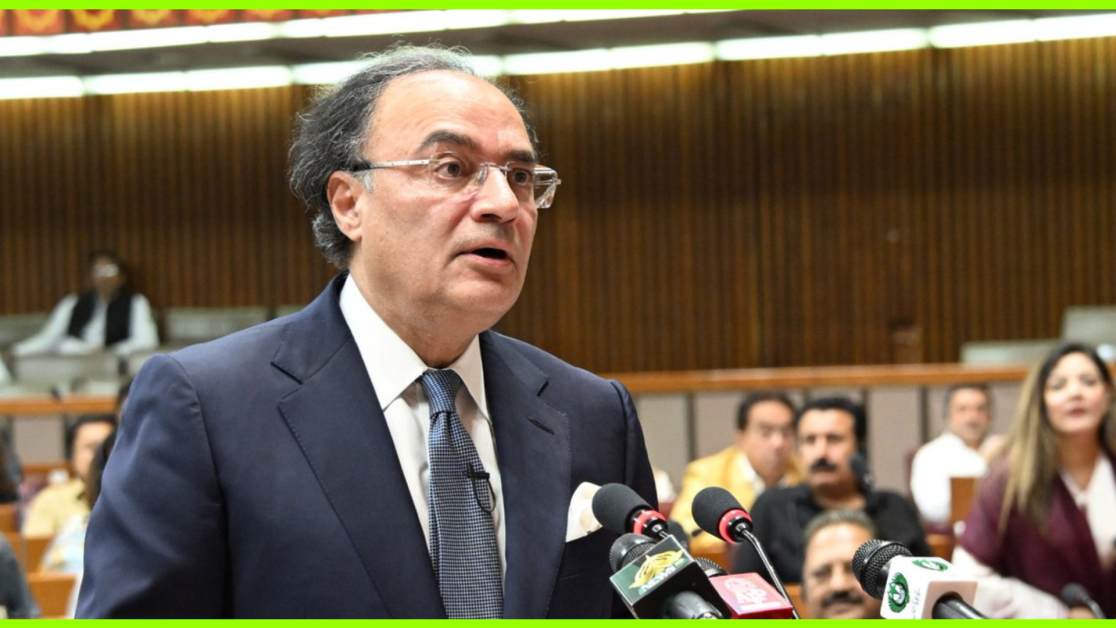
IMF expresses satisfaction with Pakistan’s macroeconomic progress under EFF and RSF but flags revenue shortfalls and reform delays as medium-term risks.
Pakistan’s federal budget for FY2026-27 introduces a series of reforms aimed at strengthening the country’s digital economy, supporting technology exports, encouraging investment and expanding digital infrastructure.
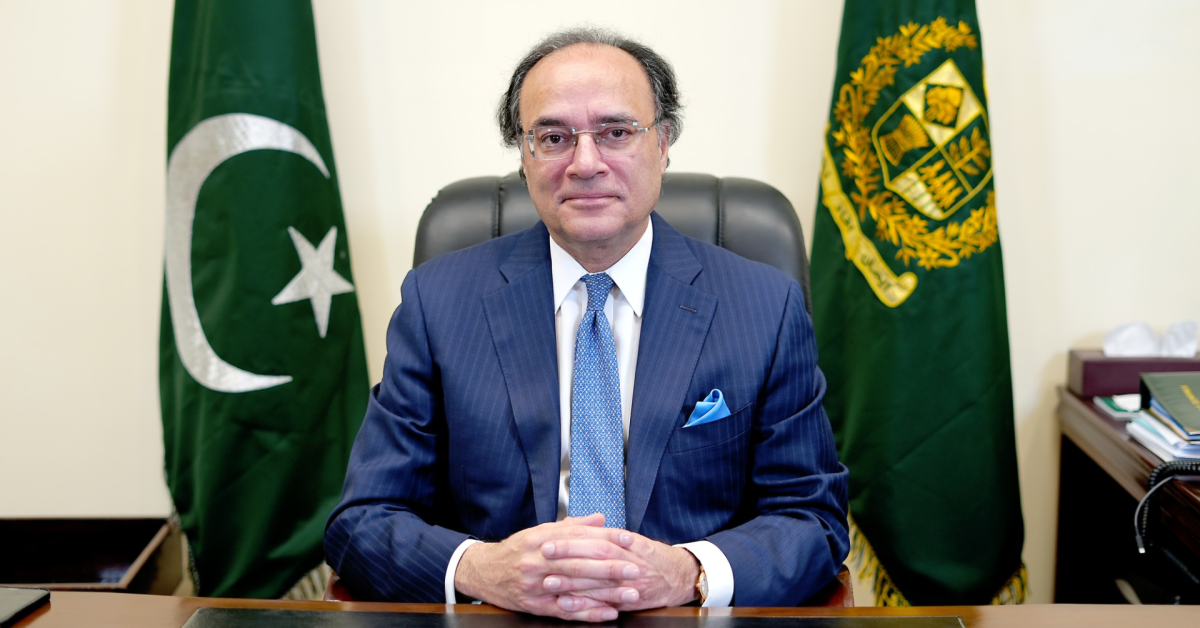
Presented by Finance Minister Muhammad Aurangzeb, the Finance Bill includes measures targeting the information technology, telecommunications and startup sectors as part of the government’s broader strategy to position Pakistan as an innovation-led economy.
One of the most significant announcements is the extension of the concessionary 0.25 percent tax rate on IT exports under Section 154A through Tax Year 2029. The measure provides longer-term tax certainty for exporters and technology firms, supporting investment and growth across the sector.
The budget also substantially reduces advance tax on foreign payments made through credit, debit and prepaid cards from 5 percent to 0.5 percent. The reduction is expected to lower costs for businesses and freelancers that rely on international software licences, cloud services and Software-as-a-Service (SaaS) platforms.
According to the government, Pakistan’s IT exports reached $4.5 billion during the current fiscal year, reflecting growth of more than 20 percent year-on-year.
Additional tax relief has been introduced for salaried professionals. The income threshold for the highest 35 percent tax bracket has been raised from Rs4.1 million to Rs7 million annually, while the associated surcharge has been removed. The budget also introduces a 10 percent tax credit for businesses integrating with the Federal Board of Revenue’s digital systems, creating opportunities for software providers and technology vendors.
On the telecommunications side, the government has maintained a zero percent customs duty on submarine cable landing station equipment, supporting investment in international connectivity infrastructure, cloud services and data centres. Existing zero-duty treatment on smartphones also remains in place, while the Rs250 customs duty on feature phones has been abolished to improve affordability and access to mobile connectivity.
The budget further includes measures aimed at strengthening Pakistan’s startup ecosystem. Startups have been exempted from Section 153 withholding tax, reducing cash flow constraints often associated with tax refund procedures. Venture capital funds will also benefit from the restoration of tax pass-through treatment, while super tax has been abolished for companies earning below Rs500 million and reduced for larger businesses.
Commenting on the reforms, Shaza Fatima Khawaja, Federal Minister for IT and Telecom, described the budget as a strategic step toward building a resilient and competitive digital economy. Officials say the combined measures are expected to support exports, attract investment, encourage entrepreneurship and strengthen Pakistan’s position as a growing regional technology hub.