
UK Delegation Visits SIFC to Strengthen Pakistan Investment Ties
June 12, 2026
Myco Backs BuyPass to Expand Video Commerce in Pakistan
June 13, 2026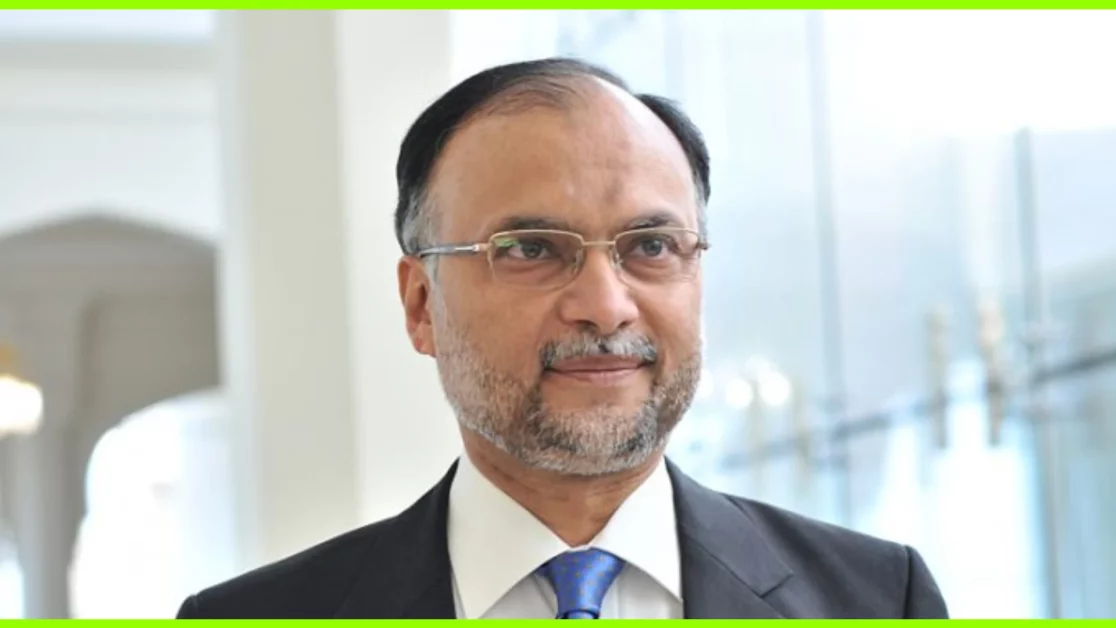
A proposed governance model would give Islamabad an elected assembly and local chief executive, expanding citizen participation in city administration.
A proposal to introduce an elected governance structure for Islamabad has been placed before the public, potentially paving the way for one of the most significant administrative reforms in the capital’s history.
The proposed Islamabad Capital Territory (ICT) Governance Model was presented during a public consultation led by Federal Minister for Planning, Development and Special Initiatives Ahsan Iqbal. The plan seeks to replace the capital’s existing administrative framework with a system that offers residents greater representation in local decision-making.
Under the proposal, Islamabad would have its own 27-member elected assembly, consisting of 21 general seats, five reserved seats for women and one seat for minorities. The assembly would be empowered to elect a chief executive, either in the form of a chief minister or mayor, who would oversee the territory’s administration.
The suggested framework also envisions granting the ICT administration substantial financial and operational authority in areas such as education, healthcare, environmental management and municipal services. However, responsibilities related to security and the city’s master planning would remain under the federal government.
Speaking at the consultation, Iqbal said Islamabad’s rapid population growth and expanding service requirements have highlighted the need for a governance structure better suited to a modern capital city. He argued that the existing system was designed for a much smaller population and no longer adequately reflects the city’s evolving needs.
“Islamabad must not only be the seat of the Federal Government; it must become a model city for governance, sustainability, innovation and quality of life,” he said.
The proposal emerged from recommendations prepared by a committee established by Prime Minister Shehbaz Sharif to evaluate Islamabad’s administrative arrangements and suggest reforms. Before any final decision is made, the government has chosen to seek public input by sharing the draft framework with citizens, experts and civil society representatives.
In addition to the elected assembly, the plan includes the creation of several specialized institutions dedicated to sectors such as health, education, social welfare, tourism, environmental management and digital governance. The objective is to improve service delivery through more focused administration and stronger institutional oversight.
Officials involved in the process said the proposed reforms are intended to increase accountability, strengthen public participation and create a governance model capable of responding more effectively to the needs of a growing urban population.
The consultation also outlined a broader vision of Islamabad as a technology-driven and environmentally sustainable city. Policymakers emphasized the use of digital tools and data-based governance to improve public services, urban management and citizen engagement.
Participants at the event, including elected representatives, urban planners, academics and civil society members, broadly welcomed the direction of the proposals while calling for clear implementation timelines and safeguards to ensure meaningful devolution of powers.
If approved, the reforms would represent a major shift in the administration of Islamabad, moving the capital toward a more representative governance structure with greater local accountability and citizen involvement.