

GSMA Opens £250,000 AI Innovation Fund for Pakistani Startups
November 12, 2026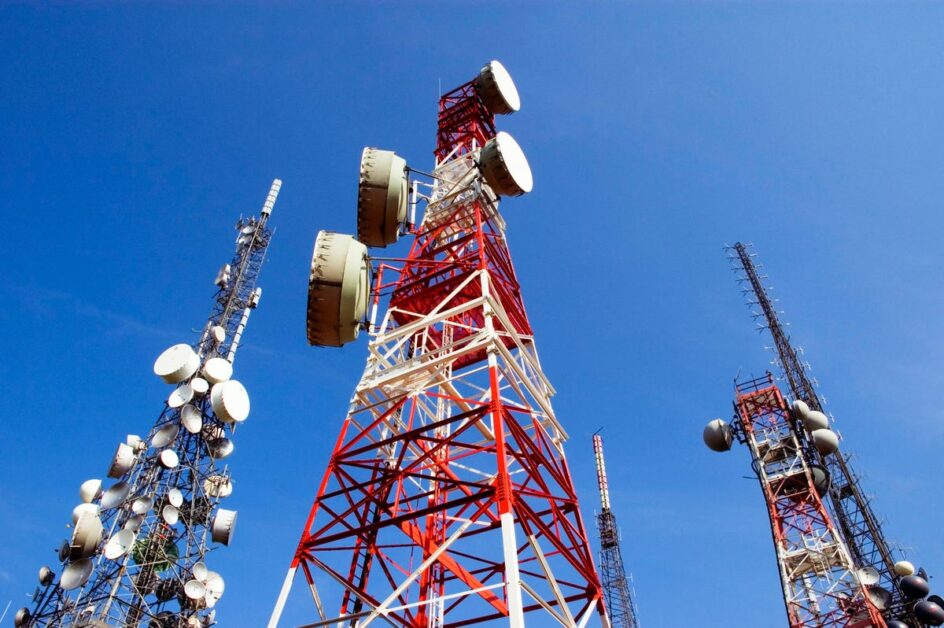
The Prime Minister’s Office has directed a task force to finalise recommendations on extending industrial electricity tariffs to telecom operators. Jazz, Zong, Ufone, Telenor and PTCL say rising power and fuel costs are threatening planned investment of approximately $2 billion in 5G and digital infrastructure.
The Prime Minister’s Office (PMO) has directed a special task force to finalise recommendations for extending industrial electricity tariffs to Pakistan’s telecommunications sector, potentially reducing operating costs for mobile network operators and supporting investment in digital infrastructure.
The task force has been asked to consult the Power Division and Finance Division and submit proposals covering the financial implications and a mechanism for absorbing the difference between commercial and industrial electricity rates. The recommendations will be considered by the federal government.
According to Profit, the directive follows a joint request to Prime Minister Shehbaz Sharif from the chief executives of Jazz, CMPak (Zong), PTMIL (Ufone and Telenor) and PTCL. The operators want industrial electricity rates extended to licensed telecommunications infrastructure, arguing that the sector continues to face higher commercial tariffs despite being recognised as an industry under government policies and legislation.
A separate report by Business Recorder detailed the task force’s mandate and the proposed tariff framework. Formed on June 29, 2026, under the Secretary of the Ministry of IT and Telecommunication, it was assigned to examine industrial electricity tariffs, smart-grid solutions and dedicated power feeders. Its first meeting took place on August 4.
The telecom companies say commercial electricity tariffs for their sites have increased by approximately 197% since 2018, while fuel costs have risen around 300%. Average revenue per user has declined by approximately 22% over the same period, alongside an additional 5% withholding tax burden.
The operators warn that rising expenses could affect approximately $2 billion in planned investment over the next three years for 5G deployment, fibre expansion and AI-ready data centres.
They have proposed applying industrial rates to cellular towers, switching centres, exchanges, data centres, fibre nodes and network operating centres. Corporate offices, customer service centres, franchises and retail outlets would remain excluded, with the Pakistan Telecommunication Authority (PTA) certifying eligible infrastructure.
Alternatively, the companies have suggested creating a dedicated Digital/Telecom Infrastructure electricity consumer category. They have also pledged to reinvest savings into 5G expansion, rural connectivity and fibre-to-the-home services.
Industry estimates suggest lower grid tariffs could encourage greater grid consumption and reduce reliance on off-grid solar, although these projections have not been independently verified.
The proposal remains under review. No final tariff change has been approved, and implementation will depend on the task force’s recommendations and federal government approval.