

P@SHA Urges Restraint in Cyber Raids
November 11, 2026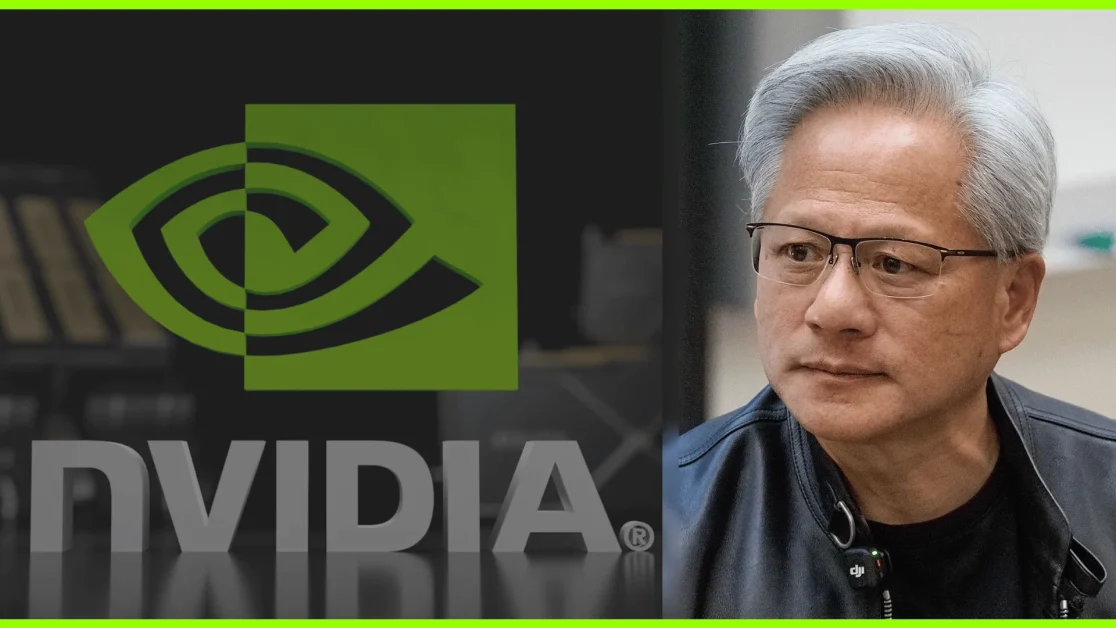
Federal investigators have opened inquiries into Nvidia CEO Jensen Huang regarding personal ties to an alleged Chinese intelligence operative, triggering boardroom reviews, shareholder litigation, and renewed geopolitical debate surrounding artificial intelligence supply chains.
Federal law enforcement authorities have initiated an active inquiry into Nvidia Chief Executive Jensen Huang following revelations concerning his relationship with a businesswoman linked to Chinese intelligence networks, United States President Donald Trump confirmed during a White House briefing.
Addressing reporters from the podium, Trump indicated that federal agents are examining the circumstances surrounding Huang’s personal interactions with Alice Huang, a former Singapore-based tech executive identified by intelligence agencies as gathering sensitive trade intelligence for Beijing. While confirming the federal scrutiny, Trump sought to temper public alarm, remarking that the executive had acknowledged the relationship in private discussions but vehemently denied possessing any awareness of the operative’s espionage affiliations.
The controversy has generated immediate corporate reverberations for the world’s preeminent designer of artificial intelligence processors. Nvidia’s independent board committee initiated a comprehensive internal investigation to establish whether proprietary silicon designs, proprietary firmware, or advanced semiconductor supply data were compromised, while the company faced an immediate shareholder class action in federal court over disclosure compliance and fiduciary oversight.
Capitol Hill lawmakers have seized on the revelation to press for stricter statutory boundaries on advanced computing exports. Congressional leaders warned that foreign intelligence services are increasingly deploying unconventional influence operations to pierce commercial AI architectures, arguing that national security considerations must supersede corporate lobbying for overseas silicon shipments.
As geopolitical friction escalates around strategic computing assets, the inquiry against Silicon Valley’s most recognizable semiconductor leader highlights the precarious nexus of executive conduct, advanced microprocessor dominance, and national security in the artificial intelligence era.