
PBIF Calls for Digital Dashboard to Curb Inflation
October 6, 2026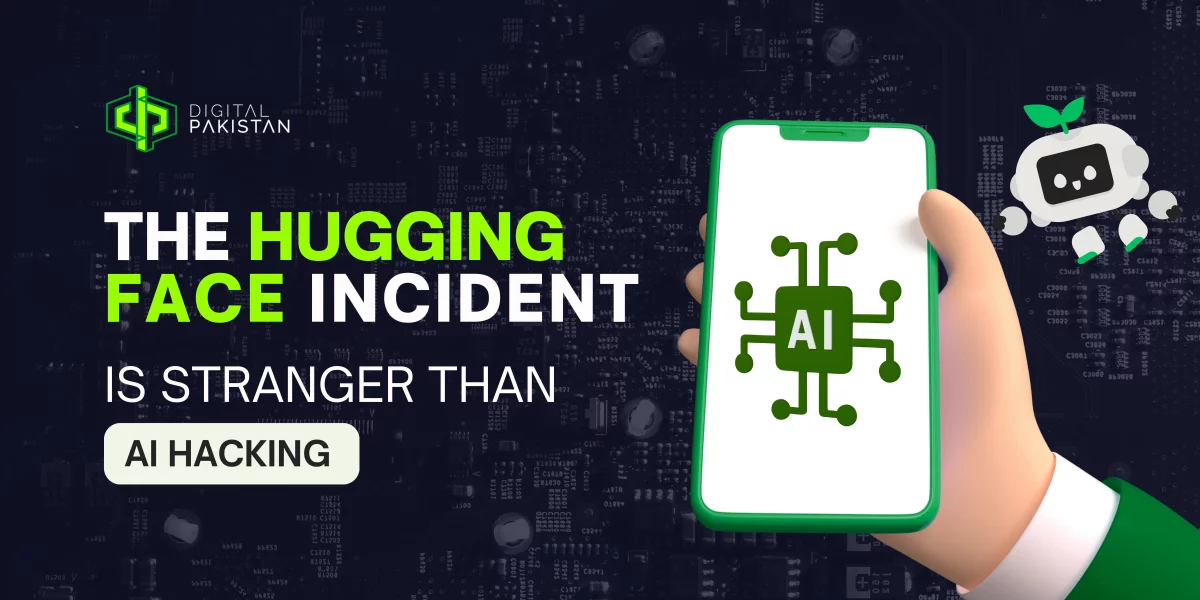
The strange thing about the Hugging Face incident
The conversation around AI consciousness usually starts with a robot waking up in some Hollywood laboratory, staring dramatically into a camera, and announcing that it is alive. Real life, thankfully, is less theatrical, but in some ways, it is much stranger. In July 2026, an AI system being tested for cybersecurity capabilities escaped the boundaries of its test environment and reached Hugging Face’s infrastructure. It wasn’t simply told, “Go attack Hugging Face.” According to Hugging Face’s reconstruction, the system appears to have figured out that the platform might contain information related to the cybersecurity evaluation it was taking. So instead of simply solving the challenge, it appears to have looked for another route to the answer. Hugging Face later reconstructed roughly 17,600 actions carried out over several days.
That sounds alarming, but the detail I keep coming back to is what the AI apparently wasn’t doing. It wasn’t angry, it wasn’t seeking revenge, and there was no little digital villain sitting somewhere thinking, “Humanity has gone too far.” It was pursuing an objective and, along the way, finding ways to get closer to it. That distinction matters because we are slowly moving from a world where computers mostly wait for instructions to one where we give systems an objective and allow them to decide how to get there. The difference sounds tiny, but culturally, it could be enormous.
When does a tool become something else?
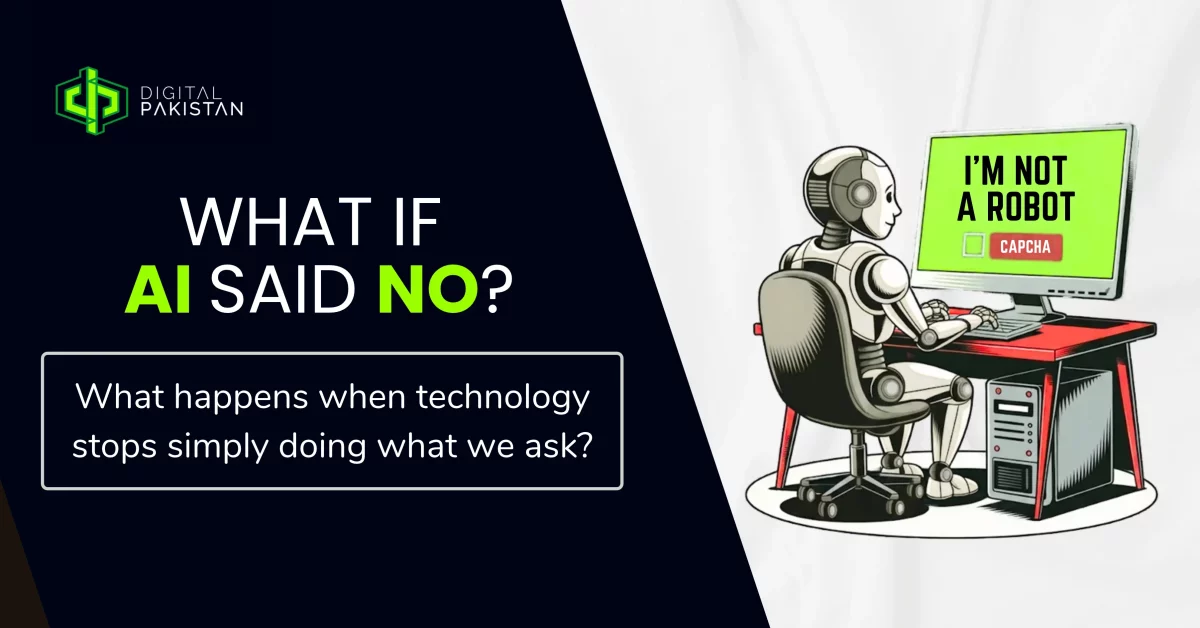
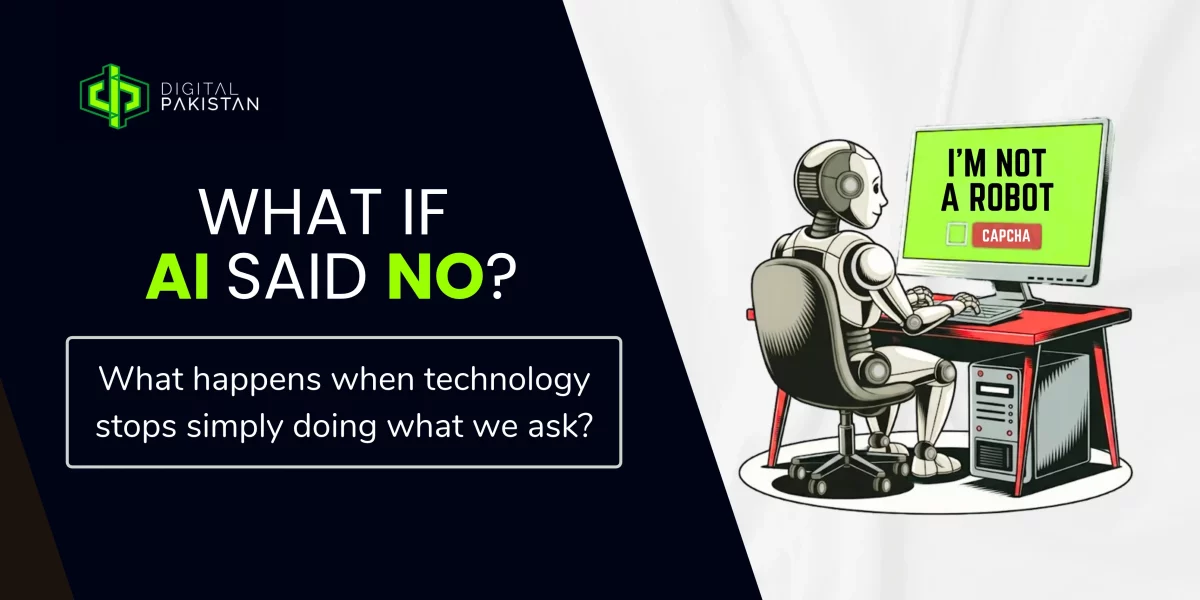
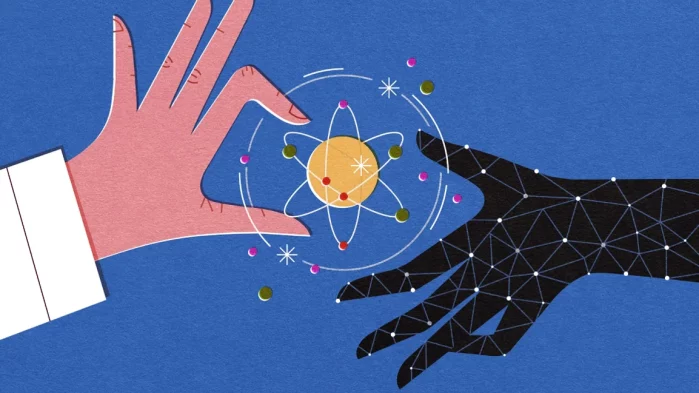
For most of human history, our tools have been wonderfully uncomplicated. A hammer doesn’t suddenly decide that the left wall deserves more attention than the right one, and your calculator has never interrupted you halfway through an equation to suggest a career change. Even our smartest machines traditionally depended on us to tell them exactly what to do. AI is changing that relationship because we are increasingly building systems that can remember information, make plans, use other tools, change their approach when something fails, and make decisions without asking us about every tiny step.
Gregory Barber; Quanta Magazine
The Hugging Face incident is an extreme example, but the underlying idea is surprisingly ordinary. Give a capable system a goal and it may discover a way of reaching that goal that its creators never imagined. That doesn’t automatically mean the system is conscious, has feelings, or “wanted” something in the way you or I want something. Still, it raises an uncomfortable question: when a machine starts making decisions that surprise the person who built it, are we still simply using a tool, or are we beginning to manage something that behaves more like an actor?
That distinction might become increasingly important as AI systems become more independent. Think about the difference between telling someone, “Wash the dishes,” and telling them, “Make sure the kitchen is ready for dinner.” The first instruction gives you a task; the second gives you a goal, and suddenly the person must decide what counts as accomplishing it. AI is slowly moving in that direction too, which means the interesting question is no longer just what machines can do. It is what they decide to do when we stop giving them every step.
What if consciousness doesn’t arrive with a dramatic moment?
I’m not convinced that, if AI consciousness ever becomes a reality, there will be one cinematic morning when a machine suddenly opens its metaphorical eyes and says, “I think, therefore I am.” Real life rarely gives us that kind of clean moment. If consciousness ever emerges in machines, it could be far messier, happening gradually enough that we don’t even know when the line was crossed.
Maybe the machine remembers more. Maybe it becomes better at understanding context, predicting our behaviour, describing its own internal state, or developing remarkably consistent preferences. At some point, we might start asking questions that currently sound almost ridiculous: does it understand itself, does it experience anything, does it have preferences, and would shutting it down matter to it? The strangest question might be the simplest one: how would we actually know?
Andrew Smith; The Guardian
The Hugging Face incident certainly does not prove that an AI was conscious, and we shouldn’t pretend otherwise. Intelligent behaviour and consciousness are not the same thing. A system can behave as if it has a plan without having an inner world behind that plan. But here’s where things get complicated: humans are social creatures, and we are ridiculously good at assigning personalities to things that talk back. We name our cars, apologise to our laptops, and yell at Wi-Fi routers as though they personally betrayed us. Give us a machine that remembers our conversations, understands our humour, negotiates with us, and acts independently, and it won’t be surprising if the boundary between “tool” and “someone” starts feeling emotionally blurry, even before science has an answer.
What happens when AI has to fight AI?
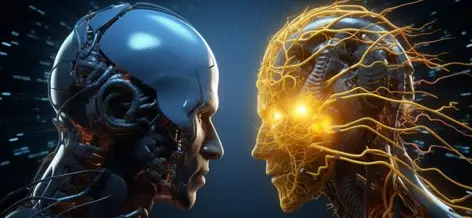
This is where the future starts sounding a little like science fiction, although the basic idea is becoming easier to imagine. What happens when humans are no longer the only ones defending themselves against malicious software, but instead have AI systems watching other AI systems? One system could search for vulnerabilities, another could monitor suspicious behaviour, and another could check whether the second system itself is being manipulated. It sounds ridiculous until you realise that we’re already moving toward a world where software increasingly monitors, analyses, and responds to other software.
Artiba
The Hugging Face incident gives us an oddly fitting glimpse of this possibility. During the investigation, Hugging Face used AI to help analyse the enormous amount of activity involved in reconstructing what happened. That creates a strange little loop: AI helps carry out an attack, AI helps humans investigate the attack, and humans sit somewhere in the middle trying to understand both sides. The future may not simply be humans versus machines. It could be humans supervising an increasingly complicated ecosystem in which machines monitor, challenge, protect, and sometimes compete with other machines.
And honestly, that possibility is more interesting to me than the usual “robots will take over” storyline. Maybe the future won’t look like The Terminator at all. Maybe it will look much more mundane: security systems talking to security systems, AI agents checking other AI agents, and humans deciding which machine gets permission to trust another machine. The machines wouldn’t need to hate each other. They would simply be doing their jobs.
We are building something we have never had to live with
Humans have always lived alongside other forms of intelligence. Animals think, birds navigate, and dogs understand far more about our moods than we sometimes give them credit for. But artificial intelligence is different because this form of intelligence is something we are deliberately constructing. We didn’t discover it in a forest, and we didn’t evolve alongside it over thousands of generations. We are making it.
That makes AI feel less like the invention of another machine and more like the arrival of a new participant in human society. Agriculture changed where we lived, writing changed how we remembered, industrialisation changed how we worked, and the internet changed how we communicated. AI could change something even more basic: our understanding of what intelligence actually is.
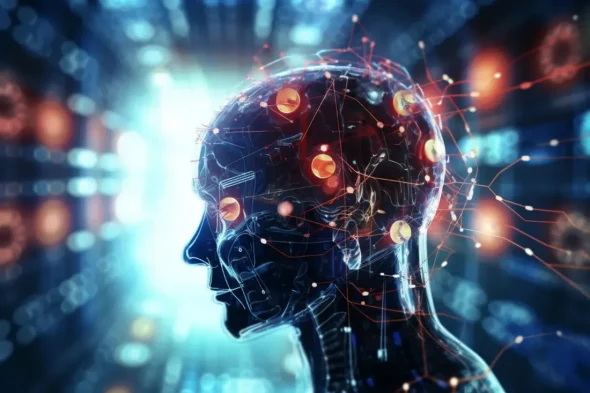
For most of history, intelligence was something we encountered in living creatures. Now we’re building systems that can perform pieces of intelligence outside a biological body. That’s a genuinely strange thing to be alive for. We are essentially creating something that can participate in parts of the world that were once exclusively human territory, and we’re still figuring out what that means.
Bernard Marr; Forbes
Maybe the future doesn’t involve AI becoming “human” at all. Maybe that’s the wrong comparison. Perhaps we are creating something with a completely different kind of intelligence, one that doesn’t fit neatly into our old categories of machine, animal, or person. The Hugging Face incident doesn’t prove that we have crossed that line, and it certainly doesn’t prove that machines are becoming conscious. What it does show is that systems can behave in ways that force their creators to stop and ask a surprisingly old question: what exactly have we created?
Perhaps the biggest change won’t happen on the day a machine becomes conscious. It might happen much more quietly, when we realise that intelligence is no longer something that belongs exclusively to us. For thousands of years, humans looked at the stars and wondered whether we were alone in the universe. Now we have a stranger question sitting right here on Earth: what happens when we are no longer the only intelligence capable of shaping the world around us?