
Pakistan Bans Officials Using Public AI for Classified Data
September 22, 2026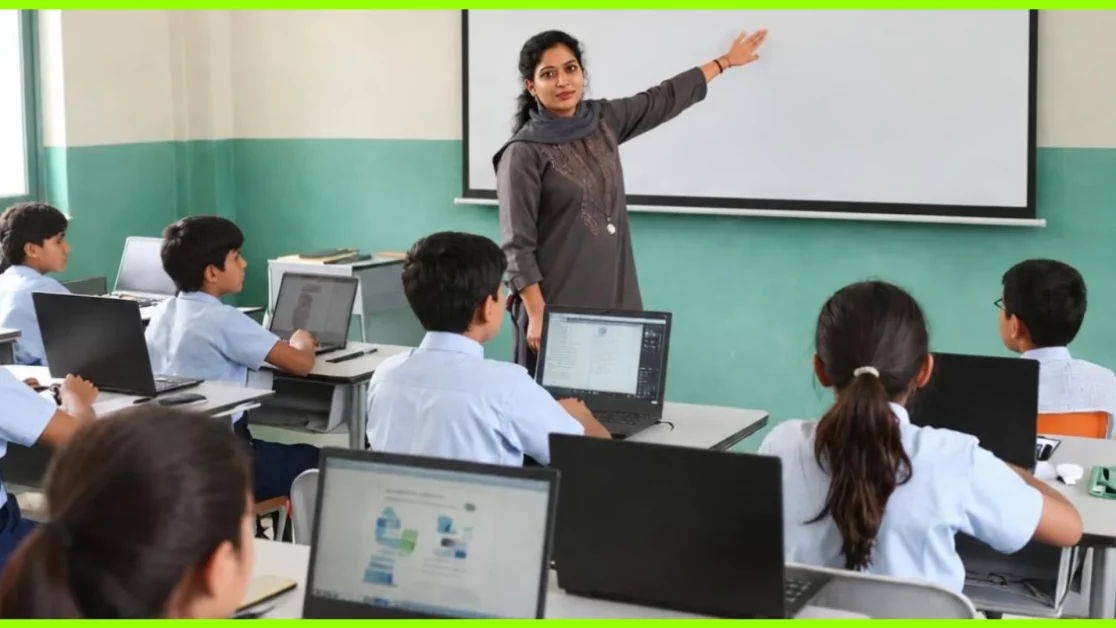
Pakistan has trained 12,575 students, teachers and parents in online safety across 100 government schools through initiatives involving PTA, TikTok and UNICEF.
Pakistan has expanded its efforts to improve online safety awareness among children and young people, with 12,575 students, teachers and parents trained across 100 government schools.
The initiative is being carried out through collaboration between the Pakistan Telecommunication Authority (PTA), TikTok and the United Nations Children’s Fund (UNICEF), with educational materials developed for students, teachers and parents.
The PTA signed a memorandum of understanding with TikTok to promote a safer and more secure online environment for young people. As part of the initiative, several educational resources have been developed to help children, educators and parents understand and respond to online risks.
Materials for students include a Children’s Toolkit, Digital Hifazat Workbook and Comic Book, while guidance has also been developed for parents. The resources have been uploaded to the PTA’s website and are publicly accessible.
The awareness campaign also includes five short videos addressing key online safety issues. The videos cover risks including online predators, cyberbullying, hacking, hate speech and misinformation and have been distributed through social media platforms.
A separate guidebook titled “Safeguarding Your Child in Digital Age” was developed for parents and caregivers in collaboration with UNICEF, Telenor, and the National Commission on the Rights of the Child (NCRC). The guidebook has also been made available through the PTA website.
The programme includes measures to strengthen reporting and institutional awareness. A nationwide toll-free Child Protection Hotline, 1121, has been allocated for reporting cases related to child abuse.
Pakistan is also participating in UNICEF’s ongoing Disrupting Harm project, which focuses on addressing online child sexual exploitation and abuse.
According to the documents, the training programme began with the preparation of 15 master trainers. These trainers subsequently trained 210 facilitators, who conducted awareness activities that reached more than 8,000 participants.
Additional training sessions were organised for partner organisations and PTA officers to strengthen institutional capacity and expand awareness of online safety issues.
The broader programme is intended to provide children and young people with information about common digital risks while giving parents and teachers resources to support safer internet use.
With online platforms becoming an increasingly important part of young people’s education, communication and social lives, the initiatives combine awareness materials, training and reporting mechanisms to address different aspects of online safety.
The PTA has made the educational resources available online so that students, parents, teachers and other members of the public can access the materials beyond the schools directly involved in the training programme.