
Zong Launches First-of-its-Kind Smart Waste Management Stations
September 21, 2026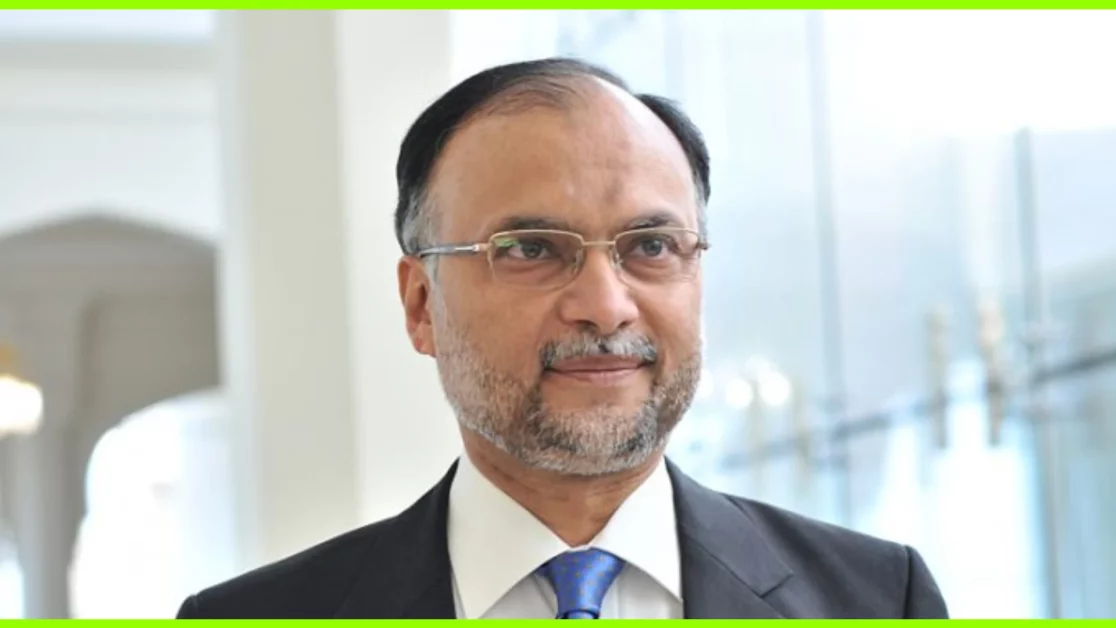
Planning Minister Ahsan Iqbal says Pakistan must raise exports beyond $100B by 2035 by building non-traditional sectors, productivity, innovation, and digital capacity.
Pakistan’s planning minister, Ahsan Iqbal, says Pakistan must break from “traditional economic thinking” to reach a $1 trillion economy by 2035by pushing exports above $100 billion. He argues that rice and textiles won’t be enough, and the country needs new export engines in engineering and manufacturing.
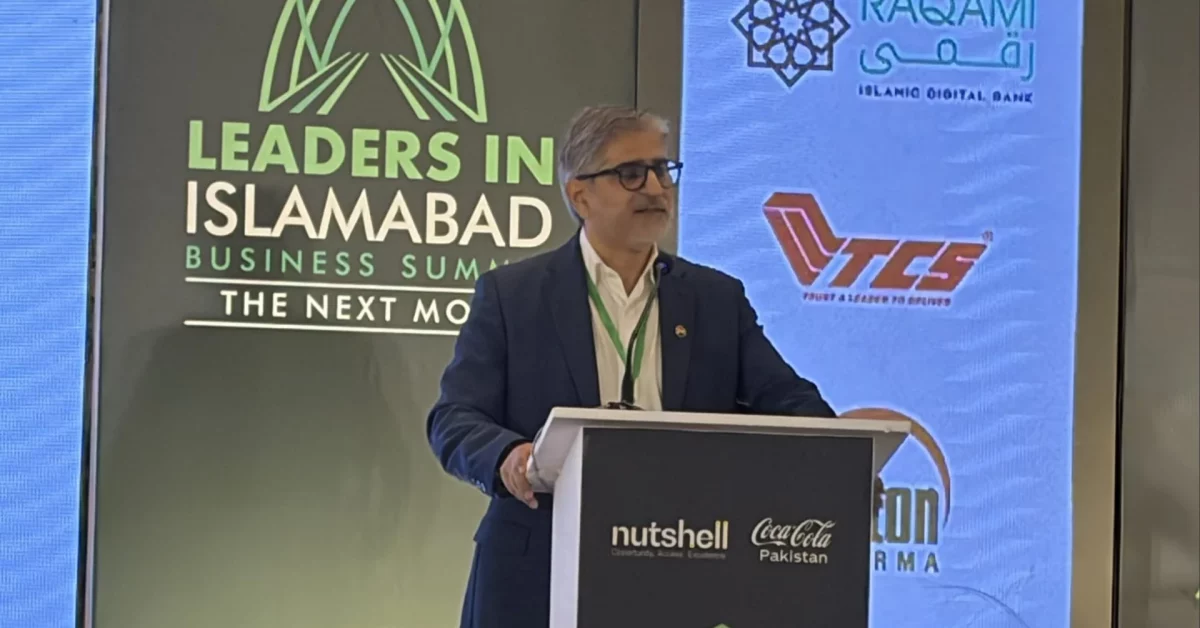
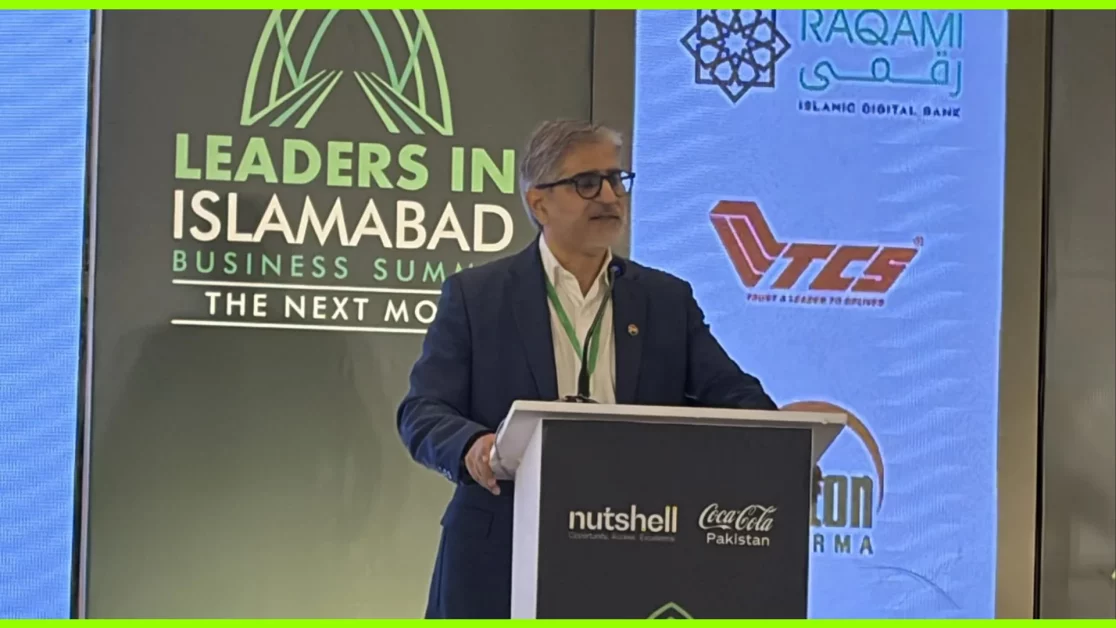
Speaking in Lahore at an auto industry event, Iqbal said Pakistan would have to develop non-traditional sectors to strengthen the economy and move beyond what he called familiar export streams. “Exports… rice and traditional textiles alone would not be enough to meet the $100 billion export target,” he said, according to Samaa TV.
But the shift is not just about what Pakistan exports, it’s how the economy grows, consistently, over time. In a separate address, Iqbal stressed that stabilization alone isn’t development, and Pakistan must convert macroeconomic steadiness into productivity-led growth driven by exports, innovation, and investment.
“Stabilization is necessary, but stabilization alone is not development. Pakistan cannot austerity its way to prosperity,” Iqbal said, adding that prosperity must be earned through “productivity, innovation, investment and exports,” as reported by MG News. He framed the goal as building national capabilities for what Pakistan can produce and sell competitively in 2035 that it cannot today.
Under URAAN Pakistan, the government’s transformation framework centers on five pillars: exports; enterprise and employment; e-Pakistan and the digital economy; environment and climate resilience; energy and infrastructure; and equity, ethics and empowerment. Iqbal also warned that a large youth cohort becomes a demographic liability without investment in education, skills, and healthcare, according to MG News and Business Recorder.
Digital trade and industrial upgrades are also being positioned as the route to scale. Iqbal said Pakistan’s IT and ICT exports reached a record $4.6 billion and pushed a broader digital agenda that includes AI centers, broadband expansion, and closing the mobile internet gender gap, reported by Business Recorder.
The message is blunt: Pakistan can’t just stabilize and wait, success requires policy continuity, export transformation, and capabilities that can stand up to global competition. Or, in Iqbal’s words, development is the “compound interest of good policies consistently implemented over time,” Business Recorder reported.