Pakistan Names Its First Lunar Rover Jinnah-1
August 16, 2026
NADRA Introduces QR-Based CNIC for Faster Verification
August 16, 2026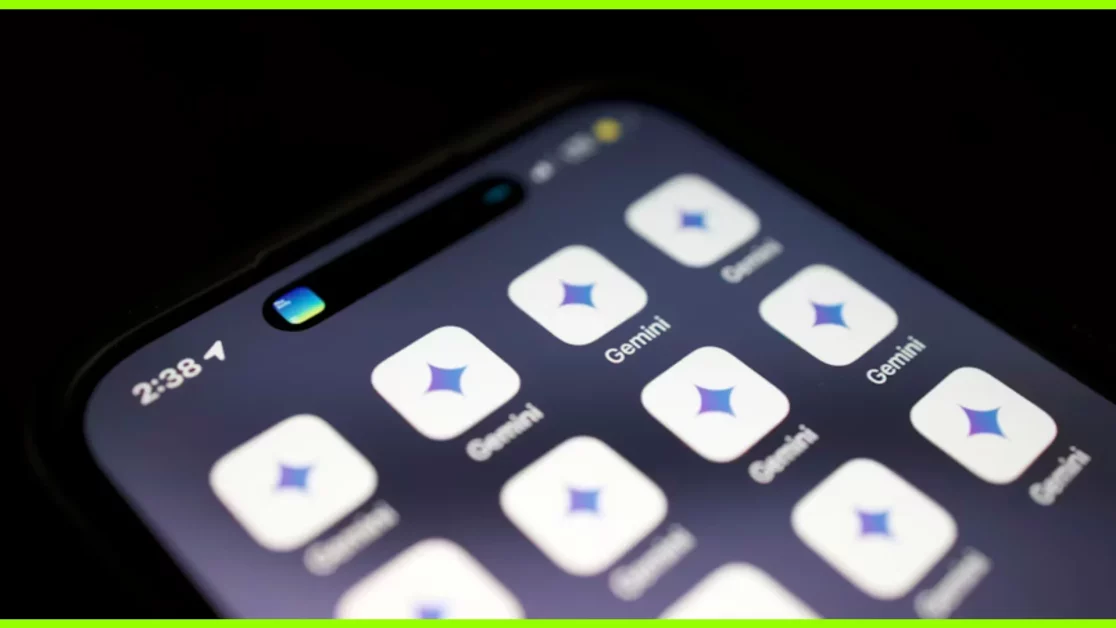
Google now allows users to remove visible watermarks from Gemini-generated images, videos, and songs, while invisible SynthID watermarks and C2PA metadata remain intact for transparency.
Google just handed creative professionals a setting they have been quietly asking for. The company announced on August 14 that users can now remove the visible watermark from AI-generated content produced by Gemini, including images, videos, and songs.
The change, confirmed by Josh Woodward, Google’s VP for Gemini, via a post on X, applies to Gemini’s Nano Banana, Omni, and Lyria models, with availability in the Gemini app and Google’s AI-powered video editor Flow, and support for Search coming soon.
The move draws a deliberate line between visible labelling and technical transparency. Turning off the visible watermark will have no effect on Google’s invisible SynthID watermark, which has already been used to mark over 10 billion pieces of AI-generated content, or on C2PA standard-related metadata embedded in files.
In practice, this means AI-generated content can look clean and professional for end use, while retaining the invisible markers that allow platforms, tools, and regulators to identify it as machine-made.
Woodward framed the decision as a calibrated trade-off: “We’re striking a balance here between creative control and safety: while the visible watermarks are now optional, invisible SynthID watermarks and C2PA metadata are still being used for transparency. So you can still use Gemini or Search to see if an image was AI-generated.”
Once the feature rolls out in the coming days, users can access it via Settings > Media Watermark to toggle the visible mark on or off.
Google also used the occasion to open-source a new developer library called Credentio, which allows developers to embed a local C2PA content validation mechanism directly into their own applications. The move deepens the ecosystem of tools available to verify AI content provenance without relying on centralised platforms.
The announcement arrives in the same week that Anthropic confirmed it will watermark text and files generated by Claude to comply with EU regulations, a move that has divided users who worry about detection in professional and academic contexts.
Google’s approach, making visible watermarks optional while preserving invisible ones, offers a contrasting model: transparency built into the file itself rather than stamped on the surface.
As AI-generated content becomes indistinguishable from human-produced work, how and whether that content is labelled is fast becoming one of the most contested policy questions in the technology industry.