
Pakistan and New Zealand Sign Education Deal, Deepen Ties
August 10, 2026
Karandaaz, Kissan Gudam Partner to Modernise Farming
August 11, 2026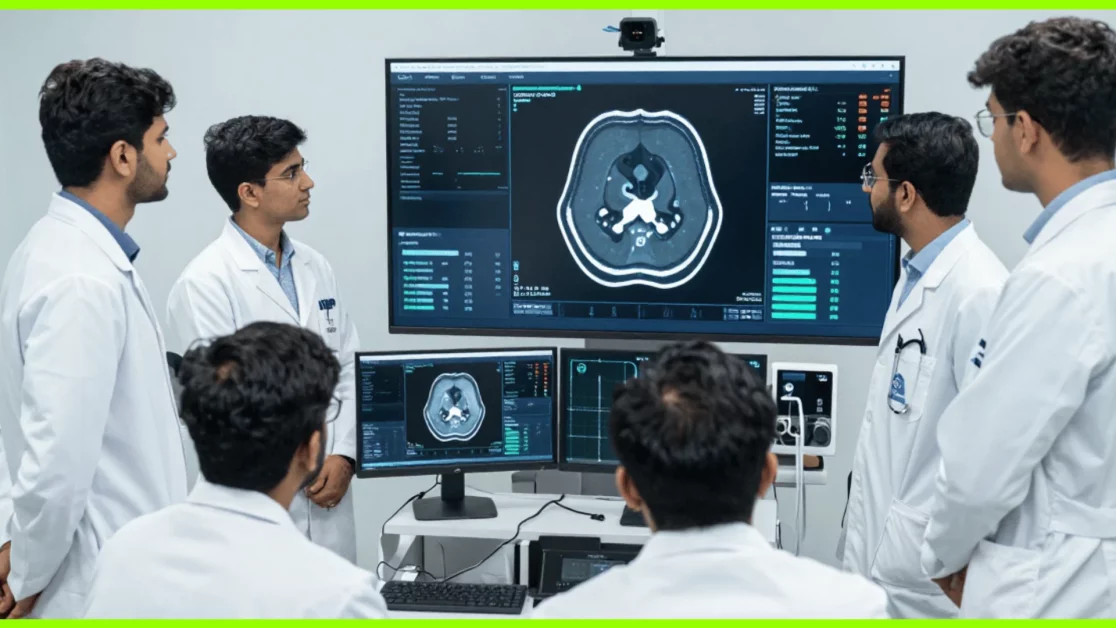
Islamabad Medical and Dental College (IMDC), in collaboration with Shaheed Zulfikar Ali Bhutto Medical University (SZABMU), has launched a clinical artificial intelligence certification programme designed to prepare healthcare professionals for increasingly technology-driven medical environments.
Pakistan’s healthcare education sector is expanding its focus on artificial intelligence with the launch of a new clinical AI certification programme at Islamabad Medical and Dental College (IMDC).
The programme, introduced in collaboration with Shaheed Zulfikar Ali Bhutto Medical University (SZABMU), is designed to equip healthcare professionals with skills in clinical AI and prepare them for the growing use of technology across healthcare and medical education.
The one-month weekend programme has brought together participants from a range of healthcare backgrounds, including medical and dental students, young doctors, nurses, and professionals from allied health sciences.
The programme was formally inaugurated by SZABMU Vice Chancellor Professor Dr Tanwir Khaliq, who highlighted the growing importance of artificial intelligence in modern healthcare. He said AI is becoming an increasingly important part of healthcare education and that the university intends to continue supporting academic initiatives focused on emerging technologies.
The certification is being delivered by faculty from Ulster University in Belfast under the leadership of Assistant Professor Dr Usman Hadi. According to the organisers, the curriculum has been developed around the evolving requirements of healthcare systems in the United Kingdom, United States, and other advanced healthcare environments.
The programme focuses on practical understanding of clinical AI applications, giving participants exposure to the skills needed to work in healthcare settings where artificial intelligence and digital technologies are becoming increasingly integrated.
Yasir Khan Niazi, CEO of GAK HealthCare International Group, said AI has moved beyond being a future concept for healthcare and is increasingly becoming a present-day competency for medical professionals.
The initiative reflects a wider international shift toward developing healthcare workforces that are prepared to work alongside AI-powered technologies. According to the World Health Organization, artificial intelligence can support health systems, improve clinical decision-making, and expand access to quality healthcare when implemented responsibly.
With healthcare systems in countries including the UK and several European nations investing in AI-ready professionals, the new certification programme represents an effort to introduce similar technology-focused training opportunities for Pakistan’s healthcare workforce.