
Punjab Orders Dilapidated Building Survey After Monsoon Season
August 9, 2026
Islamabad Medical College Launches Clinical AI Certification for Healthcare
August 10, 2026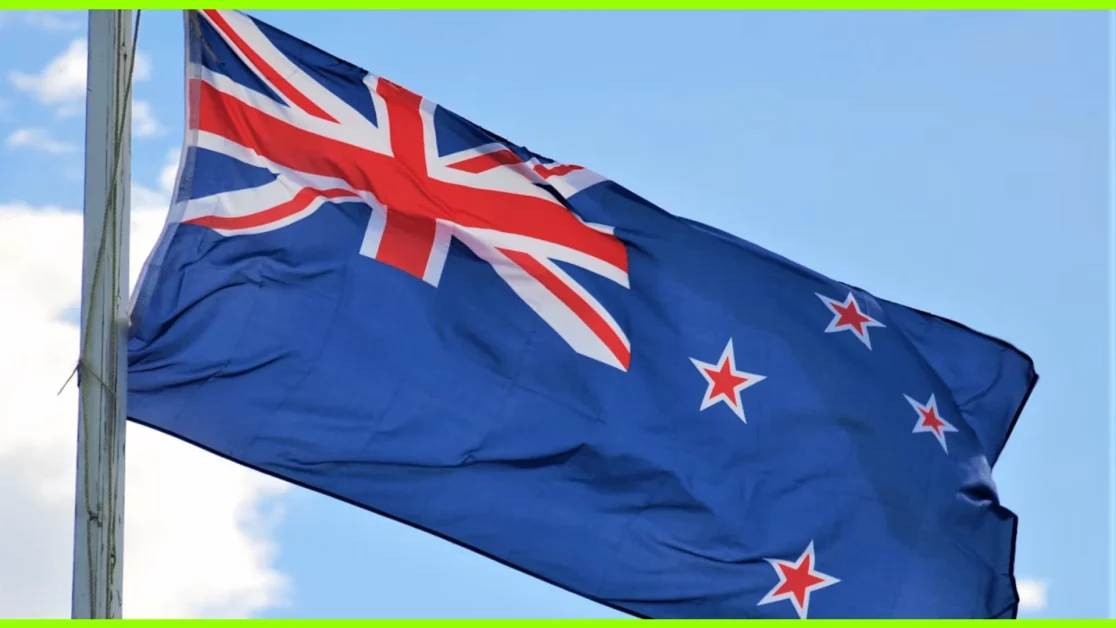
Pakistan and New Zealand signed an Education Cooperation Arrangement in Wellington and held their third Joint Trade Committee meeting, focusing on agriculture, technology, and bilateral investment.
Pakistan’s diplomatic outreach is extending further into the Pacific. The third Pakistan-New Zealand Joint Trade Committee (JTC) meeting and the fifth round of Pakistan-New Zealand Political Consultations were held in Wellington on Thursday, August 7, marking what the Foreign Office described as “a significant step in deepening bilateral engagement between the two countries.”
The headline outcome was the signing of an Education Cooperation Arrangement between the two countries, which is expected to significantly deepen collaboration in the education sector.
The arrangement formalises what has until now been an informal and limited academic relationship, opening the door to structured institutional linkages, student mobility frameworks, and academic research partnerships between Pakistani and New Zealand universities.
At the JTC meeting, Commerce Secretary Jawad Paul Khawaja led the Pakistani delegation, while Grahame Morton, Deputy Secretary of the Americas and Asia Group at New Zealand’s Ministry of Foreign Affairs and Trade, headed the New Zealand side.
Both delegations deliberated on improving market access and enhancing cooperation in sustainable agriculture, including exploring technical collaboration in wool production and plant protection.
Technology, education, and services emerged as the primary sectors of focus for expanding bilateral trade and investment, alongside discussions on institutional mechanisms to further economic cooperation.
The political consultations, co-chaired on the Pakistani side by Additional Foreign Secretary Ambassador Dr Syed Ali Asad Gillani, covered a comprehensive review of bilateral relations and an exchange of views on regional and international developments. Both sides agreed to enhance coordination within multilateral forums.
Pakistan’s broader regional engagements featured prominently in the consultations. Ambassador Gillani briefed the New Zealand delegation on Pakistan’s active diplomatic role in de-escalating tensions in the Middle East, including its involvement in efforts to resolve the Strait of Hormuz standoff.
Morton acknowledged Pakistan’s constructive role in the Middle East peace process. Gillani also raised the situation in India-occupied Kashmir and India’s continued violations of the Indus Waters Treaty, which India unilaterally put in abeyance in late April 2025 following regional hostilities.
The bilateral context underscores the scale of the opportunity. Bilateral trade currently stands at just $12 million, with Pakistan’s major exports being textile products, apparel, rice, leather articles, and sports goods, and imports from New Zealand covering dairy products, wood pulp, edible oil, and electrical machinery.
For a trade corridor between two Commonwealth nations with complementary economic profiles, that figure has long represented a significant underperformance. The discussions in Wellington signal genuine intent to change that.