

Mari Energies Advances Spinwam Gas Commercialisation With New Deal
August 4, 2026
Iran Eyes Expanded Trade Through Karachi, Gwadar Ports
August 5, 2026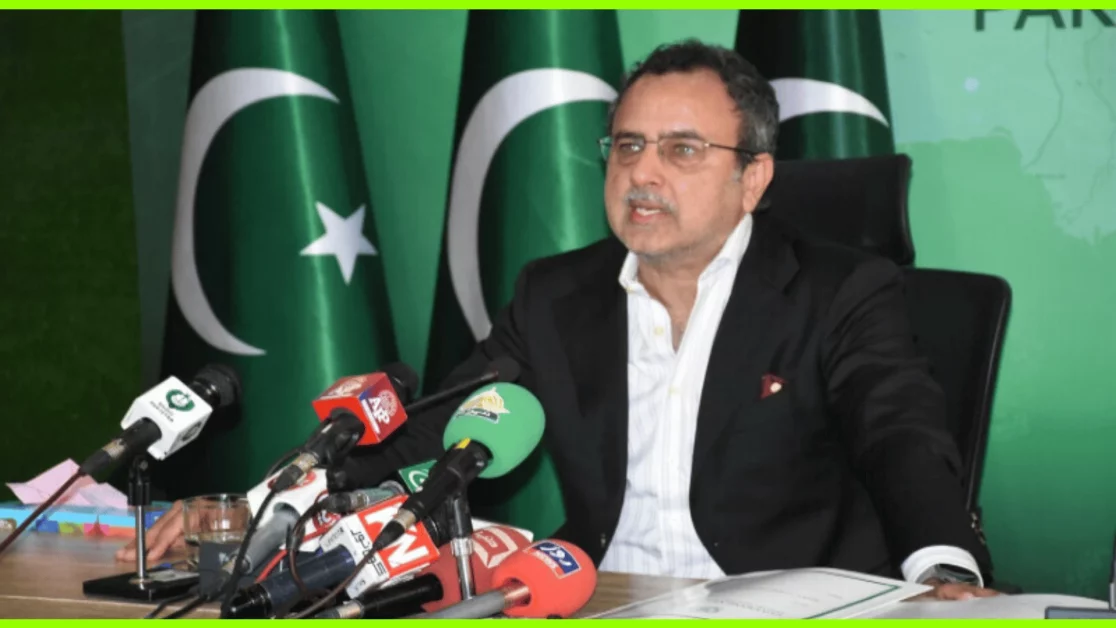
Pakistan plans to increase clean energy to 90% by 2035 through battery storage, renewable energy expansion and local battery manufacturing.
Pakistan is accelerating efforts to strengthen its clean energy transition, with the government aiming to increase the share of green energy in the national power mix to 90% by 2035. The strategy focuses on expanding battery energy storage, promoting local battery manufacturing and increasing the use of renewable energy to improve long-term energy security.
Speaking at the Solar Storage Conference in Islamabad, Federal Minister for Energy Awais Leghari said Pakistan’s energy landscape is shifting from prioritising electricity generation to ensuring efficient storage and utilisation of power. According to the minister, around 55% of the country’s electricity currently comes from green energy sources, including hydropower, nuclear, wind and solar.
Leghari noted that solar adoption has expanded rapidly, with independent estimates placing Pakistan’s installed solar capacity at approximately 38 gigawatts. He said greater reliance on locally generated electricity would reduce exposure to international fuel market volatility and strengthen the country’s energy independence.
A key element of the government’s strategy is the development of a Battery Energy Storage System (BESS) framework. The minister confirmed that the national BESS policy is in its final stages, supported by a National Steering Committee and dedicated technical and regulatory working groups. Pilot battery storage projects have also been approved to help shape future deployment.
The government believes battery storage will address growing grid management challenges created by increasing daytime solar generation and higher electricity demand during evening hours. By storing surplus renewable energy generated during the day, battery systems can help improve grid stability and optimise electricity use.
Leghari also highlighted the disruption in RLNG imports from Qatar earlier this year as an example of the importance of strengthening domestic energy resilience. He said the experience reinforced the need to accelerate investment in battery storage infrastructure to reduce dependence on imported fuels.
The government is also proposing a mechanism that would allow consumers to receive Rs6 per unit for surplus electricity stored during the day and supplied during peak demand periods. While discussions with the International Monetary Fund (iMF) on the proposal are ongoing, the government has indicated it will continue pursuing the initiative.
The clean energy strategy forms part of Pakistan’s broader efforts to strengthen energy security, expand renewable energy adoption and reduce vulnerability to external fuel supply disruptions.