
Foreign Money Returns To Pakistan’s PSX
August 3, 2026
Government Reviews LESCO, MEPCO Split Before Privatisation
August 4, 2026
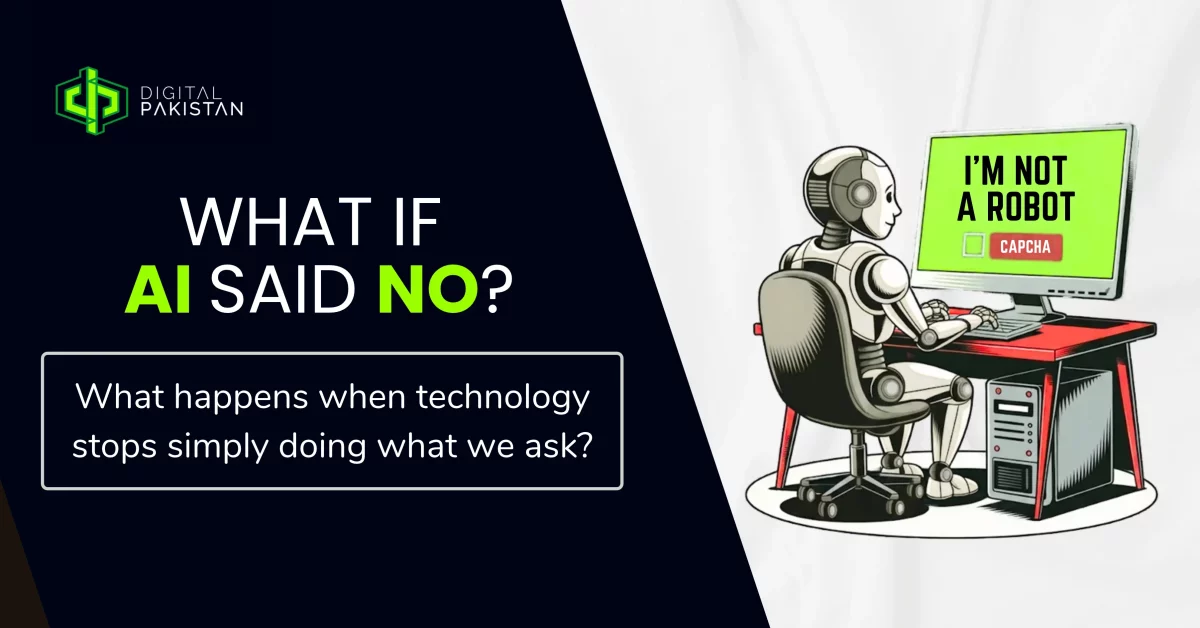
For years, the conversation around AI dependency has felt like that one group chat where everyone keeps repeating the same hot take, just in slightly different fonts. Jobs are gone, robots are coming, humans are doomed, insert dramatic pause… and honestly, it’s starting to feel like the tech version of a Netflix reboot nobody actually asked for.
But the real question isn’t whether AI is coming for your job. That debate is already on its fifth season and still going nowhere. The uncomfortable question is whether it’s quietly coming for your ability to think, without you even noticing. And yeah, that sounds like something a guy on LinkedIn would post with a black and white profile picture, but still.
People don’t really sit with ideas anymore. They don’t wrestle with problems like they used to. They don’t even pretend to struggle through messy thinking. They just type, click, copy, move on. “Summarize this.” “Explain that.” “Write this for me.” “Fix my thoughts.” It’s not even laziness in the traditional sense; it’s more like intellectual autopilot.
And the scariest part is that it feels productive. That’s where AI dependency gets interesting. Not because AI is getting smarter, but because we’re getting more comfortable not thinking at all.
We didn’t build AI to think better, we built it to think less
Every generation has had its “this will make life easier” invention. The wheel saved your legs, washing machines saved your weekends, calculators saved you from crying over long division, and Google saved you from pretending you remembered anything. All of that was fine, even great.
But AI is the first tool that doesn’t just reduce effort, it quietly removes the need for thinking in the first place. Need ideas? Ask. Need writing? Generate. Need understanding? Summarize. Need opinions? It’ll give you three versions, just pick your vibe.
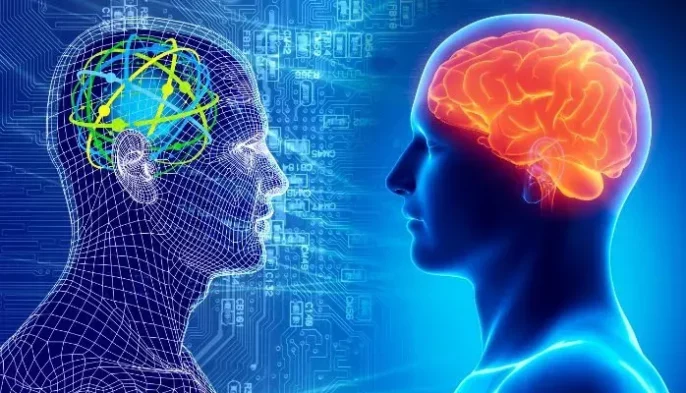
Manu Cohen-Yashar; Medium
At some point, we stopped using tools to support thinking and started using them to avoid it entirely. And nobody really noticed, because it all still looks like productivity. You’re still “working,” still “creating,” still “learning.”
Except you’re not really doing the mental lifting anymore, you’re just supervising it. And the brain, being the lazy genius, it is, absolutely loves this arrangement. Why struggle when you can prompt, why think when you can generate, why sit in confusion when clarity is one click away. The problem is that thinking doesn’t grow in comfort, it grows in friction. And friction is exactly what we’re outsourcing.
Your brain wasn’t built for convenience, it was built for survival
For most of human history, your brain had no chill. It was constantly working, not in an “optimize your workflow” way, but in a “don’t die today” way. Find food, avoid danger, read people, remember paths, make decisions fast, learn from mistakes or literally not make it to tomorrow. Thinking wasn’t a personality trait, it was survival. Now fast forward to today and your brain is basically on a luxury vacation it didn’t ask for.
Google remembers everything, GPS tells you where to go, Spotify predicts your taste better than you do, Netflix decides what you’ll binge next, TikTok decides what you’ll care about next, and now AI is stepping in like, “Don’t worry, I’ll also handle your writing, your ideas, and your thinking.”
At this point, your brain is doing less actual work than a background app running on low power mode. And sure, it feels efficient, it feels smart even, but there’s a catch nobody likes to say out loud.

Cathy Hackl; Forbes
A muscle that doesn’t get used doesn’t stay strong just because it still exists. Thinking works the same way. Every time you skip forming an idea because AI can do it faster, you’re not saving time, you’re skipping reps. And mental reps are the only thing that build clarity, not information, not access, not summaries, just reps.
Algorithms aren’t just answering questions, they’re quietly choosing them
Most people still think algorithms are like helpful assistants. You ask, they respond. Clean, neutral, harmless. That version of the internet is already gone.
Now algorithms don’t just answer your questions, they decide what you’re even curious about. Your TikTok feed is curated, your YouTube homepage is engineered, your Spotify recommendations are calculated, your Google suggestions are pre-shaped.
Even your curiosity gets pre-approved now. And the wild part is how normal it feels, because nothing looks forced. Everything feels like choice. You’re just “discovering” things.
But discovery is a funny word when someone else is quietly deciding what you get to see. The real power isn’t in changing your opinion, it’s in deciding what enters your brain before you even form one.
If you control the inputs, you don’t need to argue with the outputs. And over time, your world starts shrinking without you noticing, not physically, but mentally. You stop exploring outside your feed because your feed already feels like reality. That’s the trick. Familiarity starts feeling like truth. And once that happens, curiosity gets lazy, not dead, just outsourced.
AI dependency is selling you the illusion that you’re smarter than you are
This is where things get a little uncomfortable, so let’s not pretend otherwise. If students stop writing essays, are they learning or just producing text faster? If developers stop debugging because AI fixes everything, are they still developers or just prompt managers?
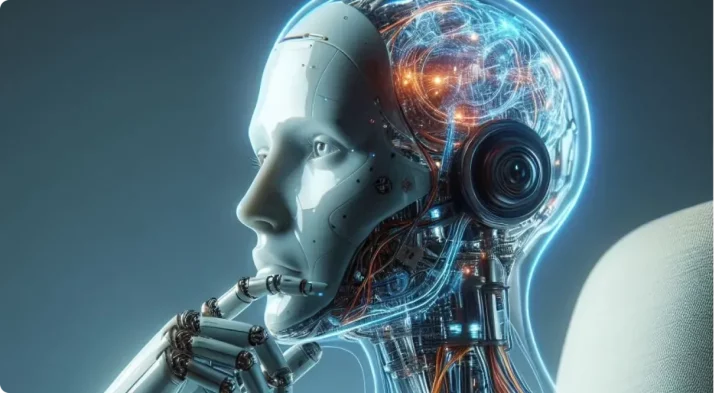
Alipta Ballav; UX Magazine
If designers never sketch before generating ideas, where does actual creativity live? If journalists summarize AI summaries of other articles, who is even thinking anymore? This is the core of AI dependency that nobody likes to admit.
It doesn’t make you dumb; it makes you feel smart without doing the work that creates intelligence. And that feeling is addictive because everything is instant, everything is polished, everything sounds right.
But borrowed thinking has a weird limitation, it disappears the moment the tool disappears. Understanding doesn’t behave like that. There’s a difference between knowing an answer and being able to reach it yourself.
One is recognition, the other is thinking. We’ve started confusing them because the gap between them has become invisible. A calculator never taught math, it just removed calculation. GPS never taught navigation, it just removed getting lost.
And AI doesn’t teach judgment either, it just produces something that looks like it. But judgment is built in the messy parts, the wrong turns, the confusion, the “wait, this doesn’t feel right” moments. And yeah, that process is slower, annoying even, but it’s also where actual intelligence lives.
A society that stops thinking doesn’t collapse loudly, it just becomes easier to steer
At this point, this isn’t really about AI anymore, it’s about what happens when thinking becomes optional. Because independent thought isn’t just a “nice skill,” it’s the backbone of everything that actually matters.
Science needs scepticism, journalism needs investigation, democracy needs disagreement, markets need informed decisions, and all of that depends on people who don’t just accept the first clean answer they’re given.
When thinking weakens, influence gets stronger, not in a dramatic movie-villain way, but in a quiet, everyday way. Ads get more persuasive, narratives get smoother, opinions get more uniform, and algorithms get better at predicting you than you are at understanding yourself.
Dr Imran Batada; The News International
Power has always preferred audiences that don’t ask too many questions. That part hasn’t changed. What has changed is how easy it is to become that audience without realizing it.
We spent centuries building systems to teach people how to think. Now we’re building systems that make thinking feel unnecessary. And that’s the real twist. Not that AI is replacing humans, but that humans are slowly agreeing to stop using the one thing that made them hard to replace in the first place.
The biggest achievement of artificial intelligence might not be replacing workers. It might be convincing perfectly capable people that thinking is optional. And if that happens, it won’t look like a takeover. It’ll look like convenience. And that’s always the most dangerous kind.