
Europe Fights Back as US Chip War Threatens ASML’s Future
June 28, 2026
Google Limits Meta’s Access to Gemini Over Compute Shortfall
June 29, 2026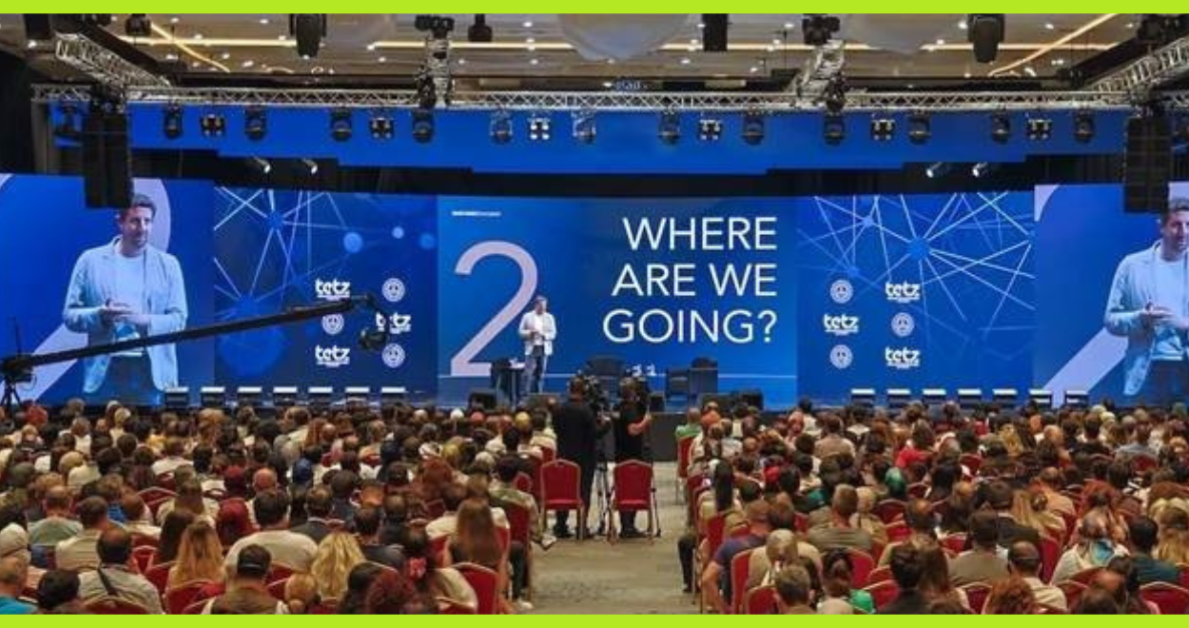
Pakistan has proposed the creation of a joint scientific working group with Iran to expand collaboration in research, higher education, and emerging technologies. The proposal was presented during the 7th Turkey Educational Technologies Summit (TETZ 2026) and reflects both countries’ interest in building stronger academic partnerships, promoting student exchanges, and sharing expertise in key development sectors.
Pakistan and Iran are exploring new avenues for scientific and academic collaboration as both countries seek to deepen cooperation in research, education, and technology.
During the 7th Turkey Educational Technologies Summit (TETZ 2026) in Istanbul, Pakistan’s Minister of State for Federal Education and Professional Training, Wajiha Qamar, met with Iran’s Minister of Science, Research, and Technology, Hossein Simaei-Sarraf, and proposed the establishment of a joint scientific working group to coordinate future initiatives.
The proposal aims to create a structured platform for expanding cooperation between universities, researchers, and government institutions while encouraging greater knowledge exchange in areas of mutual interest.
Qamar highlighted the long-standing cultural, historical, and educational ties between Pakistan and Iran, emphasizing that these shared connections provide a strong foundation for deeper collaboration. She noted that Pakistan is particularly interested in learning from Iran’s experience in vocational skills development, agricultural research, construction technologies, and industrial production.
She also praised Iran’s recent scientific achievements, describing them as an inspiration for many developing countries, and stressed the importance of utilizing the strengths of both nations to advance regional cooperation in education and innovation.
Iranian Science Minister Hossein Simaei-Sarraf welcomed stronger academic engagement, observing that existing scientific and technological cooperation has yet to reach its full potential. He proposed expanding institutional partnerships by establishing Persian language programs in Pakistan and Urdu language programs in Iran to strengthen educational and cultural exchanges.
The minister also announced that Iran’s Sistan-Baluchestan University is prepared to welcome more Pakistani students, creating additional opportunities for higher education and cross-border academic collaboration.
Addressing the summit, Simaei-Sarraf highlighted Iran’s scientific progress despite international sanctions. He pointed to the country’s achievements in research, advanced materials, cognitive sciences, and higher education, while emphasizing that continued investment in universities and modern technologies remains a national priority.
He also discussed the growing role of artificial intelligence in education, noting that responsible adoption of AI requires transparency, accountability, data governance, and equal access to learning opportunities. He stressed that international cooperation and the exchange of expertise will play a critical role in developing smart education systems capable of meeting future global challenges.
The discussions at TETZ 2026 reflect a broader commitment by both Pakistan and Iran to strengthen regional academic partnerships, encourage innovation, and promote collaborative research in an increasingly technology-driven world.